Introduction
In recent years, THC oil has become a topic of intense discussion and debate in India. As a cannabis-derived product, it sits at the intersection of traditional cultural practices, modern medical research, and complex legal frameworks. This comprehensive exploration delves into the nuanced landscape of THC oil in India, examining its legal status, medical applications, and the evolving regulatory environment.
What is THC Oil?
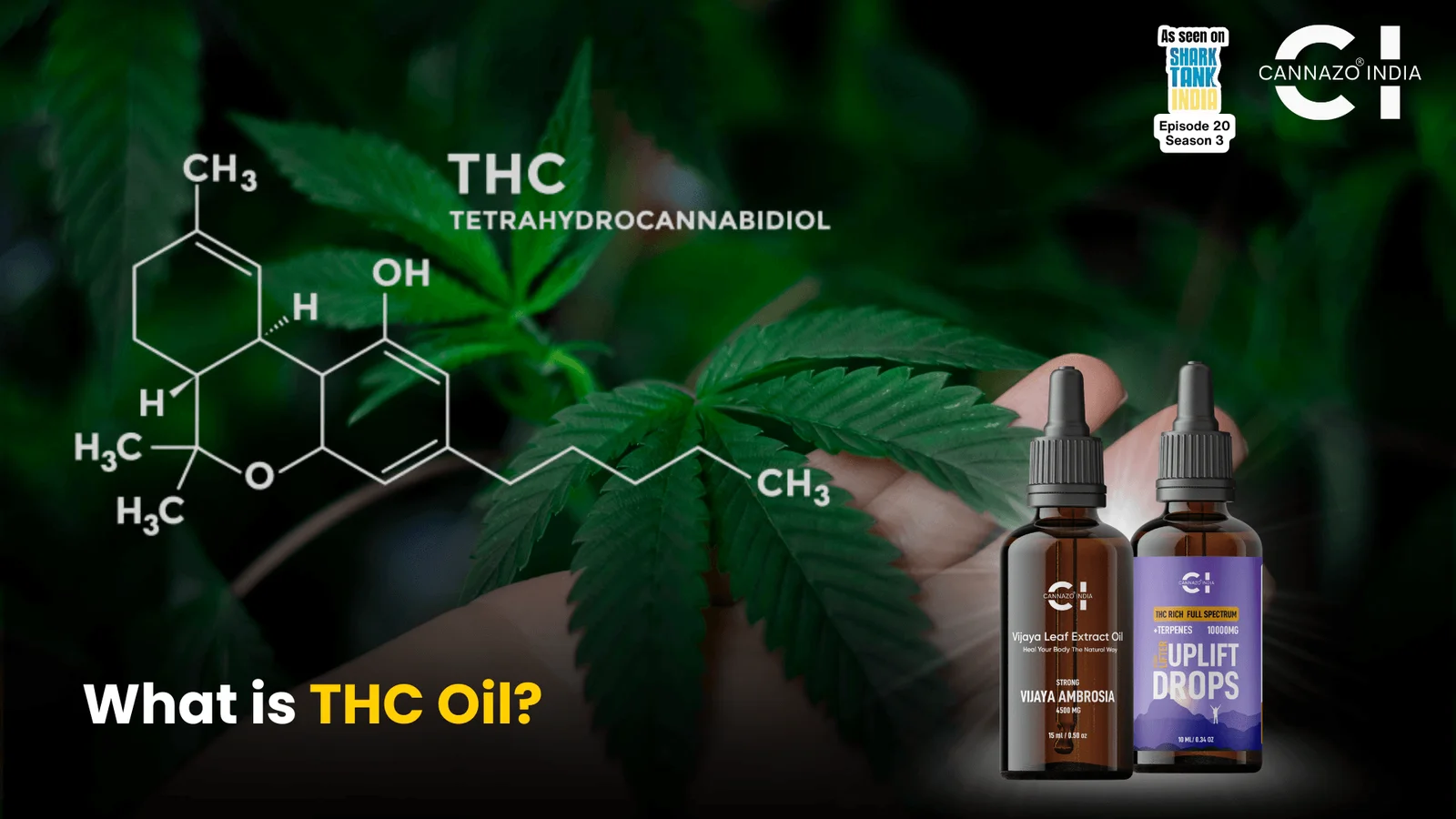
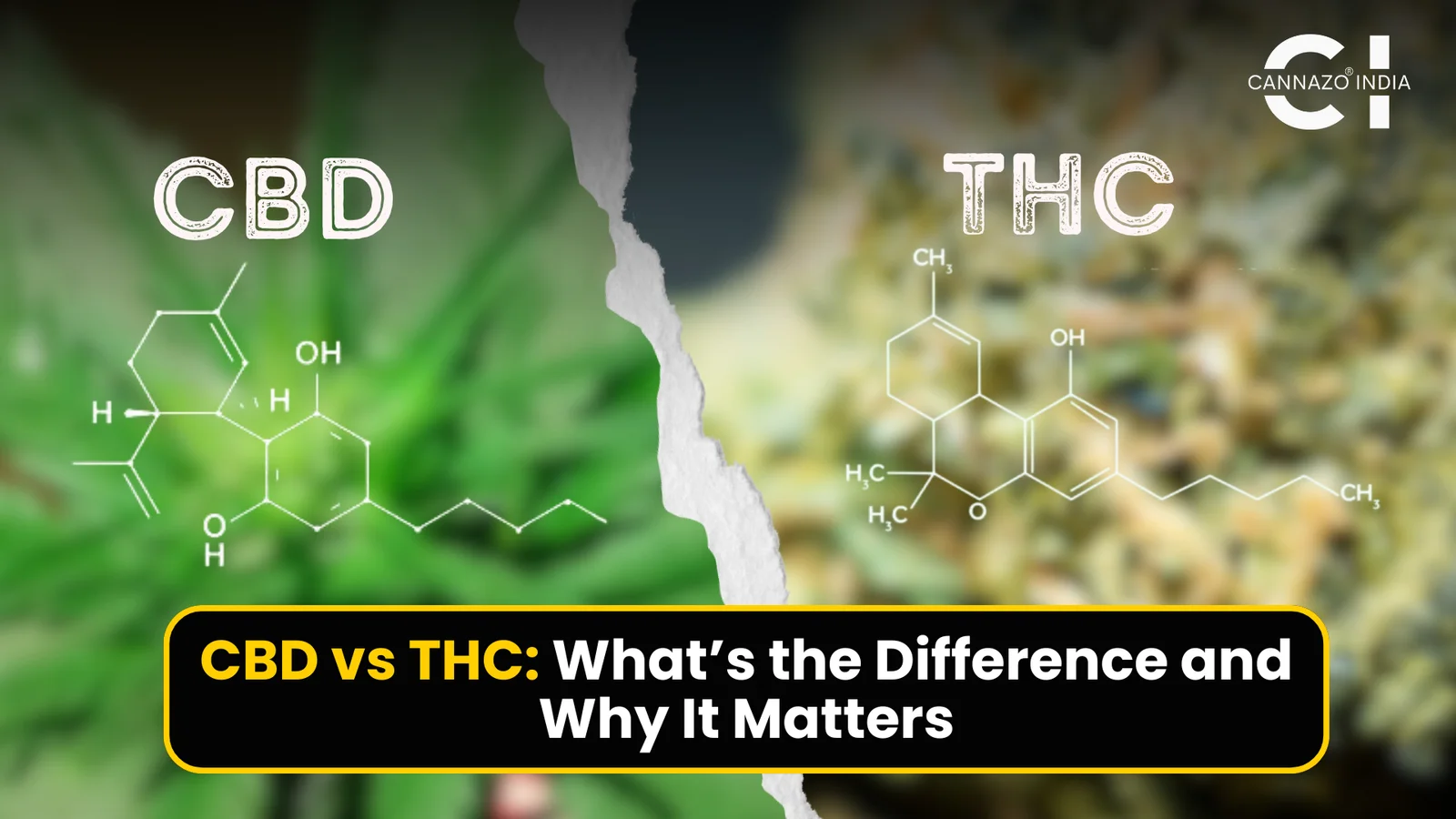
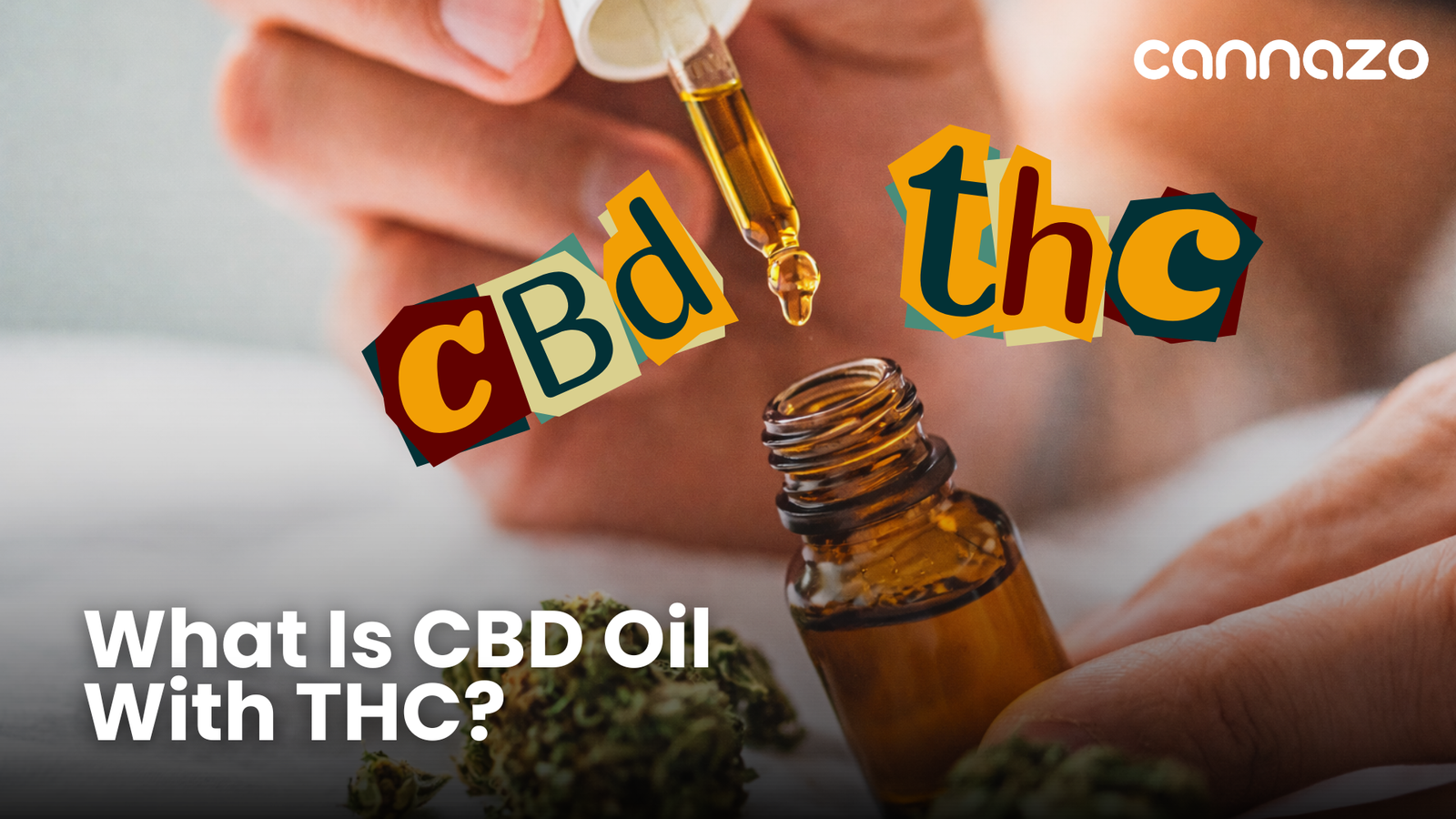
THC oil, short for tetrahydrocannabinol oil, is a concentrated extract derived from the cannabis plant. It contains high levels of THC, the primary psychoactive compound found in cannabis. This potent substance is known for its ability to produce a “high” and has been used for both recreational and medicinal purposes throughout history. [1]
Composition and Extraction
THC oil is typically extracted using solvents like CO2 or ethanol, which separate the cannabinoids and terpenes from the plant material. The resulting product is a highly concentrated form of cannabis that can contain up to 90% THC, depending on the extraction method and source plant.
Forms and Consumption Methods
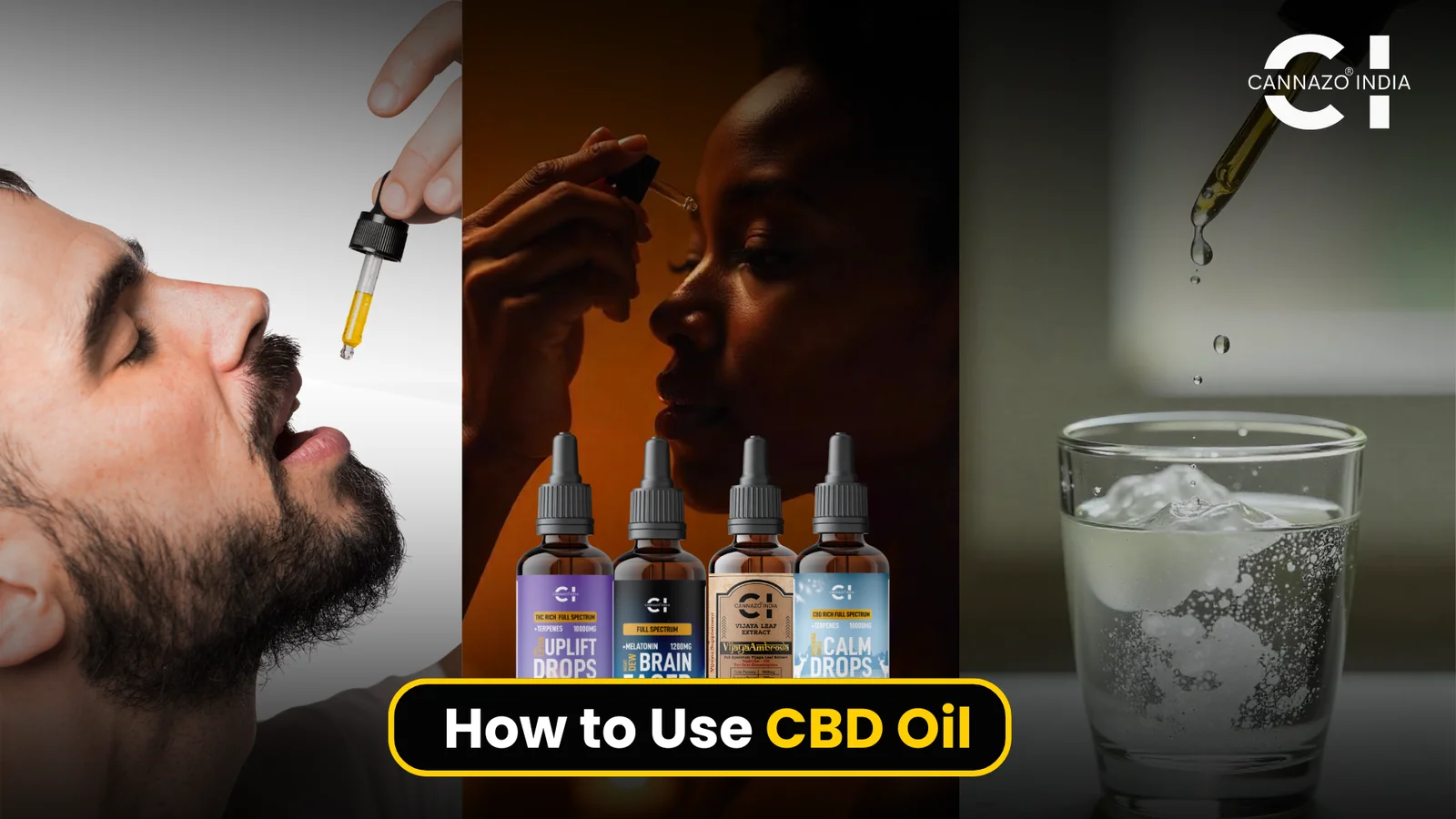
THC oil comes in various forms, including:
- Liquid oils for oral consumption or vaporization
- Capsules for oral ingestion
- Tinctures for sublingual administration
- Topical creams and balms for external use
- Each form has its own onset time, duration of effects, and potential medical applications.
Potential Medical Benefits
While research is ongoing, THC oil has been associated with several potential medical benefits:
- Pain relief, particularly for chronic conditions
- Reduction of nausea and vomiting, especially in cancer patients undergoing chemotherapy
- Improvement in sleep quality for those with conditions like sleep apnea
- Alleviation of symptoms associated with multiple sclerosis
- Potential neuroprotective effects in neurodegenerative diseases
The Legal Landscape of THC in India
India’s relationship with cannabis is complex, rooted in centuries of cultural and religious use. However, modern legal frameworks have created a challenging environment for THC oil and other cannabis-derived products.
Historical Context
Cannabis has been used in India for thousands of years, particularly in religious contexts and traditional medicine. The plant is mentioned in ancient texts and has been a part of Ayurvedic practices for centuries. This historical use has influenced modern attitudes and regulations.
The NDPS Act of 1985
The primary legislation governing cannabis and its derivatives in India is the Narcotic Drugs and Psychotropic Substances (NDPS) Act of 1985. This act categorizes cannabis as a narcotic drug and prohibits its cultivation, possession, sale, and consumption. However, the act makes important distinctions:
- It excludes the leaves and seeds of the cannabis plant from the definition of cannabis
- It allows for the medical and scientific use of narcotic drugs under strict regulation[2],[3],[4]
State-Level Variations
While the NDPS Act provides a national framework, individual states have some discretion in its implementation. This has led to variations in enforcement and interpretation across different regions of India.
Bhang: A Cultural Exception
Bhang, a traditional preparation made from cannabis leaves, occupies a unique legal position. It is exempt from the NDPS Act in many states due to its cultural and religious significance, particularly during festivals like Holi.[2],[3]
Can You Legally Buy THC Oil in India?
The legal status of THC oil in India is nuanced and depends on several factors:
Medical Use
THC oil can be legally obtained for medical purposes under specific conditions:
- It must be prescribed by a registered medical practitioner
- The product must be approved by regulatory bodies like the Ministry of Ayush or the Central Drugs Standard Control Organization (CDSCO)
- It must comply with the Drugs and Cosmetics Act [2],[4],[5]
THC Content Restrictions
The legal threshold for THC content in cannabis products is generally set at 0.3%. Products exceeding this limit are subject to stricter regulations and may only be available with a medical prescription.[2],[3]
Ayurvedic Classification
Some THC oils are classified as proprietary Ayurvedic medicines. These products can be legally sold by licensed vendors but are still subject to regulatory oversight.[2],[3]
Recreational Use
It’s important to note that recreational use of THC oil remains illegal throughout India. Possession or use without proper medical authorization can result in severe legal consequences.[2],[3]
THC Oil for Medical Use: What’s Allowed?
The medical use of THC oil in India is an evolving field, with increasing recognition of its potential therapeutic benefits.
Approved Medical Conditions
While there isn’t an exhaustive list of approved conditions, THC oil may be prescribed for:
- Chronic pain management
- Anxiety and depression
- Epilepsy and seizure disorders
- Cancer-related symptoms
- Neurodegenerative diseases
- Prescription and Dosage
Medical use of THC oil requires:
- A thorough evaluation by a qualified healthcare professional
- A valid prescription specifying dosage and duration of use
- Regular follow-ups to assess efficacy and potential side effects
Licensed Products
Several cannabis-derived products, including THC oils, have received approval for medical use in India. These often combine THC with CBD (cannabidiol) to create full-spectrum formulations.
State-Level Initiatives
Some Indian states have taken proactive steps to facilitate medical cannabis research and use. For example, Uttarakhand has permitted hemp cultivation for medical and industrial purposes under controlled conditions.
How to Buy THC Oil Legally in India
For those seeking to purchase THC oil legally in India, the process involves several crucial steps:
- Medical Consultation: The first step is to consult a registered medical practitioner who is knowledgeable about cannabis-based treatments. They will assess your condition and determine if THC oil is an appropriate treatment option.
- Obtaining a Prescription: If THC oil is deemed suitable, the doctor will provide a detailed prescription. This prescription is a legal requirement for purchasing THC oil and must include specifics about dosage and duration of use.
- Finding Licensed Vendors: THC oil should only be purchased from authorized sellers who have been approved by regulatory bodies like the Ministry of Ayush. These vendors are required to maintain strict quality control and documentation.
- Verifying Product Compliance: Before making a purchase, ensure that the THC oil product complies with legal standards. This includes checking the THC content (which should be below 0.3% unless otherwise prescribed) and verifying that the product has the necessary regulatory approvals.
- Understanding Usage Guidelines: When purchasing THC oil, make sure to thoroughly understand the usage instructions provided by your doctor and the product manufacturer. This includes information on dosage, administration method, and potential side effects.
- Maintaining Documentation: Keep all relevant documentation, including your prescription and purchase receipts. This is crucial for legal compliance and may be necessary for future medical consultations.
- Regular Follow-ups: Schedule regular follow-up appointments with your healthcare provider to monitor the effectiveness of the treatment and make any necessary adjustments.
Future of THC Oil in India
The future of THC oil in India is a subject of ongoing debate and potential change. Several factors are shaping its trajectory:
Growing Medical Research
Increased global research into the medical applications of cannabis is influencing attitudes in India. As more scientific evidence emerges supporting the therapeutic potential of THC and other cannabinoids, there may be greater pressure to expand access to these treatments.
Economic Considerations
The global cannabis market is experiencing rapid growth, and India, with its history of cannabis cultivation and use, could potentially benefit from this trend. Some experts argue that regulated legalization could create new economic opportunities and tax revenues.
Changing Social Attitudes
There’s a gradual shift in public perception regarding cannabis and its derivatives. As more people become aware of the potential medical benefits, there may be increased support for reform of current laws.
Regulatory Challenges
Despite growing interest, significant regulatory hurdles remain. Balancing medical access with concerns about misuse and addiction will be crucial in shaping future policies.
International Influences
As other countries reform their cannabis laws, India may feel pressure to reassess its own stance. However, any changes are likely to be gradual and tailored to India’s unique cultural and social context.
Potential for Policy Reform
There have been discussions about potential reforms to India’s cannabis laws. These could include:
- Clearer distinctions between medical and recreational use
- Expanded research initiatives into cannabis-based medicines
- More comprehensive regulations for cultivation, production, and distribution of cannabis products
Conclusion
The legal status of THC oil in India reflects a complex interplay of historical, cultural, and regulatory factors. While strictly controlled, there are legal pathways for medical use of THC oil, subject to proper prescription and regulatory compliance. As research progresses and attitudes evolve, the landscape for THC oil in India may continue to change.
For individuals considering THC oil as a treatment option, it’s crucial to navigate this complex terrain carefully. Always consult with qualified healthcare professionals, adhere strictly to legal guidelines, and stay informed about the latest regulatory developments. The future of THC oil in India holds both promise and challenges, and its trajectory will likely be shaped by ongoing scientific research, changing social attitudes, and careful policy considerations.
Referenecs
- Hash oil. (2023, May 26). Wikipedia. https://en.wikipedia.org/wiki/Hash_oil
- Is Cannabis Legal in India? Laws in 2025. (2025, March 2). Eleven THC. https://www.eleventhc.com/en/blogs/legislation-du-cannabis-dans-le-monde/le-cannabis-est-il-legal-en-inde-les-lois-en-2025
- PTI. (2022, January 10). No complete ban on cannabis, medical use allowed, Centre tells Delhi High Court. The Economic Times; Economic Times. https://economictimes.com/news/india/no-complete-ban-on-cannabis-medical-use-allowed-centre-tells-delhi-high-court/articleshow/88817782.cms
- Hempstrol. (2023, September 28). Understanding THC Oil: Legal Implications and Usage in India. Hempstrol.com; Hempstrol. https://www.hempstrol.com/cbd-blog-india/understanding-thc-oil-legal-implications-and-usage-in-india
- Hempstrol. (2021). Hempstrol.com. https://www.hempstrol.com/thc-oil-super-balanced