Introduction
The liver is the body’s main detox, metabolism, and fat-processing hub, so any supplement that is metabolised there, like CBD, naturally raises questions about safety. At the same time, hemp seed oil has entered the Indian wellness and food market as a “heart and liver-friendly” fat, creating confusion between CBD oil and hemp oil.
In India, where non-alcoholic fatty liver disease (NAFLD), obesity, and metabolic syndrome are rising, many people are exploring plant-based tools such as CBD and hemp seed oil to support liver health, but this must be done with clear knowledge of benefits, risks, and legal status. [1]
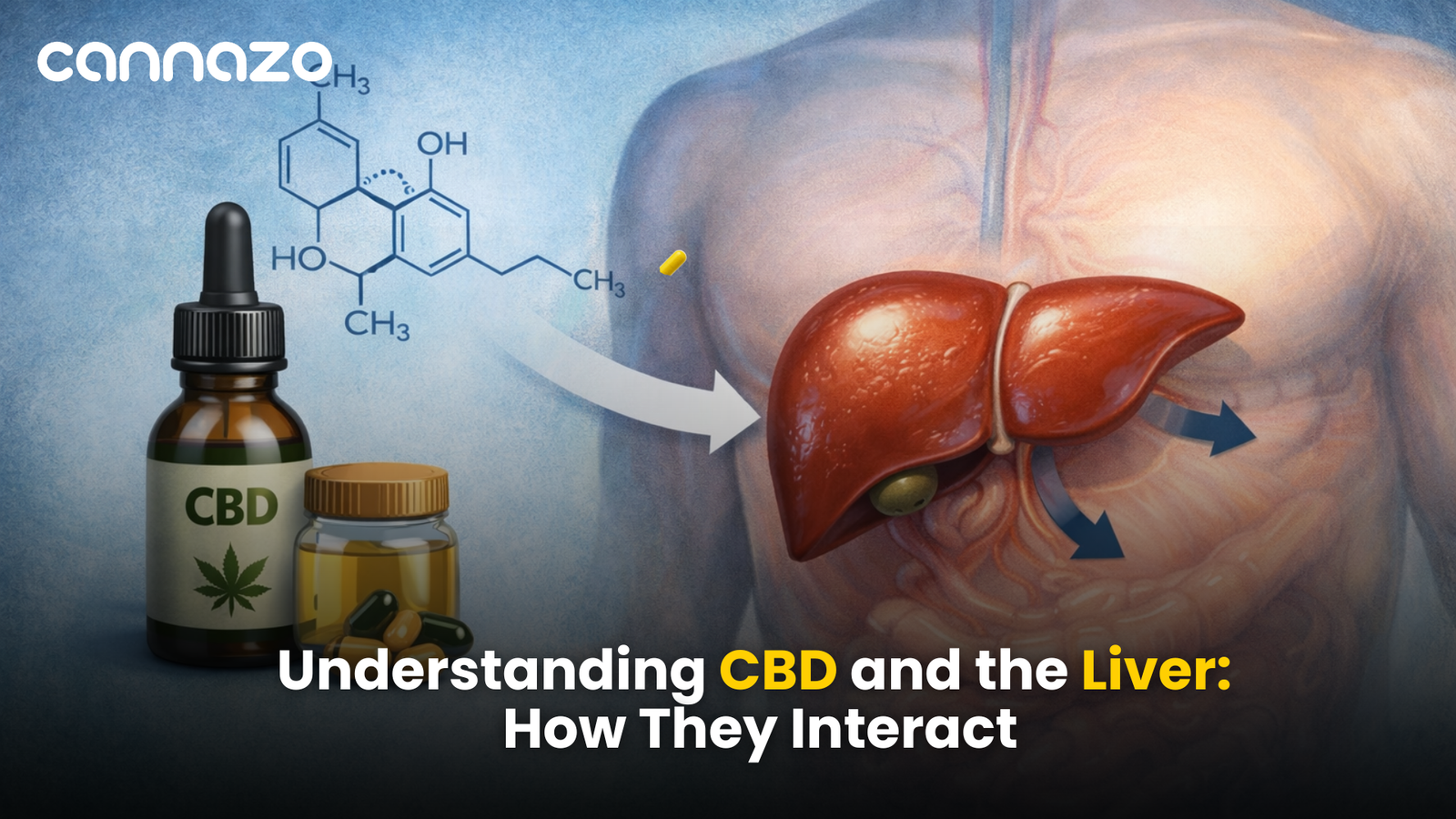
Understanding CBD and the liver
CBD (cannabidiol) is a non-intoxicating compound mainly metabolised in the liver through cytochrome P450 enzymes, the same system that handles many prescription drugs. During this process, CBD and its metabolites can temporarily increase liver enzyme levels (ALT, AST), which are markers of liver cell stress or injury.
At low–moderate doses (often below 50–100 mg/day), many human studies have not seen serious liver injury, but higher doses or long-term use, especially with other hepatotoxic medicines, can increase the risk of enzyme elevations. This is why prescription CBD products globally carry warnings about monitoring liver function tests (LFTs), particularly in people with pre-existing liver disease or those on drugs like valproate.[1],[2]
What research says: CBD’s effects on liver function
Recent randomized clinical trials in healthy adults taking CBD around 5 mg/kg/day (roughly 300–400 mg daily for many adults) for 28 days found that about 5–6% developed liver enzyme elevations over three times the upper limit of normal. These participants did not develop symptoms of liver failure, and their enzymes typically returned toward normal after stopping CBD, but the signal is strong enough to consider CBD capable of causing dose-related liver stress in some users.
Other analyses of prescription CBD for epilepsy (with doses up to 25 mg/kg/day) also show a higher rate of liver enzyme abnormalities, especially when combined with other anticonvulsants, prompting routine LFT monitoring in those patients. At the same time, population and experimental studies suggest cannabinoids may have protective effects against fatty liver, creating a complex picture of potential benefit and risk depending on dose, context, and liver status.[2],[3]
Ways CBD may support liver health
Reduces inflammation
CBD interacts with endocannabinoid and related receptor systems that modulate inflammation, including CB2 and non-cannabinoid targets involved in immune signalling. In preclinical models of liver disease, CBD has been shown to reduce inflammatory cytokines and dampen inflammatory cell infiltration in the liver, which may help slow progression from simple fatty liver to steatohepatitis.
For Indian users dealing with metabolic inflammation (NAFLD, obesity-related inflammation), this anti-inflammatory profile is one reason CBD is being explored as an adjunct to diet, exercise, and standard medical care rather than as a standalone cure.[3]
Antioxidant properties
CBD also shows antioxidant effects, helping neutralise reactive oxygen species that drive oxidative stress, a key driver of liver cell damage in both alcoholic and non-alcoholic fatty liver disease. In animal studies, CBD has reduced markers of oxidative stress and improved liver histology when the liver is exposed to high-fat diets or alcohol.
Oxidative stress is also linked to fibrosis and longer-term liver damage, so antioxidants like CBD could theoretically slow disease progression, but robust human trials on CBD specifically for NAFLD or NASH are still lacking. [3]
May help with alcohol-induced damage
In mouse models, CBD has helped protect the liver from combined insults of binge alcohol intake plus high-fat, high-cholesterol diets by reducing fat accumulation and oxidative stress. These studies show lower fat in liver tissue, better enzyme profiles, and reduced inflammatory markers in CBD-treated animals compared to controls.
For humans who drink alcohol, this does not mean CBD “cancels out” damage, but suggests a possible future role as an adjunct therapy under medical supervision, especially when combined with alcohol reduction, nutrition support, and standard hepatology care.[3]
Supports metabolic health
Large population datasets suggest that cannabis users have lower rates of non-alcoholic fatty liver disease compared with non-users, even after adjusting for obesity and diabetes, possibly due to effects on metabolic inflammation and insulin sensitivity. One study analysing millions of individuals found significantly lower NAFLD rates among both dependent and non-dependent cannabis users, with CBD proposed as one of the protective components.
Because metabolic syndrome and NAFLD are highly prevalent in urban India, these early signals are important, but they should not be over-interpreted as a direct prescription for CBD use without proper clinical trials in Indian populations. [3]
Potential role in fibrosis
Experimental work indicates cannabinoids can influence pathways involved in hepatic stellate cell activation, which drives fibrosis and scarring. Some data suggest CBD may attenuate fibrotic signalling in cell and animal models, potentially slowing the shift from fatty liver to fibrotic liver disease.[3]
Red flags: when CBD can harm the liver
CBD is not universally “liver-friendly”; certain situations clearly increase risk:
- High doses: Doses in the 300–1000 mg/day range used in some studies are more strongly associated with ALT/AST elevations and potential drug-induced liver injury, even in healthy adults.
- Pre-existing liver disease: People with cirrhosis, hepatitis, or elevated baseline LFTs may have reduced capacity to metabolise CBD, increasing exposure and risk; product labels for prescription CBD therefore recommend baseline and ongoing LFT monitoring.
- Drug interactions: CBD can inhibit liver enzymes that metabolise many drugs (e.g., some antiepileptics, anticoagulants, psychotropics), which may both raise drug levels and worsen liver strain.
- Case series and clinical guidance emphasise that anyone with chronic liver disease or on hepatotoxic medications should only use CBD with specialist supervision, regular LFT checks, and conservative dosing. [4]
Safe CBD use in India – liver-friendly tips
CBD oils in India and Vijaya-based preparations usually fall under AYUSH or state drug authority oversight as medicinal cannabis products, while hemp seed oil foods are governed by FSSAI. FSSAI now recognises hemp seed oil, flour, and protein as foods but restricts residual CBD levels to a maximum of 75 mg/kg in these products, and explicitly disallows CBD extracts as general foods.
Practical liver-friendly tips for Indian consumers include:
- Start low, go slow: Begin at the lowest workable dose recommended by your prescribing doctor or brand (often under 20–30 mg/day CBD equivalent) and titrate only if well tolerated and needed.
- Check LFTs: If you plan regular CBD use (e.g., daily for pain, anxiety, or sleep), especially with other medicines, request baseline and periodic LFTs (ALT, AST, ALP, bilirubin, GGT) from your physician.
- Use regulated products: Choose prescription-based or properly labelled Indian products that share third-party lab reports showing cannabinoid profile, and confirm they are not sold as regular “foods” if they contain CBD extract.
- Avoid self-prescribing in liver disease: People with fatty liver, hepatitis, cirrhosis, or a history of abnormal LFTs should not add CBD without hepatology or internal medicine consultation.
These precautions are especially important because over-the-counter or imported CBD products might not match their labels, leading to unknowingly high doses and greater liver risk.[4]
CBD vs hemp seed oil for liver – what’s better?
CBD oil and hemp seed oil are often confused but are fundamentally different products for the liver:
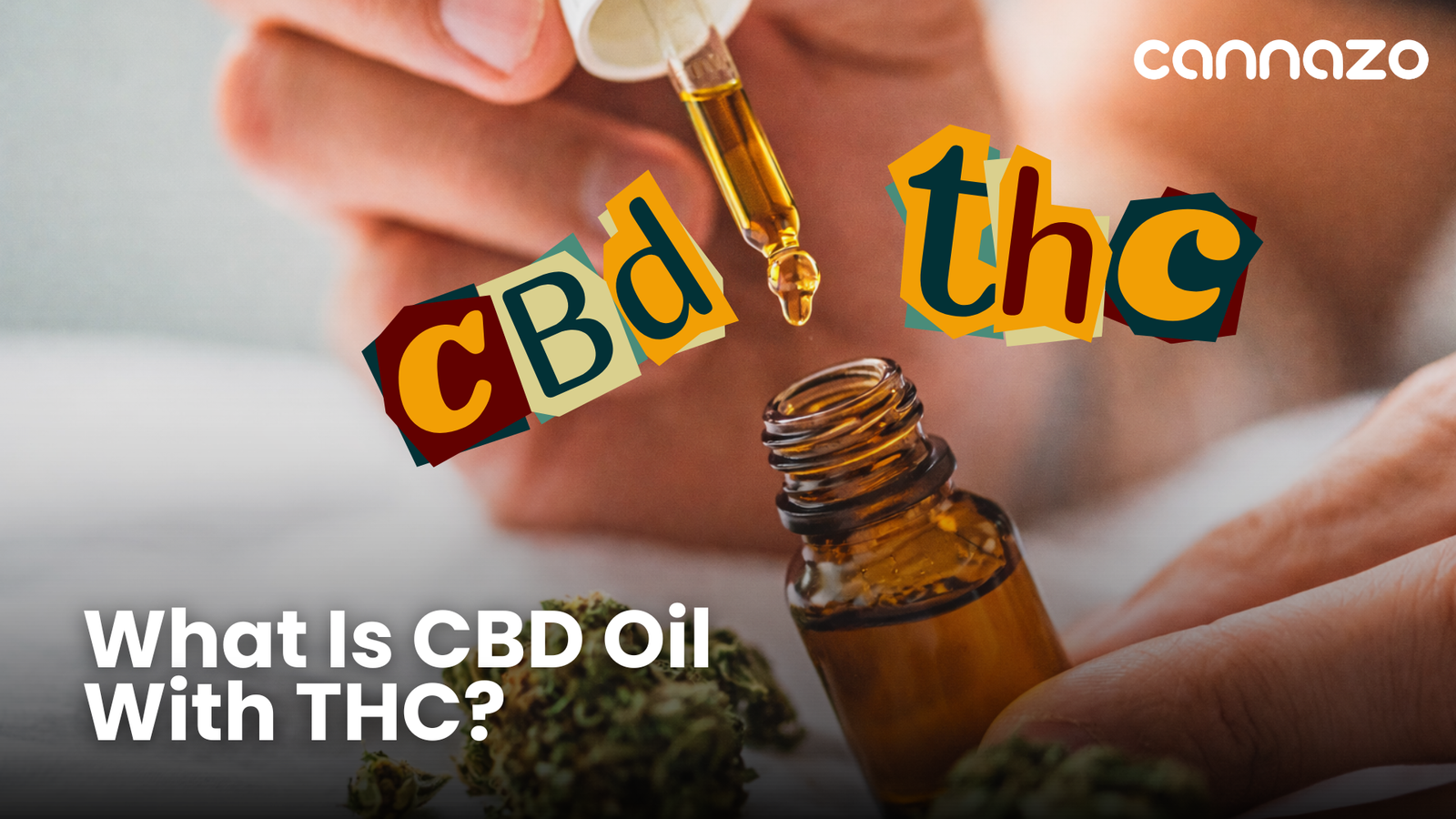
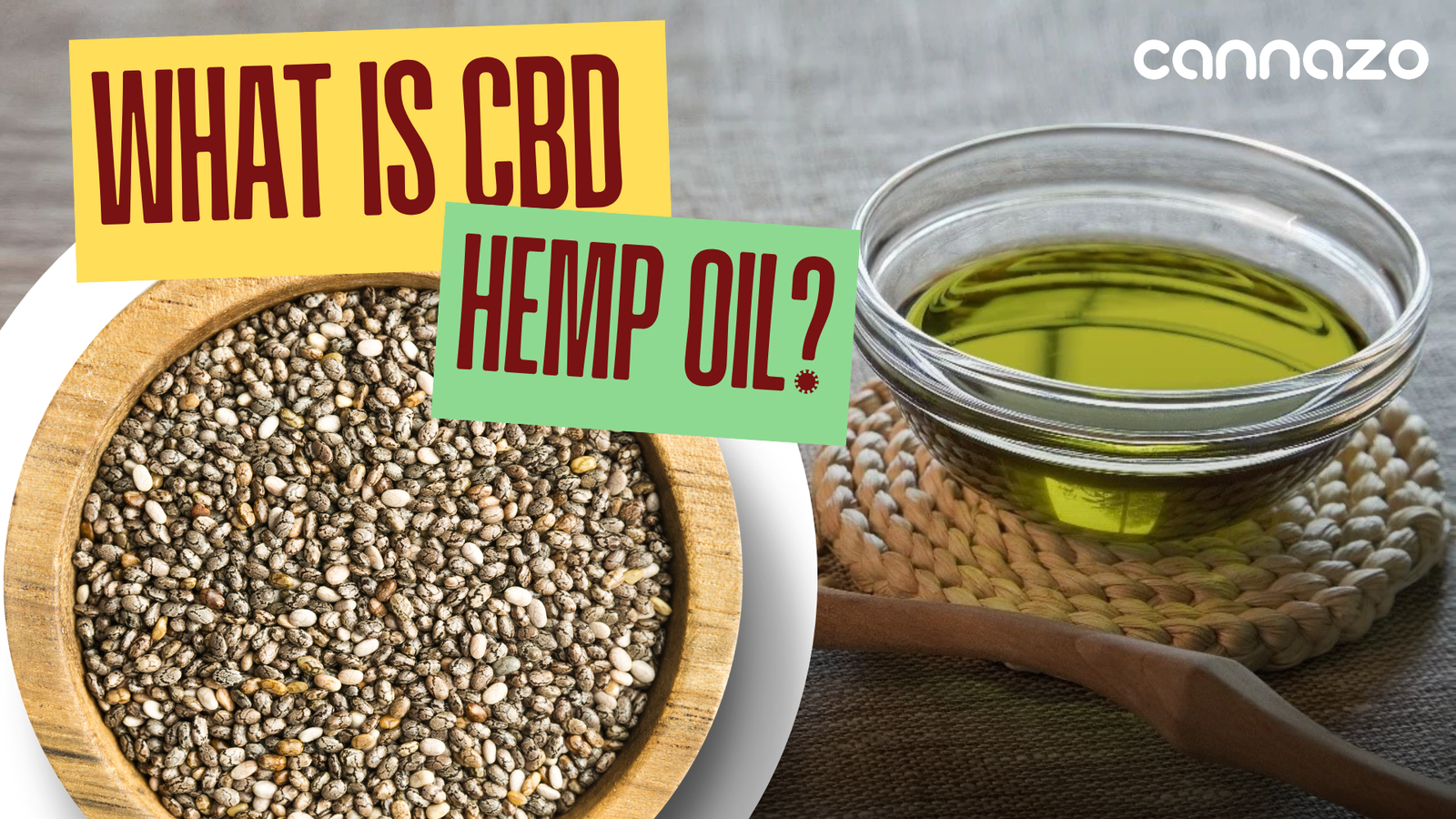
- CBD oil: Extracted from flowers/leaves; contains active CBD (and sometimes THC) and acts as a pharmacologically active compound with both potential benefits and measurable risks for liver enzymes. [5]
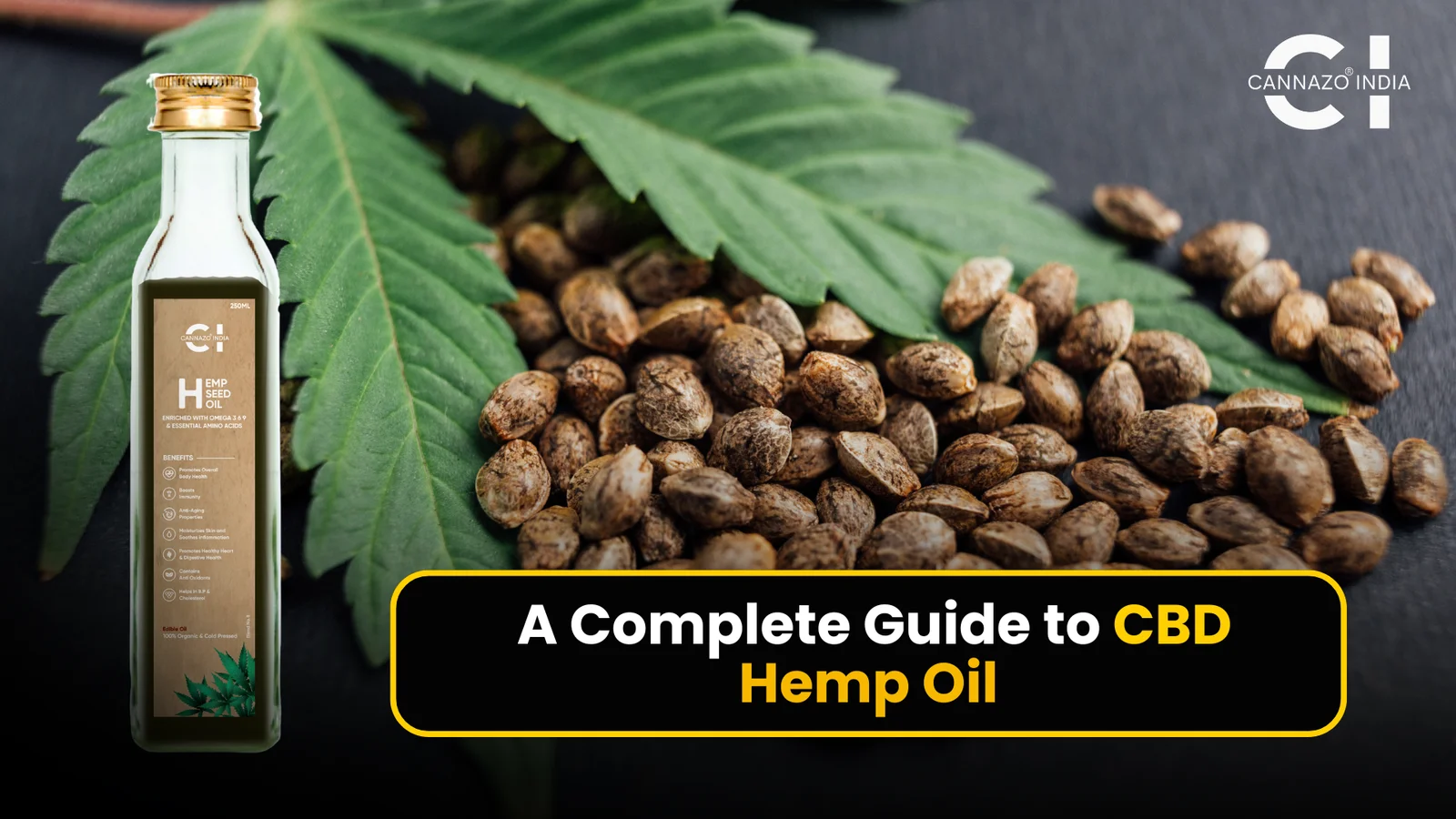
- Hemp seed oil: Pressed from seeds; naturally very low in cannabinoids, rich in polyunsaturated fatty acids (omega-3 and omega-6), and treated as a food fat under FSSAI, with strict limits on residual CBD content.
Animal research in high-fat diet models shows that hempseed lipid fractions can improve fatty liver markers, reduce liver enzyme elevations, and correct dyslipidaemia, pointing to a hepatoprotective profile as part of a healthy diet. For everyday Indian consumers mainly interested in liver-friendly cooking oils or salad oils, hemp seed oil (within FSSAI norms) is usually a safer, more food-like option than self-directed CBD oil for liver support.[5]
Conclusion
For liver health in India, CBD is a double-edged sword: at thoughtful, medically supervised doses it may reduce inflammation, oxidative stress, and fatty changes, but at higher or poorly monitored doses it can raise liver enzymes and interact with other medications. Hemp seed oil, by contrast, is a regulated food fat with promising animal data for fatty liver and a much lower risk profile, making it a better everyday choice for most people, while CBD should be reserved for clear indications, under prescription, and with regular liver monitoring.
References
- Pedersen, T. (2024, March 14). Can CBD Help or Hurt Fatty Liver Disease? Healthline; Healthline Media. https://www.healthline.com/health/cbd-and-fatty-liver
- Henderson, R. G., Vincent, M., Rivera, B. N., Bonn-Miller, M. O., & Doepker, C. (2023). Cannabidiol safety considerations: Development of a potential acceptable daily intake value and recommended upper intake limits for dietary supplement use. Regulatory Toxicology and Pharmacology, 144, 105482. https://doi.org/10.1016/j.yrtph.2023.105482
- (2025). Jwatch.org. https://www.jwatch.org/na58995/2025/07/28/can-cannabidiol-cause-liver-enzyme-abnormalities
- Kaushal, N., Gupta, M., & Kulshreshtha, E. (2020). Hempseed (Cannabis sativa) lipid fractions alleviate high-fat diet-induced fatty liver disease through regulation of inflammation and oxidative stress. Heliyon, 6(7), e04422. https://doi.org/10.1016/j.heliyon.2020.e04422
- India Opens the Door to Hemp Foods: FSSAI’s 2025 Standards and What Exporters Must Do. (2025). Cannabisregulations.ai. https://www.cannabisregulations.ai/cannabis-and-hemp-regulations-compliance-ai-blog/india-2025-fssai-hemp-foods-exporter-compliance