Apply Code: CANNAZO10 & Get 10% OFF on Your Order! Feel the Balance — Use Code BERBERINE20 for 20% Off On Liposomal Berberine
Apply Code: CANNAZO10 & Get 10% OFF on Your Order! Feel the Balance — Use Code BERBERINE20 for 20% Off On Liposomal Berberine
Apply Code: CANNAZO10 & Get 10% OFF on Your Order! Feel the Balance — Use Code BERBERINE20 for 20% Off On Liposomal Berberine
Apply Code: CANNAZO10 & Get 10% OFF on Your Order! Feel the Balance — Use Code BERBERINE20 for 20% Off On Liposomal Berberine
Apply Code: CANNAZO10 & Get 10% OFF on Your Order! Feel the Balance — Use Code BERBERINE20 for 20% Off On Liposomal Berberine
Apply Code: CANNAZO10 & Get 10% OFF on Your Order! Feel the Balance — Use Code BERBERINE20 for 20% Off On Liposomal Berberine
Apply Code: CANNAZO10 & Get 10% OFF on Your Order! Feel the Balance — Use Code BERBERINE20 for 20% Off On Liposomal Berberine
Apply Code: CANNAZO10 & Get 10% OFF on Your Order! Feel the Balance — Use Code BERBERINE20 for 20% Off On Liposomal Berberine
Apply Code: CANNAZO10 & Get 10% OFF on Your Order! Feel the Balance — Use Code BERBERINE20 for 20% Off On Liposomal Berberine
Apply Code: CANNAZO10 & Get 10% OFF on Your Order! Feel the Balance — Use Code BERBERINE20 for 20% Off On Liposomal Berberine
Apply Code: CANNAZO10 & Get 10% OFF on Your Order! Feel the Balance — Use Code BERBERINE20 for 20% Off On Liposomal Berberine
Apply Code: CANNAZO10 & Get 10% OFF on Your Order! Feel the Balance — Use Code BERBERINE20 for 20% Off On Liposomal Berberine
CBD oil, derived from the cannabis plant, is increasingly recognised for its potential anti-inflammatory and pain-relieving properties. While research is still emerging, many people use CBD oil as a natural alternative to traditional anti-inflammatory medications. This guide will help you understand how CBD works for inflammation and how to select the best product for your needs. [1],[2]
What is CBD Oil and How Does It Help with Inflammation?
CBD (Cannabidiol) and Its Anti-Inflammatory Effects
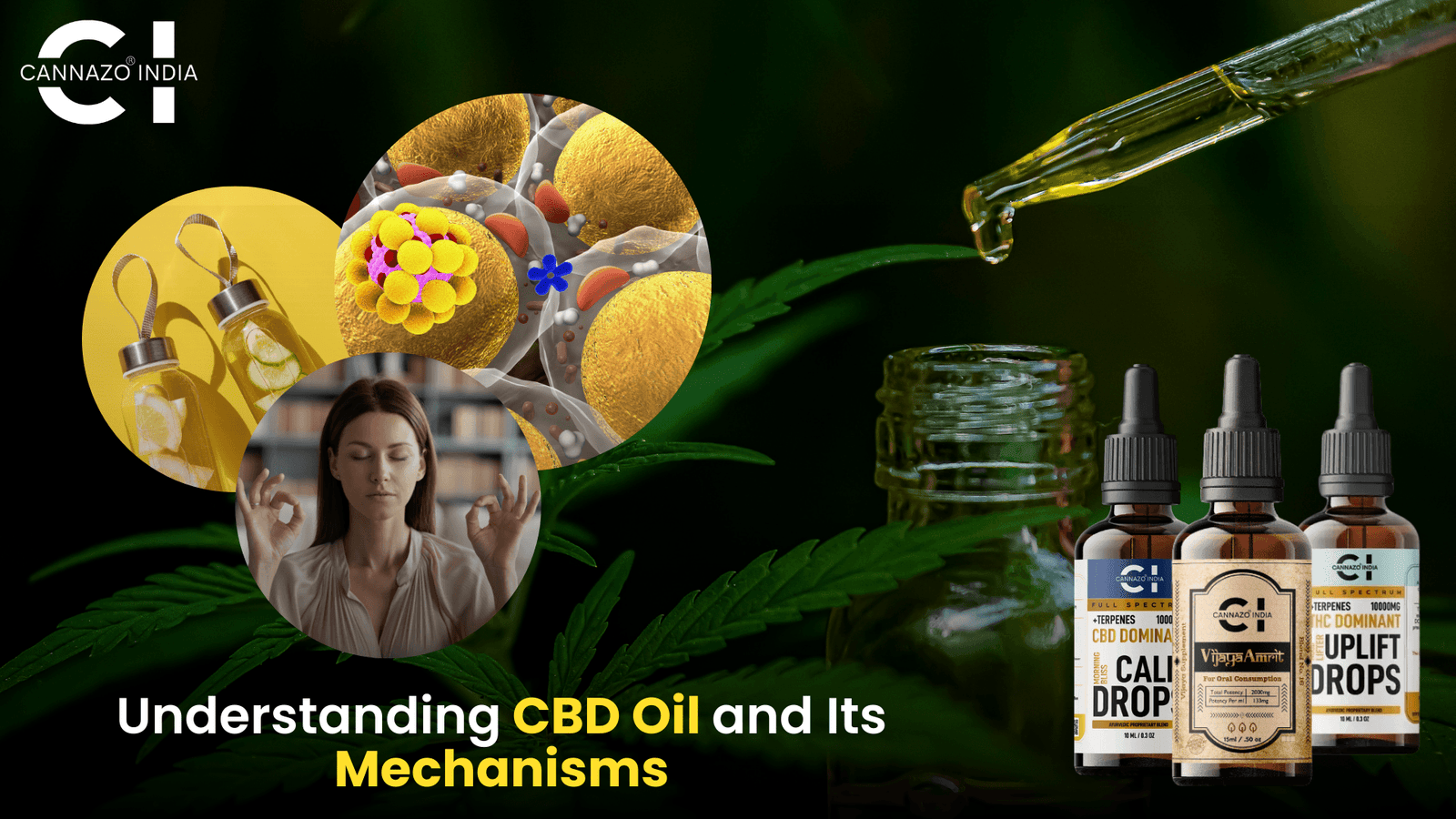
CBD, or cannabidiol, is a natural compound found in the cannabis plant. Unlike THC, it doesn’t cause a “high.” Instead, it works by interacting with the body’s endocannabinoid system (ECS)—a network of receptors, natural chemicals (endocannabinoids), and enzymes that help regulate important processes like inflammation, pain, mood, immune function, and metabolism. The ECS is found throughout the body, including in immune cells and nerves involved in inflammation and pain.
CBD helps reduce inflammation in several ways:
Lowering Pro-inflammatory Cytokines
CBD can reduce the levels of cytokines—chemical messengers that promote inflammation. For example, it helps decrease the release of IL-6 and IL-12 from immune cells like macrophages and T cells. This helps shift the immune system’s response from a pro-inflammatory state to a more balanced, anti-inflammatory one.
Blocking Pain Signals
The ECS plays a big role in how we feel pain. CBD can influence CB1 and CB2 receptors in the nervous system to reduce pain signals. This makes it helpful for both short-term and long-term pain related to inflammation.
Acting as an Antioxidant
CBD also has antioxidant properties, which means it helps protect the body’s cells from oxidative stress—a type of damage that often increases during chronic inflammation.
Helping the Body Resolve Inflammation
New research shows that CBD not only suppresses inflammation but also helps the body actively resolve it. It encourages immune cells to stop producing pro-inflammatory substances (like prostaglandins and leukotrienes) and start making compounds called specialized pro-resolving mediators (SPMs). These SPMs help heal tissues and return the body to a healthy state. CBD supports this process by activating an enzyme called 15-lipoxygenase (15-LOX), which is needed to create SPMs.[2],[3]
Types of CBD Oil
There are three main types of CBD oil, each with unique characteristics:
Type
Contains CBD
Contains THC
Contains Other Cannabinoids & Terpenes
Best For
Full-spectrum CBD
Yes
Yes (<0.3%)
Yes
Enhanced effectiveness
Broad-spectrum CBD
Yes
No
Yes
No THC, but full effect
CBD Isolate
Yes
No
No
Pure CBD only
Full-spectrum CBD: Contains all cannabinoids, terpenes, and up to 0.3% THC, which may enhance anti-inflammatory effects through the “entourage effect”.[2],[4]
Broad-spectrum CBD: Contains multiple cannabinoids and terpenes but no THC, suitable for those who want to avoid THC.[2],[4]
CBD Isolate: Pure CBD, no other cannabinoids or terpenes.[2],[4]
Factors to Consider When Choosing CBD Oil for Inflammation
Potency: The potency of a CBD oil refers to how much CBD is present in each dose, typically measured in milligrams (mg). In cases of severe or chronic inflammation, a higher potency product may be more effective. However, it’s important to start with a low dose and increase gradually as needed. This approach helps minimize potential side effects and allows your body to adjust to the supplement. Consulting with a healthcare professional can help determine the ideal dosage for your specific condition.
Source of Hemp: The quality of the hemp plant used in CBD oil is crucial. Organically grown hemp is free from harmful pesticides, herbicides, heavy metals, and other contaminants that could worsen inflammation or cause adverse reactions. Hemp plants also absorb substances from the soil, so products derived from non-organic or poorly cultivated hemp may carry unwanted chemicals.[5]
Extraction Method: How the CBD is extracted from the hemp plant matters. The CO2 extraction method is considered the gold standard because it:
Maintains the purity and potency of CBD.
Doesn’t leave behind harmful solvent residues.
Preserves beneficial cannabinoids and terpenes that may enhance the anti-inflammatory effects.
Avoid products that use cheaper extraction methods like butane or propane, as they can result in contaminated or lower-quality oil.[5]
Third-party Lab Testing: Trustworthy CBD brands provide third-party lab reports (Certificates of Analysis, or COAs) for their products. These reports verify:
CBD and THC content matches what’s on the label.
The product is free from heavy metals, pesticides, solvents, and microbial contaminants.
The overall safety and purity of the oil.
Always look for a QR code or link to lab results on the product packaging or company website. Lack of transparency is a dangerous.[5]
Ingredients: CBD oil should contain minimal, high-quality ingredients. Ideally, the product will include:
CBD extract
A carrier oil (like MCT oil, hemp seed oil, or olive oil)
Avoid products with:
Artificial colours or flavours
Unnecessary additives, preservatives, or synthetic fillers
Allergens like soy, gluten, or dairy (unless labelled clearly)
If you’re targeting inflammation, some products may also include natural anti-inflammatory ingredients like turmeric or ginger, which can complement the effects of CBD.[5]
Delivery Methods: Which One is Best for Inflammation?
Oral (Oils, Capsules, Gummies): Oral CBD products such as oils, capsules, and gummies are best suited for managing systemic inflammation, that is, inflammation that affects the entire body. When taken orally, CBD enters the digestive system and is absorbed into the bloodstream, allowing it to interact with the endocannabinoid system across multiple tissues and organs. This makes it effective for conditions like arthritis, autoimmune disorders, or chronic inflammatory pain. Oils and tinctures, when placed under the tongue, offer faster absorption compared to capsules or gummies, which take longer due to digestion. Although onset may be slower (30–90 minutes), oral forms provide long-lasting relief (up to 6–8 hours) and are easy to dose, making them a convenient option for consistent daily use.[2],[5]
Topical (Creams, Balms): Topical CBD products are designed for targeted relief of localised pain and inflammation. Applied directly to the skin over sore joints, muscles, or inflamed skin, these formulations interact with cannabinoid receptors in the epidermis and underlying tissues without entering the bloodstream. This makes them ideal for conditions such as osteoarthritis, sports injuries, back pain, or inflammatory skin issues like eczema. Many topical products are combined with additional soothing ingredients like menthol, arnica, or essential oils for enhanced therapeutic effects. The relief is fast and localised, but since the CBD doesn’t circulate systemically, topicals are not effective for internal or widespread inflammation.[1],[2],[3]
Inhalation (Vaping): Inhalation through vaping or smoking offers the fastest onset of CBD’s effects, usually within minutes, because the compound is absorbed directly into the bloodstream via the lungs. This rapid action can be beneficial for sudden inflammatory flare-ups or for managing anxiety that accompanies chronic inflammation. However, the effects are short-lived (typically 1–3 hours), and regular inhalation may pose risks to lung health, especially with unregulated or low-quality vape products. Due to concerns over lung irritation and potential harm from additives like vitamin E acetate, vaping is not recommended for long-term or routine inflammation management, especially when safer and more effective options like oral or topical CBD are available.[2],[3],[5]
Dosage Guide: How Much CBD Oil Should You Take?
Most healthcare professionals and researchers agree on a “start low, go slow” approach. This means beginning with a low dose, typically between 5 to 15 mg per day, and slowly increasing it over time based on how your body responds. The goal is to find the minimum effective dose—the lowest amount that provides noticeable relief without causing side effects. Several factors influence how much CBD a person may need:
Body Weight and Metabolism: Heavier individuals or those with a fast metabolism may require higher doses to feel the effects, as the CBD is processed and cleared from their system more quickly. Conversely, those with a smaller body frame may feel the effects with lower doses.
Severity of Inflammation: People dealing with mild inflammation (e.g., occasional joint discomfort) may benefit from a lower dose, while those with moderate to severe inflammation (such as arthritis or autoimmune conditions) might need a higher dose over time for effective relief.
Individual Response: Everyone’s endocannabinoid system is unique. While one person may find relief at 10 mg, another might require 30 mg for similar effects. Factors like age, genetics, tolerance, and sensitivity all play a role in how CBD works in the body.
Always monitor your body’s reaction and consult a healthcare professional if unsure.
Recommended Brands or Products
Cannazo India: Wide range of CBD oils, tinctures, and wellness products; often cited as a trusted, licensed brand
Awshad: Full-spectrum CBD oils in various flavors (Tulsi, Peppermint, Natural); free doctor consultations, vegan, gluten-free, organic
BOHECO: Focus on quality and education, wide range of hemp-based products
Is CBD oil safe for inflammation? CBD is generally considered safe, but side effects can include drowsiness or digestive issues. Consult a healthcare provider before use, especially if taking other medications.[2]
How long does CBD take to work? Effects can begin within 45 minutes for oral products and may be faster for topicals, but this varies by individual.[3]
Can I use CBD with other anti-inflammatory medications? Discuss with your healthcare provider, as CBD may interact with certain medications.[2]
Conclusion
Choosing the right CBD oil for inflammation involves understanding the different types, delivery methods, and dosage considerations. Full-spectrum products may offer the most benefits, but broad-spectrum and isolate options are also effective. Always select high-quality, lab-tested products and consult a healthcare professional for personalised advice. With careful selection, CBD oil can be a valuable addition to your inflammation management strategy