Apply Code: CANNAZO10 & Get 10% OFF on Your Order! Feel the Balance — Use Code BERBERINE20 for 20% Off On Liposomal Berberine
Apply Code: CANNAZO10 & Get 10% OFF on Your Order! Feel the Balance — Use Code BERBERINE20 for 20% Off On Liposomal Berberine
Apply Code: CANNAZO10 & Get 10% OFF on Your Order! Feel the Balance — Use Code BERBERINE20 for 20% Off On Liposomal Berberine
Apply Code: CANNAZO10 & Get 10% OFF on Your Order! Feel the Balance — Use Code BERBERINE20 for 20% Off On Liposomal Berberine
Apply Code: CANNAZO10 & Get 10% OFF on Your Order! Feel the Balance — Use Code BERBERINE20 for 20% Off On Liposomal Berberine
Apply Code: CANNAZO10 & Get 10% OFF on Your Order! Feel the Balance — Use Code BERBERINE20 for 20% Off On Liposomal Berberine
Apply Code: CANNAZO10 & Get 10% OFF on Your Order! Feel the Balance — Use Code BERBERINE20 for 20% Off On Liposomal Berberine
Apply Code: CANNAZO10 & Get 10% OFF on Your Order! Feel the Balance — Use Code BERBERINE20 for 20% Off On Liposomal Berberine
Apply Code: CANNAZO10 & Get 10% OFF on Your Order! Feel the Balance — Use Code BERBERINE20 for 20% Off On Liposomal Berberine
Apply Code: CANNAZO10 & Get 10% OFF on Your Order! Feel the Balance — Use Code BERBERINE20 for 20% Off On Liposomal Berberine
Apply Code: CANNAZO10 & Get 10% OFF on Your Order! Feel the Balance — Use Code BERBERINE20 for 20% Off On Liposomal Berberine
Apply Code: CANNAZO10 & Get 10% OFF on Your Order! Feel the Balance — Use Code BERBERINE20 for 20% Off On Liposomal Berberine
Ayesha Qazi, a Bachelor of Pharmacy graduate from NMIMS Mumbai, is known for her creativity. She has extensive experience in writing research papers, review articles, and reports. She has also worked with research and development teams, contributing to various projects. Currently, she is exploring opportunities in pharmaceutical marketing and management.
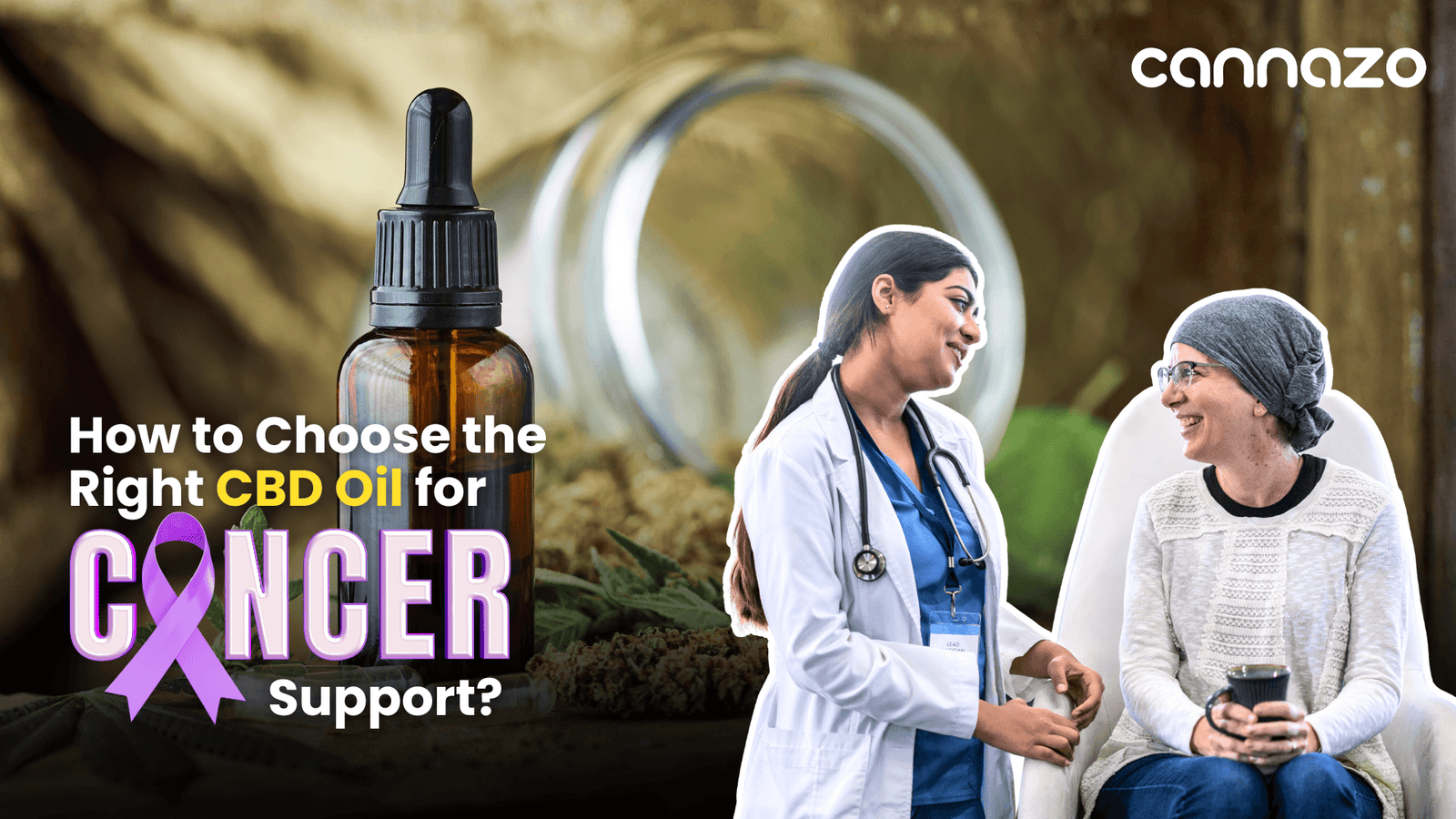
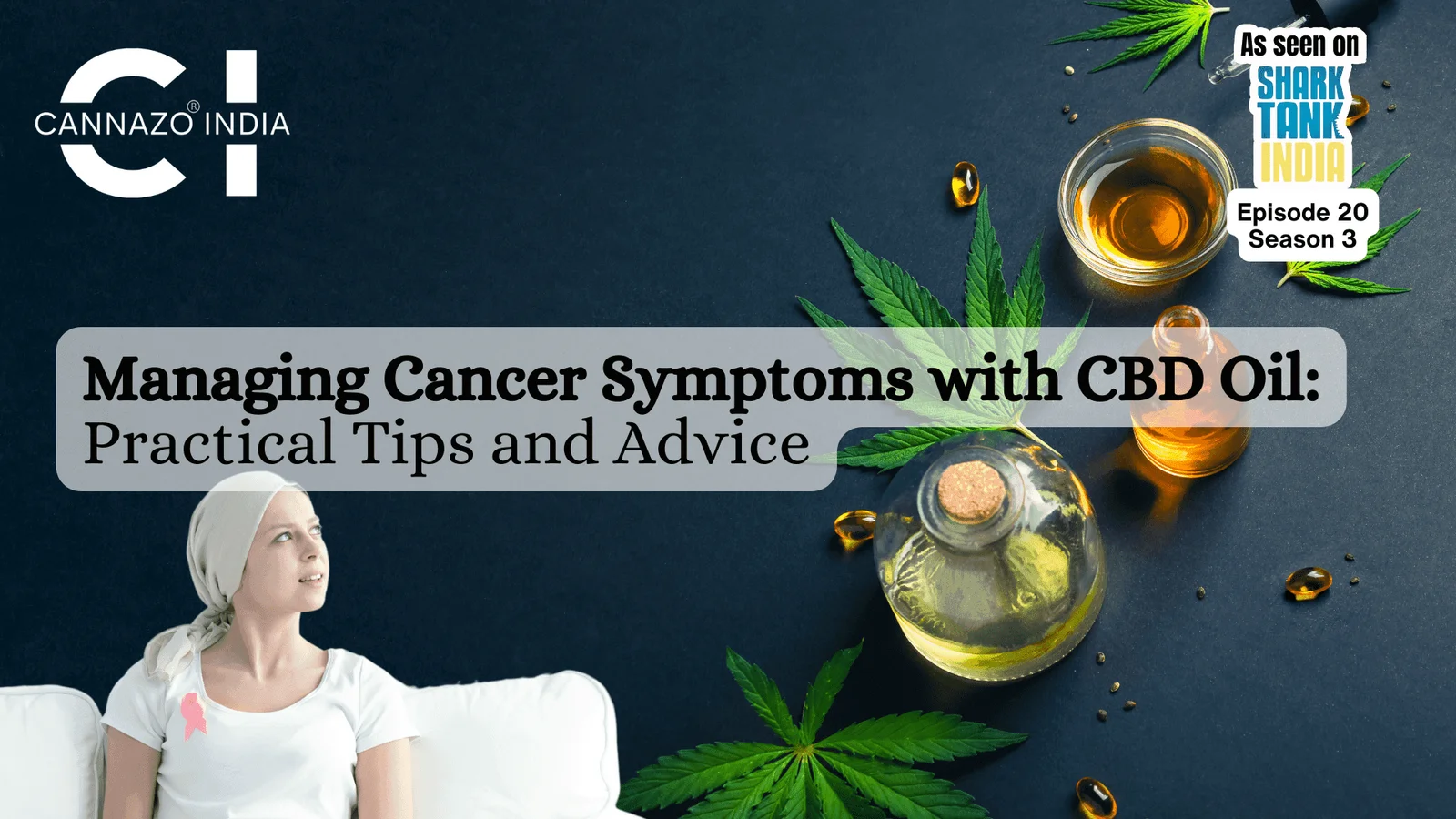
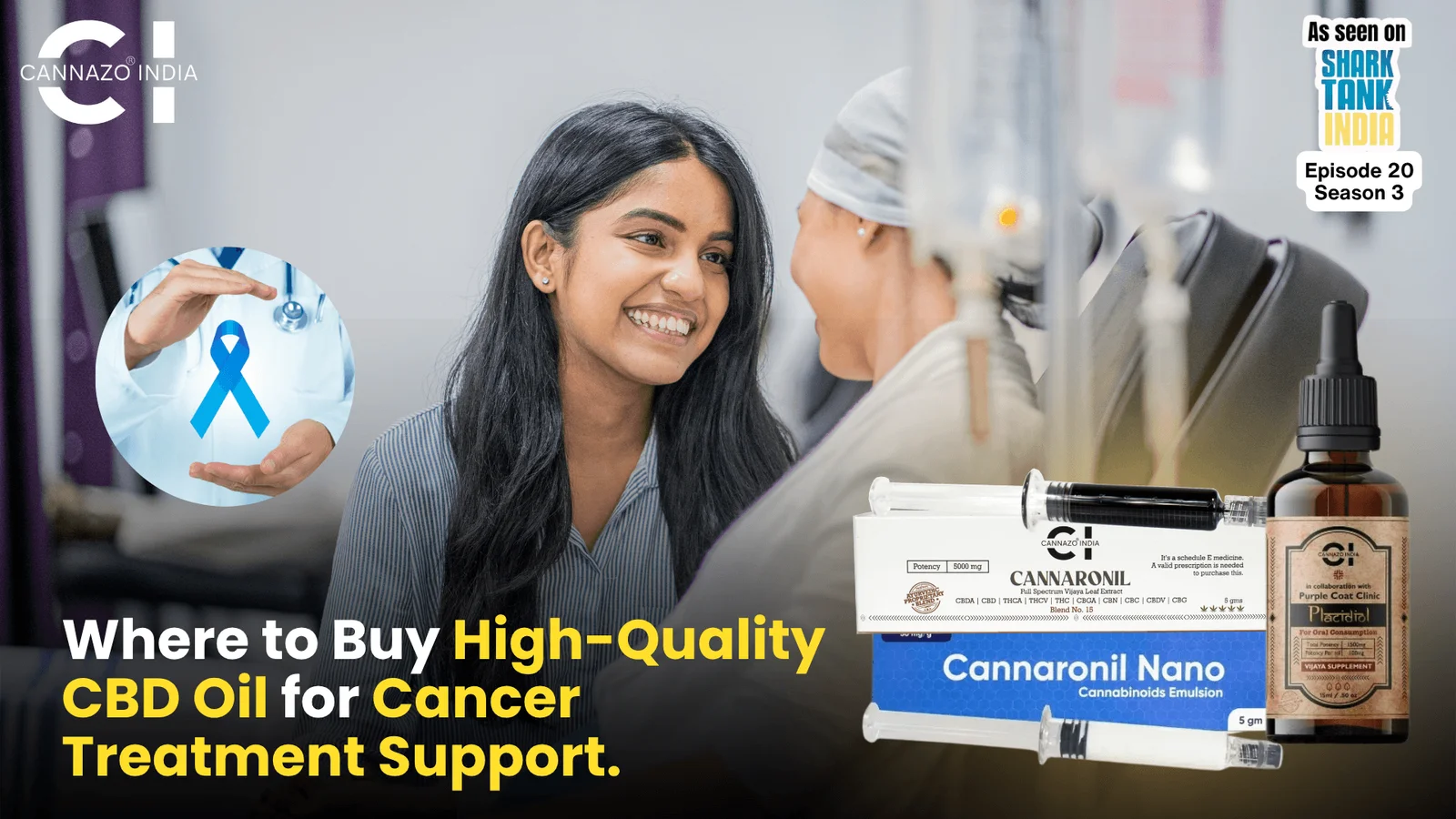
CBD oil has gained significant attention as a complementary therapy for cancer patients, offering potential relief from symptoms and side effects of cancer and its treatments. However, with a wide variety of products available, selecting the right CBD oil requires careful consideration of quality, type, dosage, and safety. This guide covers everything you need to know about CBD oil for cancer support, including its benefits, how to choose the best product, and answers to frequently asked questions. [1][2]
Understanding CBD Oil and Its Role in Cancer Treatment
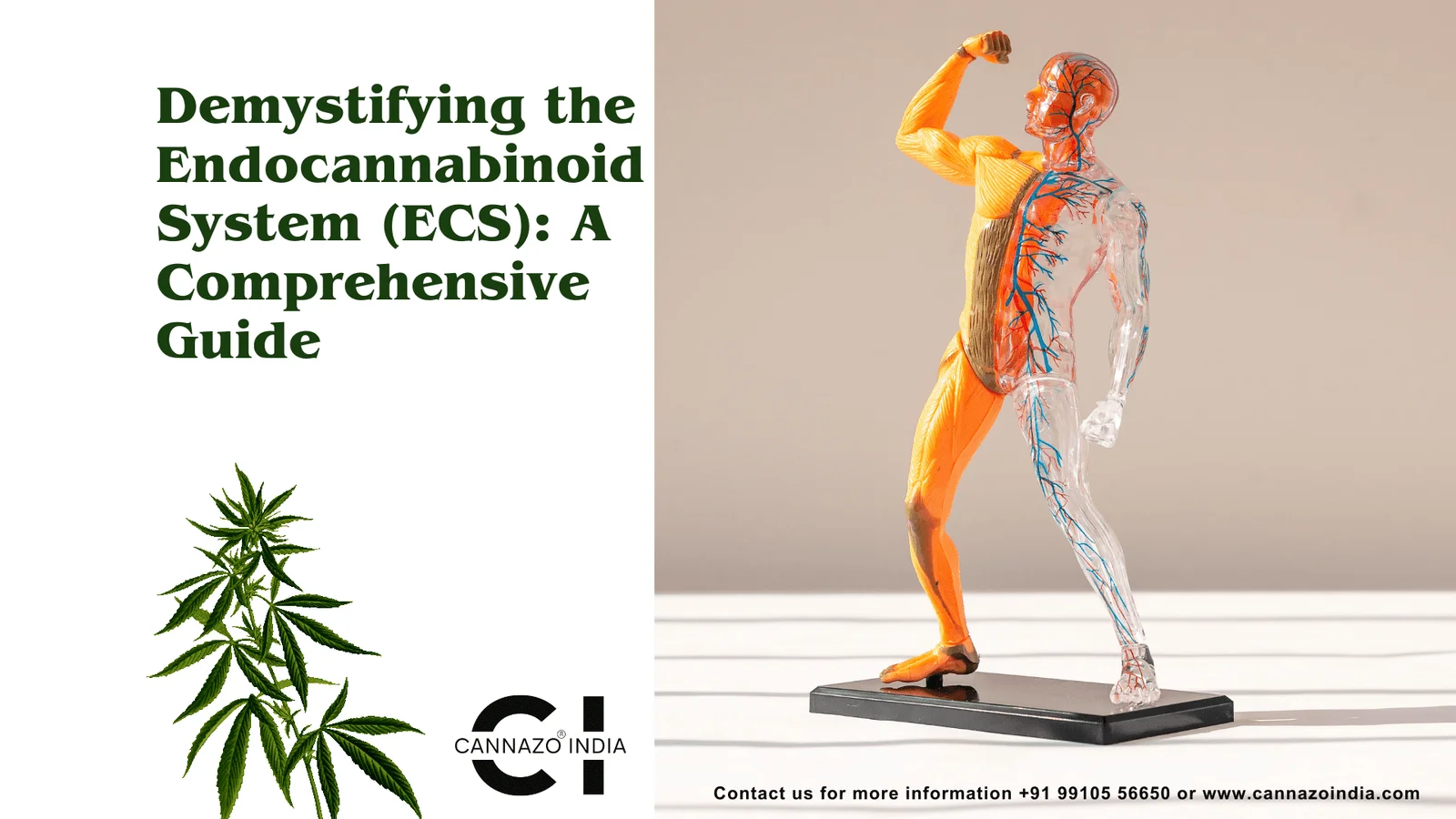
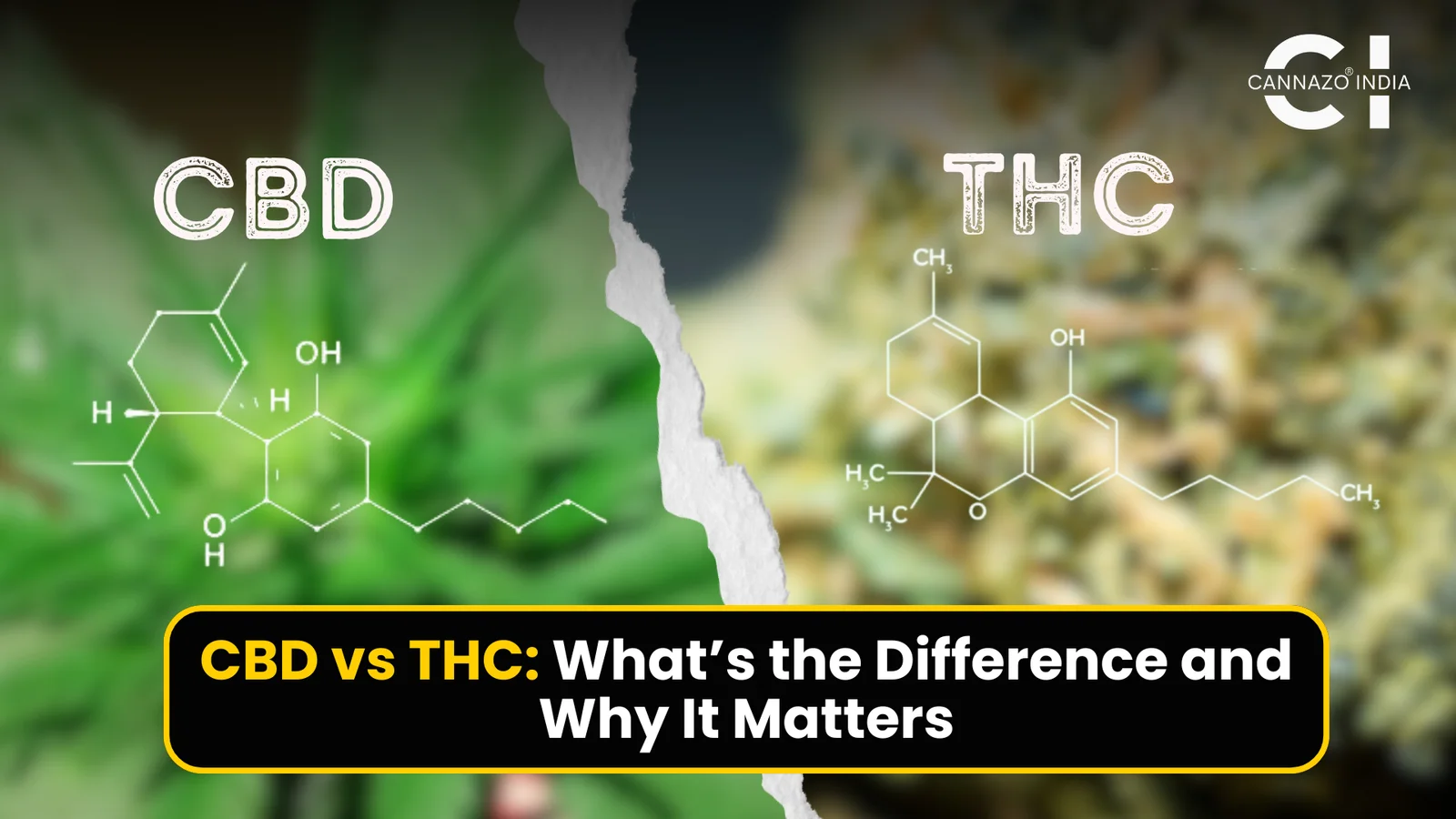
CBD (cannabidiol) is a non-intoxicating compound found in the cannabis plant. Unlike THC, CBD does not produce a “high” but interacts with the body’s endocannabinoid system (ECS), which regulates functions such as pain, inflammation, mood, and immune response. Research suggests that CBD may help manage cancer-related symptoms like pain, nausea, anxiety, and loss of appetite, and may also have anti-tumor properties in preclinical studies. CBD is not a cure for cancer, but it may support conventional treatments by alleviating side effects and improving quality of life. It is important to use CBD oil as part of an integrative approach, always under the guidance of a healthcare provider. [1],[2]
Factors to Consider When Choosing CBD Oil for Cancer
Quality of the Product
The quality of CBD oil is crucial for safety and effectiveness. Look for products that are:
Third-party tested for purity and potency
Free from contaminants like pesticides, heavy metals, and solvents
Clearly labeled with CBD concentration and ingredients
Reputable brands provide certificates of analysis (COAs) from independent labs, ensuring transparency and reliability.
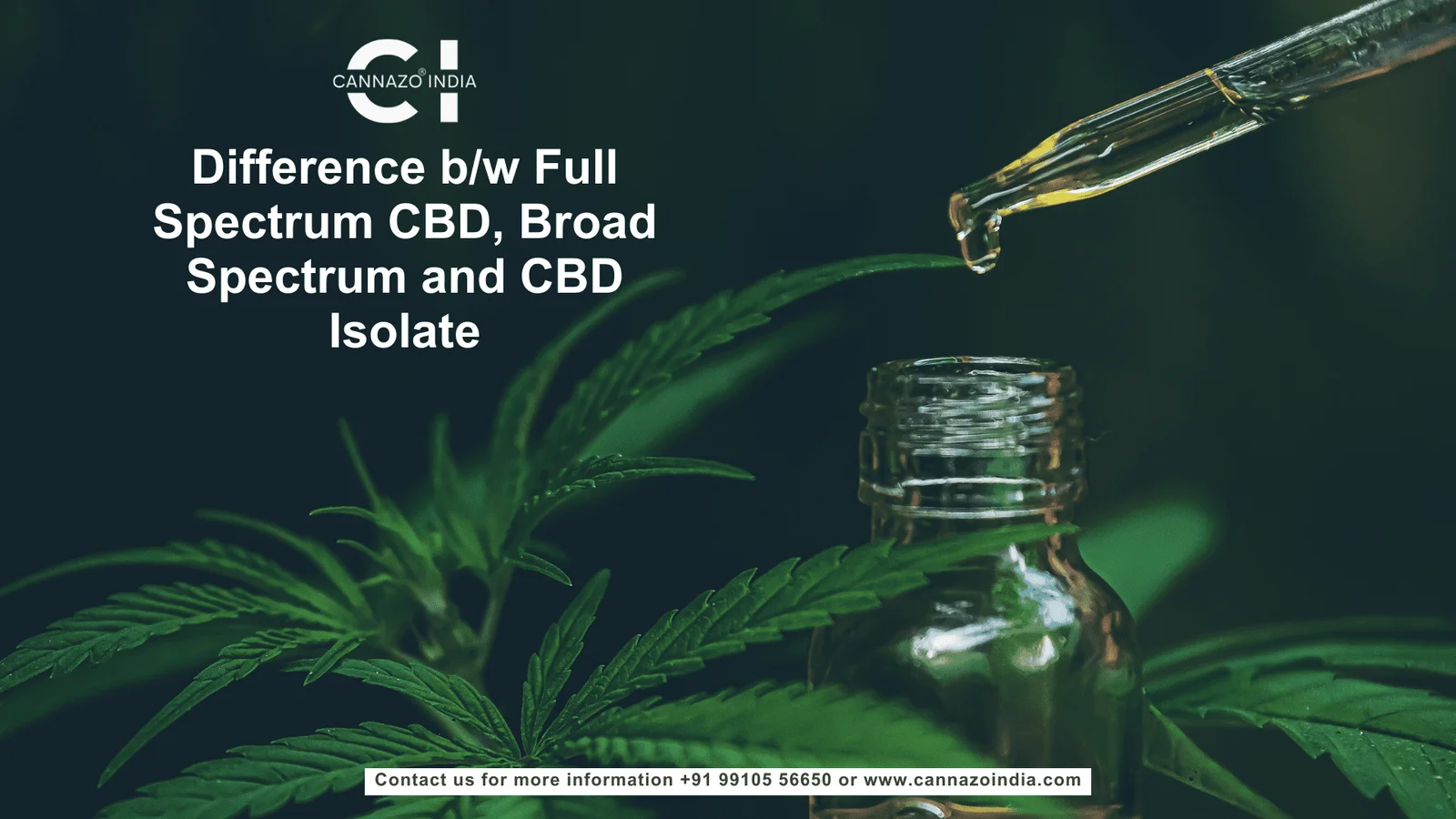
Full Spectrum vs. Broad Spectrum vs. Isolate
Type
Contains THC
Other Cannabinoids
Terpenes
Entourage Effect
Potential Benefits
Considerations
Full Spectrum
Yes (up to 0.3%)
Yes
Yes
Yes
Maximum therapeutic effect
May show up on drug tests
Broad Spectrum
No or Trace
Yes
Yes
Limited
Balanced effect, less THC
Less likely to show up on drug tests
Isolate
No
No
No
No
Pure CBD, no THC
Least likely to show up on drug tests
Full Spectrum: Contains all cannabinoids and terpenes, including up to 0.3% THC. The “entourage effect” may enhance therapeutic benefits.
Broad Spectrum: Contains cannabinoids and terpenes but no THC, offering a balanced effect without psychoactive risks.
Isolate: Pure CBD, no THC or other cannabinoids. Suitable for those sensitive to THC or subject to drug testing.[3],[4],[5]
Dosage and Concentration
Dosage varies based on individual needs, cancer type, and treatment stage. General guidelines suggest:
Starting with a low dose (e.g., 25–50 mg twice daily) and gradually increasing as needed.
Consulting a healthcare provider for personalized recommendations, especially for advanced cancer or concurrent treatments.
Higher doses (up to 600 mg/day) have been used in clinical studies, but always begin low and monitor for side effects.[5],[6]
Health Benefits of CBD Oil for Cancer Support
CBD oil may help manage several cancer-related symptoms and side effects:
Pain Relief: CBD has analgesic properties and may reduce neuropathic and inflammatory pain.
Nausea and Vomiting: CBD can help control chemotherapy-induced nausea and vomiting.
Anxiety and Depression: CBD may alleviate anxiety and depressive symptoms common in cancer patients.
Sleep Disorders: CBD can improve sleep quality and reduce insomnia.
Appetite Stimulation: CBD may help stimulate appetite and reduce cachexia.
Anti-inflammatory Effects: CBD reduces inflammation, which can help with pain and fatigue.
Preclinical studies also suggest CBD may have direct anti-tumor effects, such as inducing apoptosis and inhibiting cancer cell growth, but more research is needed in humans. [2],[7],[8]
Choosing the Right Brand and Product
Selecting a reputable brand is essential for safety and efficacy. Consider:
Transparency: Brands should provide COAs and clear ingredient lists.
Source: Opt for products derived from organically grown hemp.
Formulation: Choose products with the desired spectrum (full, broad, isolate) and delivery method (oil, capsule, topical).
Customer Reviews: Look for positive feedback and professional endorsements.
Always consult a healthcare provider before starting any new supplement, especially for cancer patients. [9]
Potential Side Effects and Safety Concerns
CBD is generally well-tolerated, but possible side effects include:
Drowsiness or fatigue: Some people may feel sleepy or less alert after taking CBD, which can affect activities like driving or operating machinery.
Dry mouth: CBD can reduce saliva production, leading to an uncomfortable dry sensation in the mouth.
Changes in appetite or weight: While some people may experience an increase in appetite, others might notice a decrease.
Diarrhea or digestive issues: High doses of CBD, or certain formulations (like oils), can upset the digestive system.
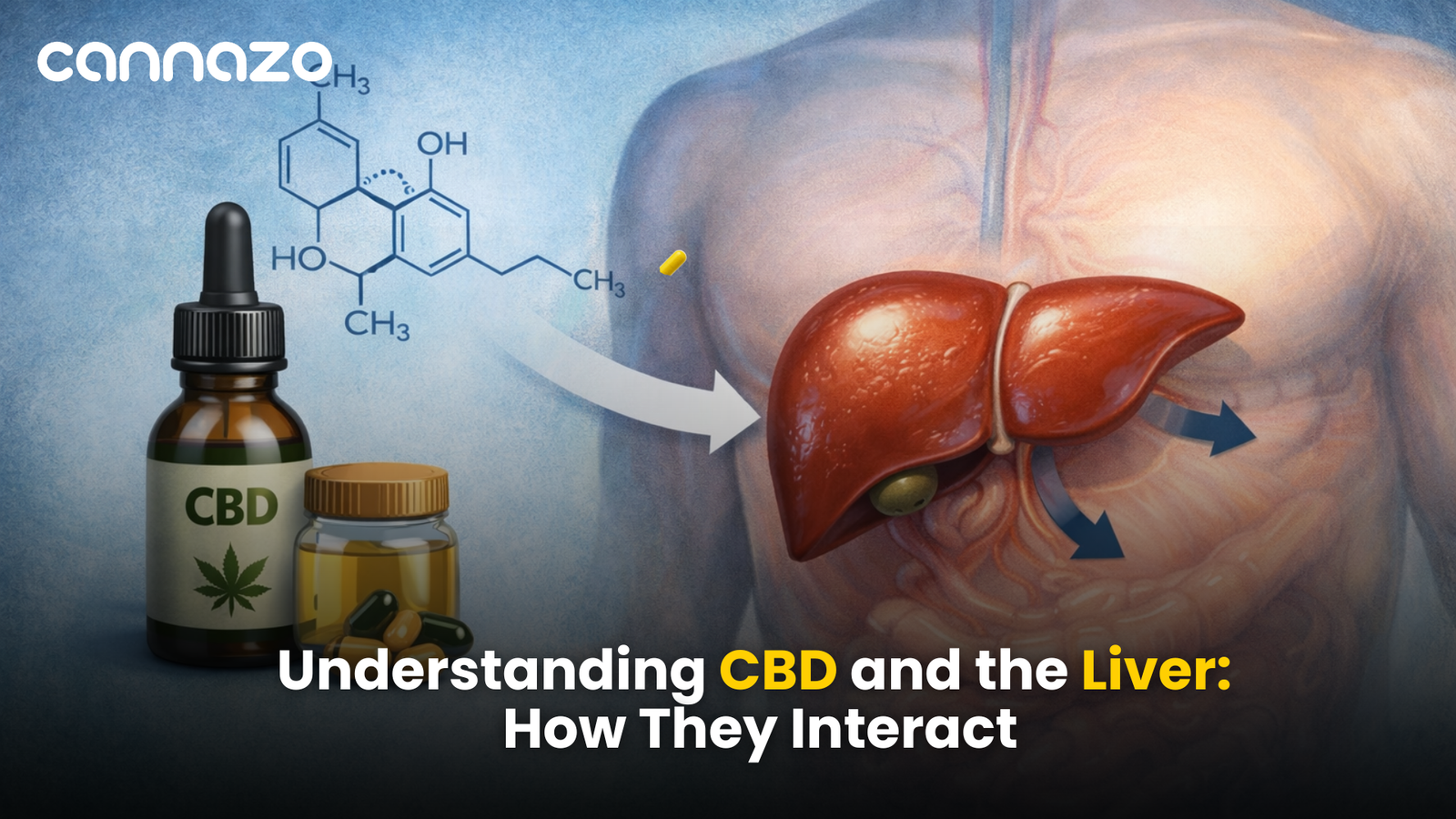
Drug interactions: CBD can interfere with how the liver processes certain medications, such as blood thinners, anti-seizure drugs, and chemotherapy agents. This can either increase side effects or reduce the effectiveness of those drugs.
Because of these risks, medical supervision is important, especially for people with chronic illnesses or those taking prescription medications. Always consult a healthcare provider before starting CBD.[8],[9]
Conclusion
In conclusion, CBD oil holds great promise as a supportive and complementary therapy for individuals undergoing cancer treatment. While it is not a cure, research and patient experiences suggest that CBD can help manage a variety of distressing symptoms, including pain, nausea, vomiting, anxiety, depression, and sleep disturbances. By helping to relieve these side effects, CBD may improve patients’ overall comfort, emotional well-being, and quality of life during treatment.
However, the benefits of CBD oil depend heavily on choosing the right product and using it safely. Patients should look for high-quality, third-party tested oils that are free from contaminants and have clear labeling of ingredients and concentrations. Understanding the difference between full-spectrum, broad-spectrum, and isolate formulations can also help in selecting the most suitable product. Since each person’s body and condition are unique, dosage should start low and be adjusted gradually with professional guidance.
Most importantly, medical consultation is essential before beginning CBD oil, especially for those receiving chemotherapy or taking other medications. CBD may alter how the body processes certain drugs, potentially affecting their safety and effectiveness. Therefore, it should only be used under the supervision of a healthcare provider who can ensure that it complements—rather than conflicts with, existing treatments.
Overall, when used responsibly as part of a comprehensive cancer care plan, CBD oil can provide significant relief from symptoms and enhance patients’ day-to-day well-being. With proper education, medical guidance, and product quality assurance, CBD can be a safe, natural, and beneficial addition to supportive cancer therapy.
FAQs
Is CBD oil safe for cancer patients? CBD oil is generally safe for most cancer patients when used under medical supervision. However, it may interact with certain medications and treatments, so always consult a healthcare provider.
Can CBD oil replace chemotherapy for cancer? No, CBD oil cannot replace chemotherapy or other conventional cancer treatments. It should be used as a complementary therapy to manage symptoms and side effects.
What is the best type of CBD oil for cancer? The best type depends on individual needs and preferences. Full spectrum CBD oil may offer the most therapeutic benefits due to the entourage effect, but broad spectrum or isolate may be preferable for those avoiding THC.
How much CBD oil should I take for cancer? Dosage varies, but a common starting point is 25–50 mg twice daily, gradually increasing as needed. Always consult a healthcare provider for personalized recommendations.
Lowin, T., Tigges-Perez, M. S., Constant, E., & Pongratz, G. (2023). Anti-Inflammatory Effects of Cannabigerol in Rheumatoid Arthritis Synovial Fibroblasts and Peripheral Blood Mononuclear Cell Cultures Are Partly Mediated by TRPA1. International Journal of Molecular Sciences, 24(1), 855. https://doi.org/10.3390/ijms24010855
Lord, S., Hardy, J., & Good, P. (2022). Does Cannabidiol Have a Benefit as a Supportive Care Drug in Cancer? Current Treatment Options in Oncology, 23(4), 514–525. https://doi.org/10.1007/s11864-021-00934-0
Ayesha Qazi, a Bachelor of Pharmacy graduate from NMIMS Mumbai, is known for her creativity. She has extensive experience in writing research papers, review articles, and reports. She has also worked with research and development teams, contributing to various projects. Currently, she is exploring opportunities in pharmaceutical marketing and management.