Apply Code: CANNAZO10 & Get 10% OFF on Your Order! Feel the Balance — Use Code BERBERINE20 for 20% Off On Liposomal Berberine
Apply Code: CANNAZO10 & Get 10% OFF on Your Order! Feel the Balance — Use Code BERBERINE20 for 20% Off On Liposomal Berberine
Apply Code: CANNAZO10 & Get 10% OFF on Your Order! Feel the Balance — Use Code BERBERINE20 for 20% Off On Liposomal Berberine
Apply Code: CANNAZO10 & Get 10% OFF on Your Order! Feel the Balance — Use Code BERBERINE20 for 20% Off On Liposomal Berberine
Apply Code: CANNAZO10 & Get 10% OFF on Your Order! Feel the Balance — Use Code BERBERINE20 for 20% Off On Liposomal Berberine
Apply Code: CANNAZO10 & Get 10% OFF on Your Order! Feel the Balance — Use Code BERBERINE20 for 20% Off On Liposomal Berberine
Apply Code: CANNAZO10 & Get 10% OFF on Your Order! Feel the Balance — Use Code BERBERINE20 for 20% Off On Liposomal Berberine
Apply Code: CANNAZO10 & Get 10% OFF on Your Order! Feel the Balance — Use Code BERBERINE20 for 20% Off On Liposomal Berberine
Apply Code: CANNAZO10 & Get 10% OFF on Your Order! Feel the Balance — Use Code BERBERINE20 for 20% Off On Liposomal Berberine
Apply Code: CANNAZO10 & Get 10% OFF on Your Order! Feel the Balance — Use Code BERBERINE20 for 20% Off On Liposomal Berberine
Apply Code: CANNAZO10 & Get 10% OFF on Your Order! Feel the Balance — Use Code BERBERINE20 for 20% Off On Liposomal Berberine
Apply Code: CANNAZO10 & Get 10% OFF on Your Order! Feel the Balance — Use Code BERBERINE20 for 20% Off On Liposomal Berberine
Ayesha Qazi, a Bachelor of Pharmacy graduate from NMIMS Mumbai, is known for her creativity. She has extensive experience in writing research papers, review articles, and reports. She has also worked with research and development teams, contributing to various projects. Currently, she is exploring opportunities in pharmaceutical marketing and management.
Medical cannabis, encompassing CBD and low-THC cannabis derivatives, holds promise for treating chronic pain, epilepsy, and anxiety in India amid evolving regulations under the NDPS Act. This blog explores its science, history, legality, market potential, hurdles, global contrasts, and key FAQs, tailored for Indian healthcare enthusiasts interested in Ayurvedic integrations and wellness trends.
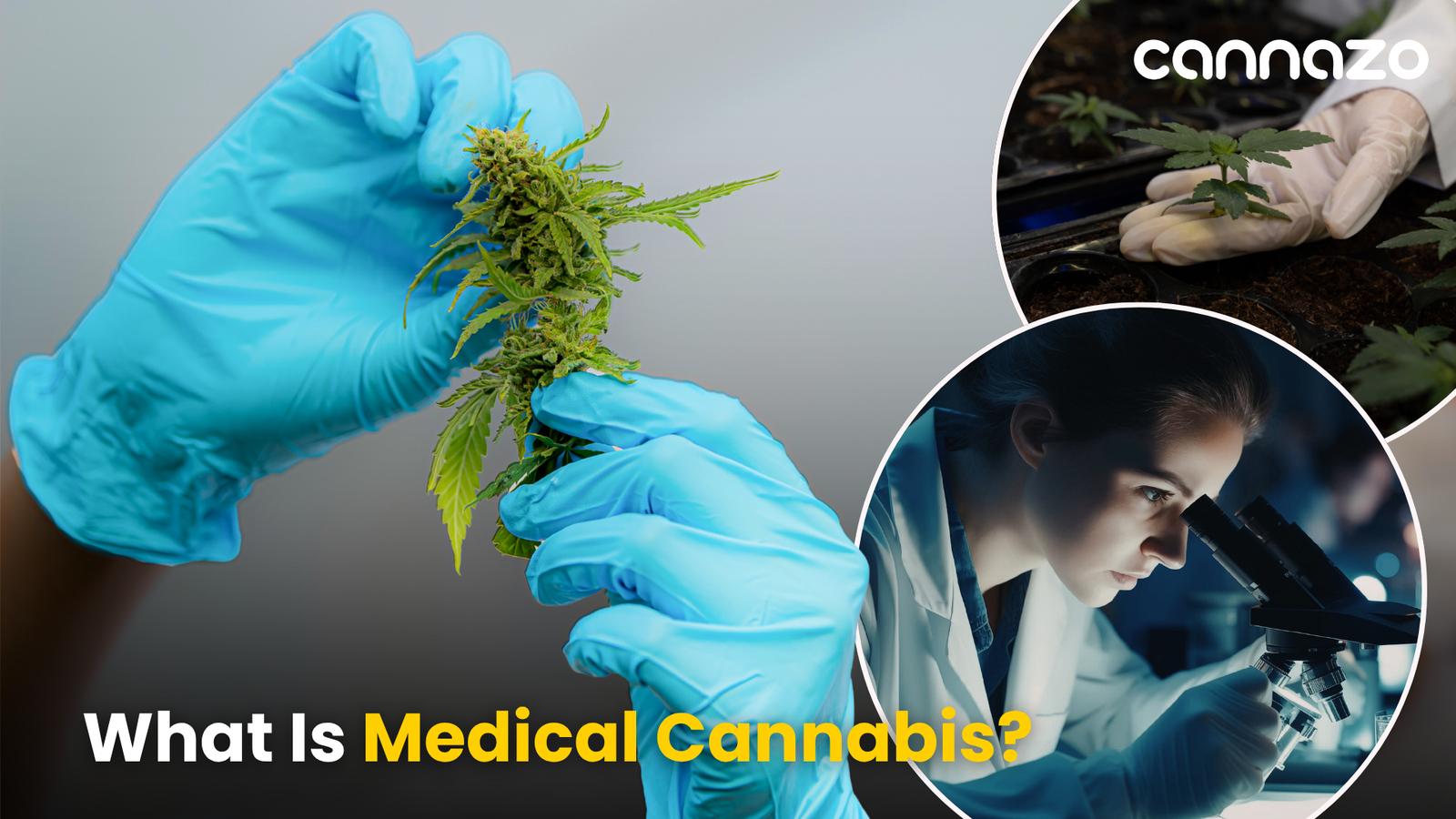
What Is Medical Cannabis?
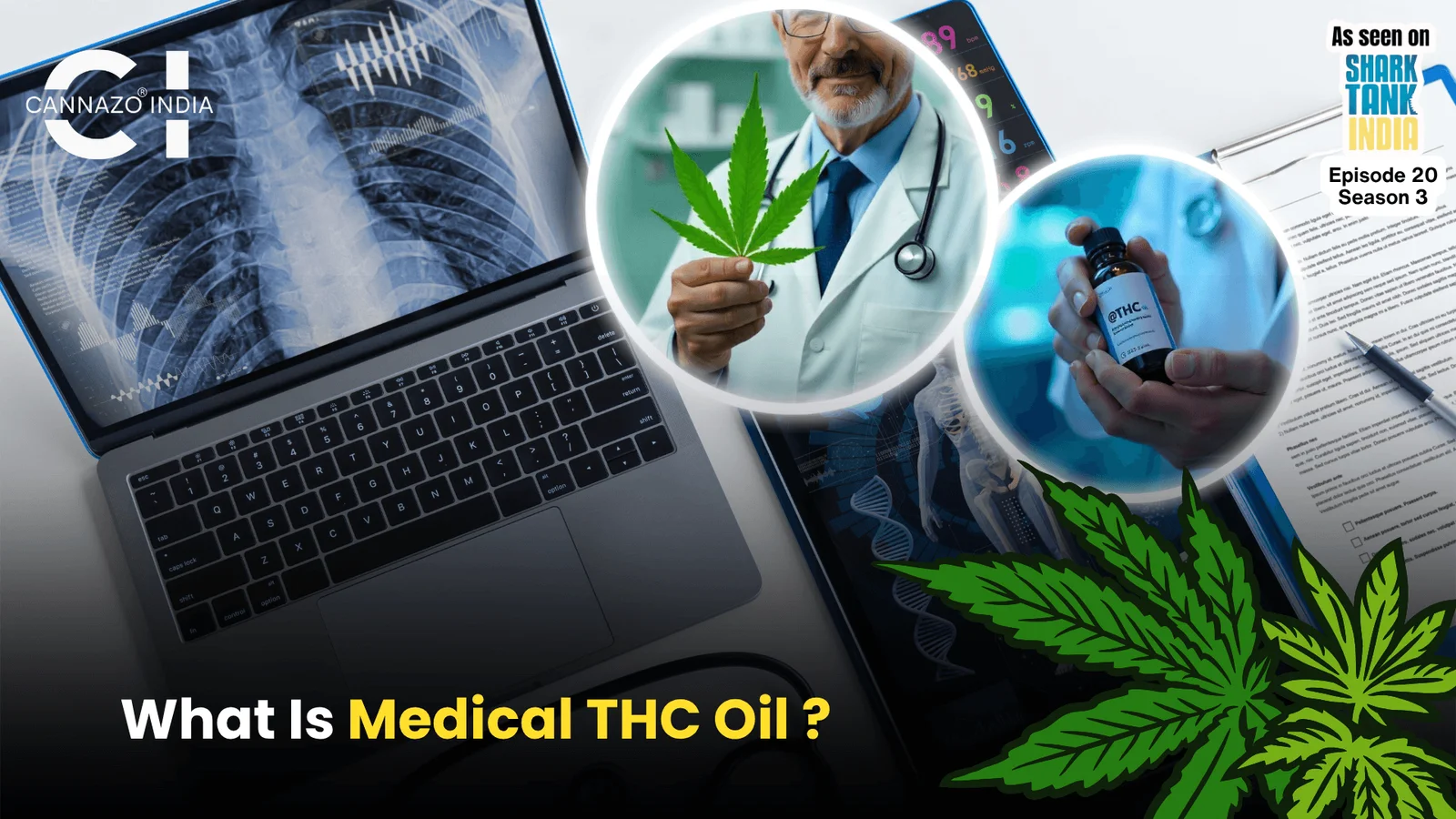
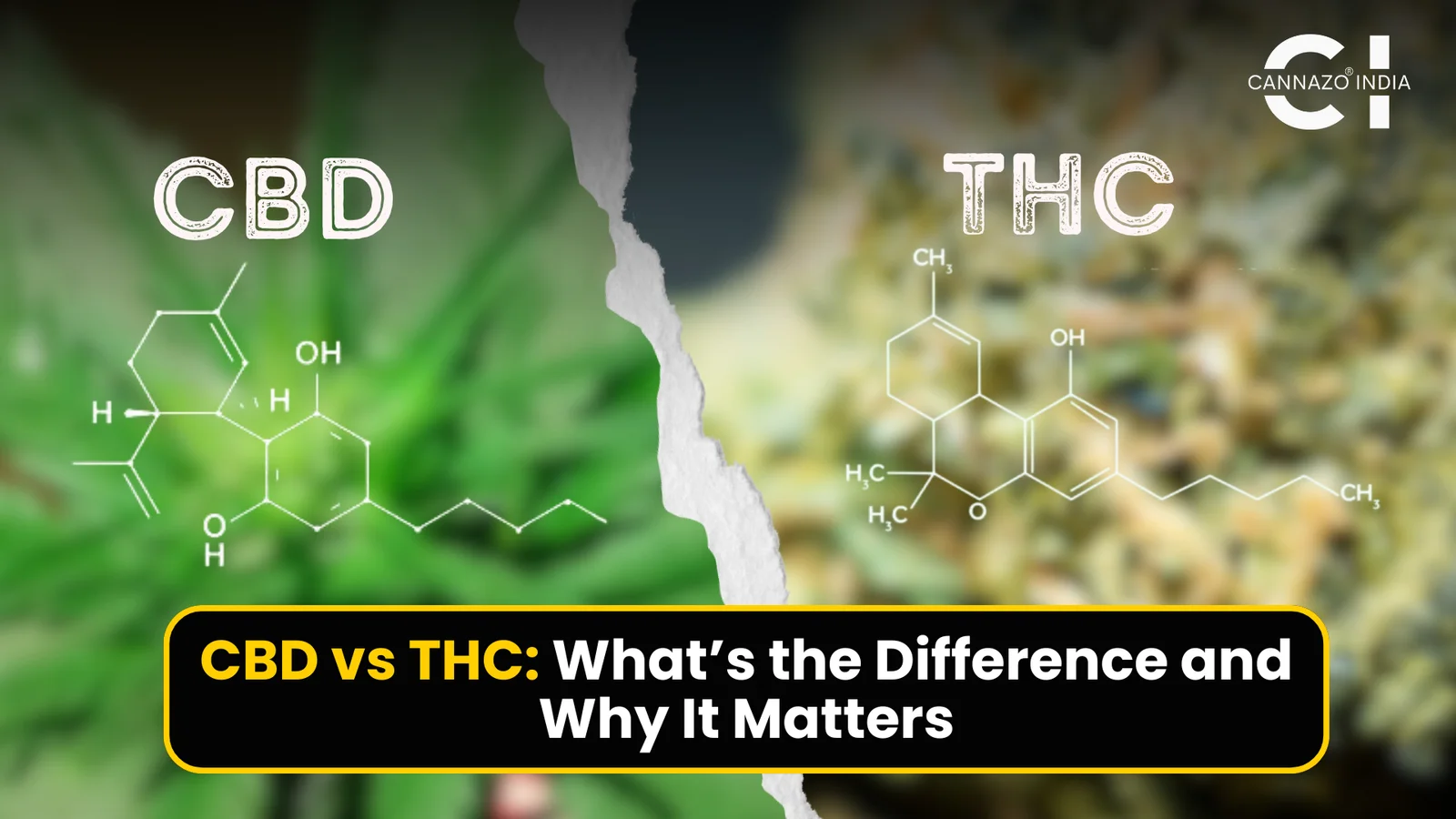
Medical cannabis refers to cannabis plant parts or extracts used therapeutically, distinct from recreational use, targeting conditions like pain, nausea, and inflammation. Key compounds include CBD (non-psychoactive, anti-inflammatory) and THC (psychoactive in higher doses, pain-relieving), often combined in oils, tinctures, or edibles from hemp (low-THC) or regulated cannabis.
Unlike street cannabis, medical versions undergo quality testing for purity, dosage accuracy, and contaminant-free production, ensuring safety under supervision. In India, formulations like Ayurvedic Vijaya-based tablets qualify if compliant.
How It Works in the Body
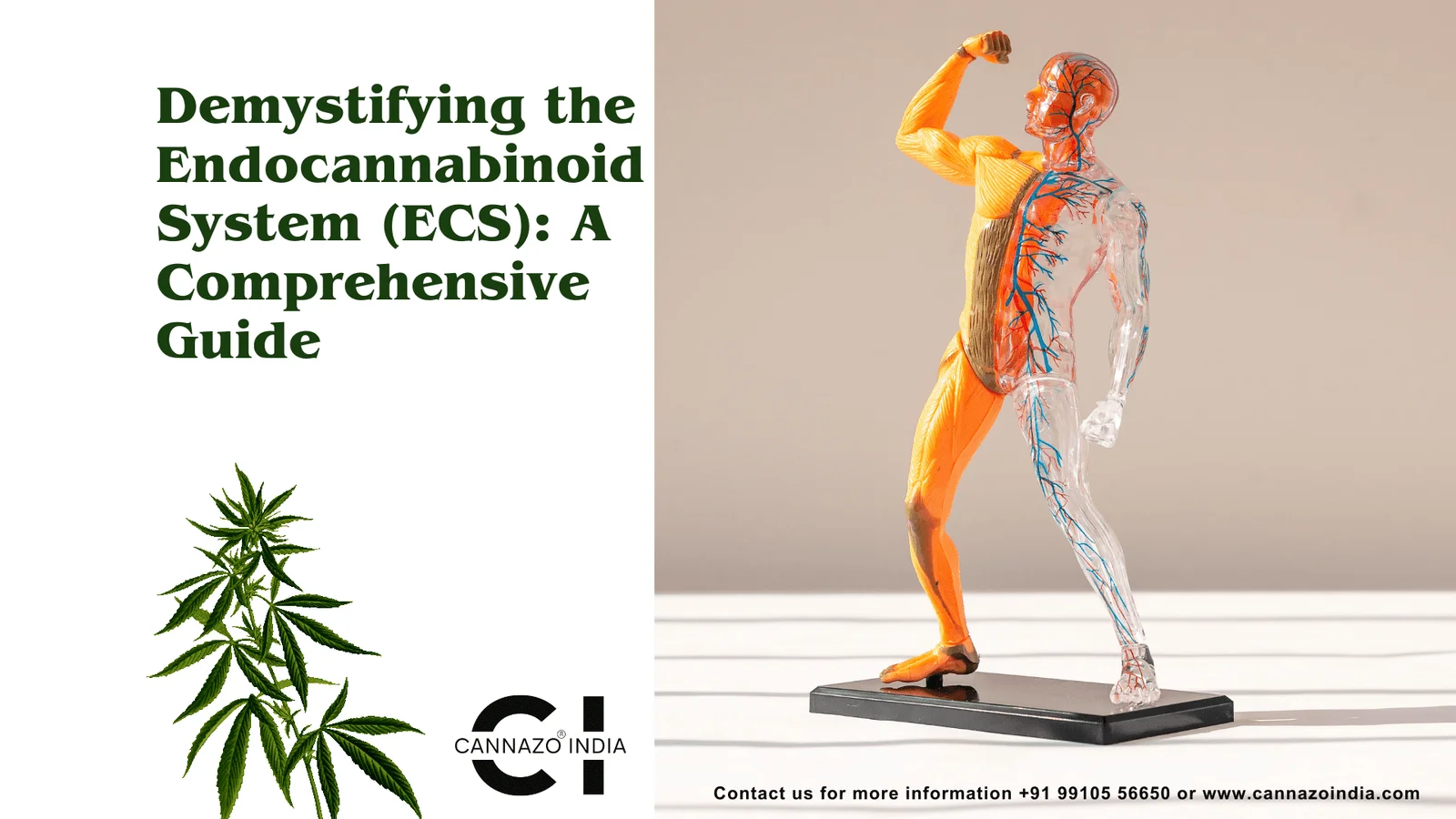
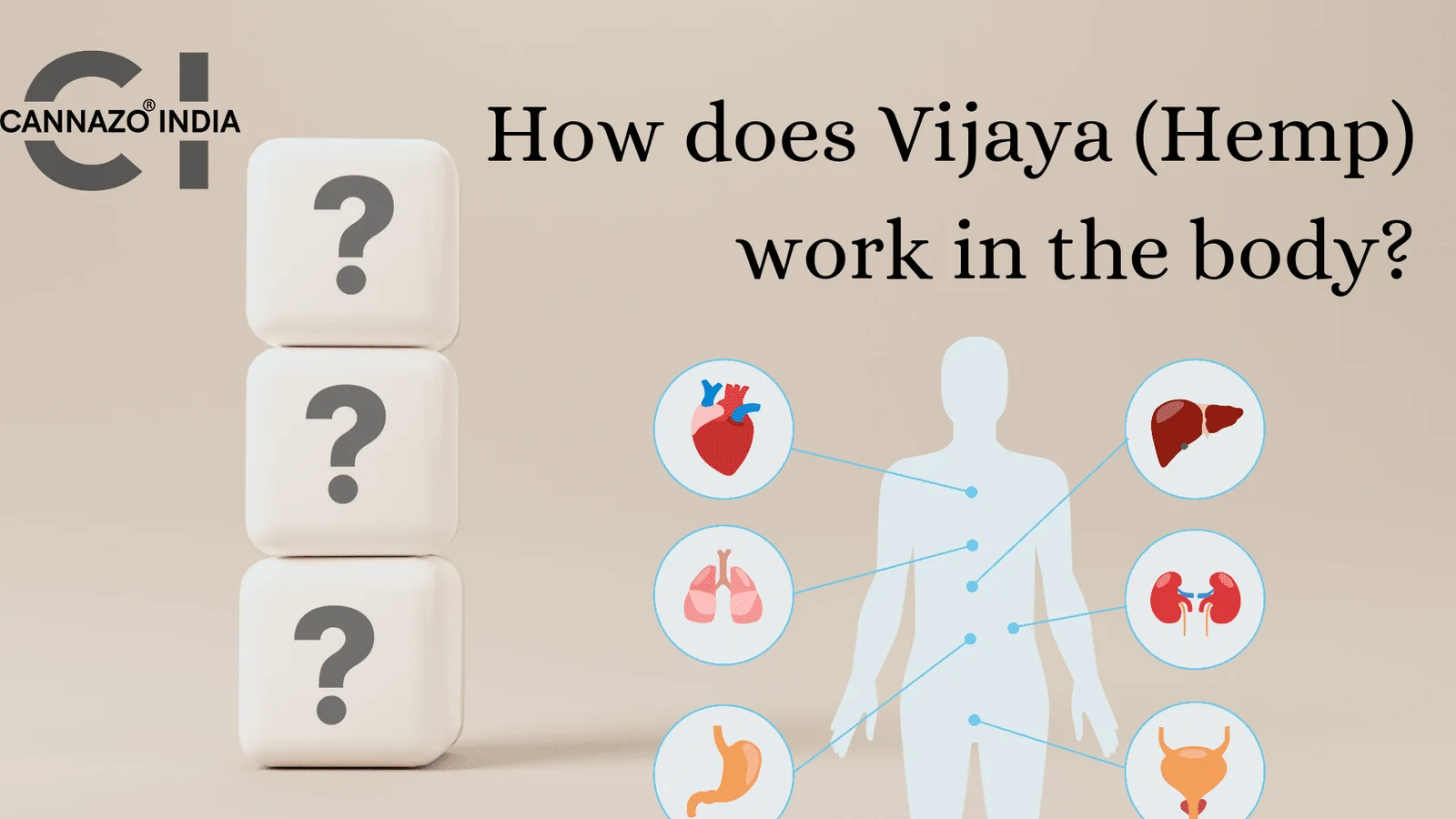
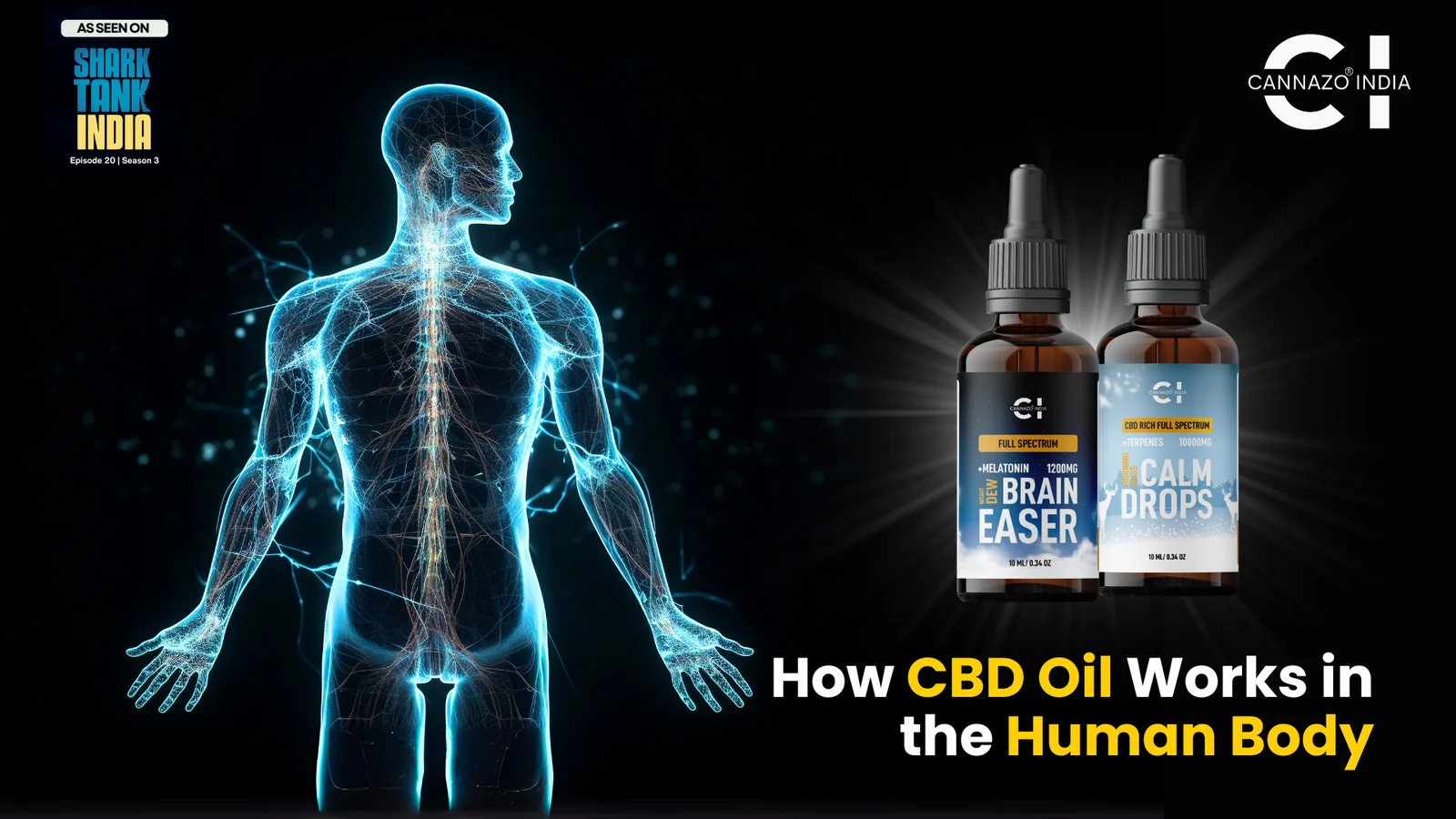
Medical cannabis interacts with the endocannabinoid system (ECS), a network of receptors (CB1 in brain, CB2 in immune cells) regulating pain, mood, appetite, and immunity. Endocannabinoids like anandamide bind these; plant cannabinoids mimic them, THC activates CB1 for euphoria and analgesia, CBD modulates without intoxication, enhancing overall balance.
This “entourage effect” from full-spectrum products amplifies benefits via terpenes and flavonoids, aiding chemotherapy nausea or multiple sclerosis spasms. Long-term studies show no elevated serious risks versus controls, though non-serious effects like dry mouth occur.
Historical Context in India
Cannabis, or “Vijaya,” features in ancient texts like the Atharva Veda (1400 BC) as a sacred plant for pain, inflammation, and sedation. Ayurveda classifies it as balya (strengthening), used in formulations like Trailokya Vijaya Vati for neurological health and anxiety.
Bhang (leaves) was culturally integrated during festivals, while colonial-era laws like the 1894 Indian Hemp Drugs Commission noted medicinal value before the NDPS Act restrictions. Today, AYUSH recognises low-THC hemp for traditional remedies.
Legal Status Today
India’s NDPS Act 1985 bans recreational cannabis but allows medical, scientific, and industrial use with state permissions; flowering tops/resin are narcotic, but leaves/stems are permitted. Hemp-derived CBD (<0.3% THC) is legal under the Drugs and Cosmetics Act if licensed, lab-tested, and supervised.
States like Uttarakhand permit cultivation; oral medicines need prescriptions, and topicals may be OTC. No full ban exists, the government affirmed medical use in the 2022 Delhi High Court. Doctors can prescribe compliant products, though stigma limits practice.
Opportunities Ahead
India’s medical cannabis market, valued at USD 1.3B in FY2024, eyes USD 4.7B by FY2032 (17% CAGR), driven by chronic disease prevalence (cancer, arthritis) and Ayurveda demand. Export potential rises as low-cost producer; insurance integration and trials could mainstream it.
Hemp farming creates jobs in rural areas; innovations like CBD-Ayurvedic blends tap wellness tourism. Rising awareness post-2020 reforms positions India as a global supplier.
Opportunity
Potential Impact
Market Growth
USD 4.7B by 2032
Job Creation
Hemp cultivation in states like UP, Uttarakhand
Export/Research
Biotech strains for pharma
Ayurveda Fusion
Vijaya formulations
Key Challenges
Regulatory ambiguity hampers progress, overlapping NDPS/AYUSH rules confuse licensing, imports face high tariffs. Stigma portrays cannabis as illicit, deterring doctors and patients despite evidence.
Limited clinical trials, high costs, and quality control issues persist; interstate variations add hurdles. Education gaps among professionals slow adoption.
Challenge
Description
Regulations
Unclear national framework
Stigma
Public/healthcare misconceptions
Access/Cost
Expensive imports, no insurance
Research
A few India-specific trials
Global Comparisons
India lags mature markets: Canada (full recreational/medical legalisation, homegrown allowed) leads production/export. Germany imports heavily for prescriptions (cancer, MS). Israel pioneered research/export, with standardised dosing.
India mirrors hemp-focused models like Australia (doctor-approved imports) but needs a unified policy like Colombia’s (medicinal since 2016). Global trend: 50+ countries allow medical use, emphasising evidence-based regulation.
Country
Legal Scope
Key Strength
India
Hemp CBD <0.3% THC, state permits
Ayurveda history
Canada
Full access, exports
Mature market
Germany
Prescriptions, imports
Insurance coverage
Israel
Research leader
Clinical trials
FAQ
Is medical cannabis legal in India? Yes, for medical use via NDPS exemptions—low-THC hemp products with licenses.
Can doctors prescribe it? Yes, registered practitioners can for compliant products under supervision.
Is CBD oil the same as medical cannabis? No—CBD is non-psychoactive subset; medical cannabis includes THC blends for broader effects.
Is it safe long-term? Cohort studies show no serious risks versus non-users for chronic pain, but monitor side effects with guidance.
Ayesha Qazi, a Bachelor of Pharmacy graduate from NMIMS Mumbai, is known for her creativity. She has extensive experience in writing research papers, review articles, and reports. She has also worked with research and development teams, contributing to various projects. Currently, she is exploring opportunities in pharmaceutical marketing and management.