














Table of Contents
Introduction
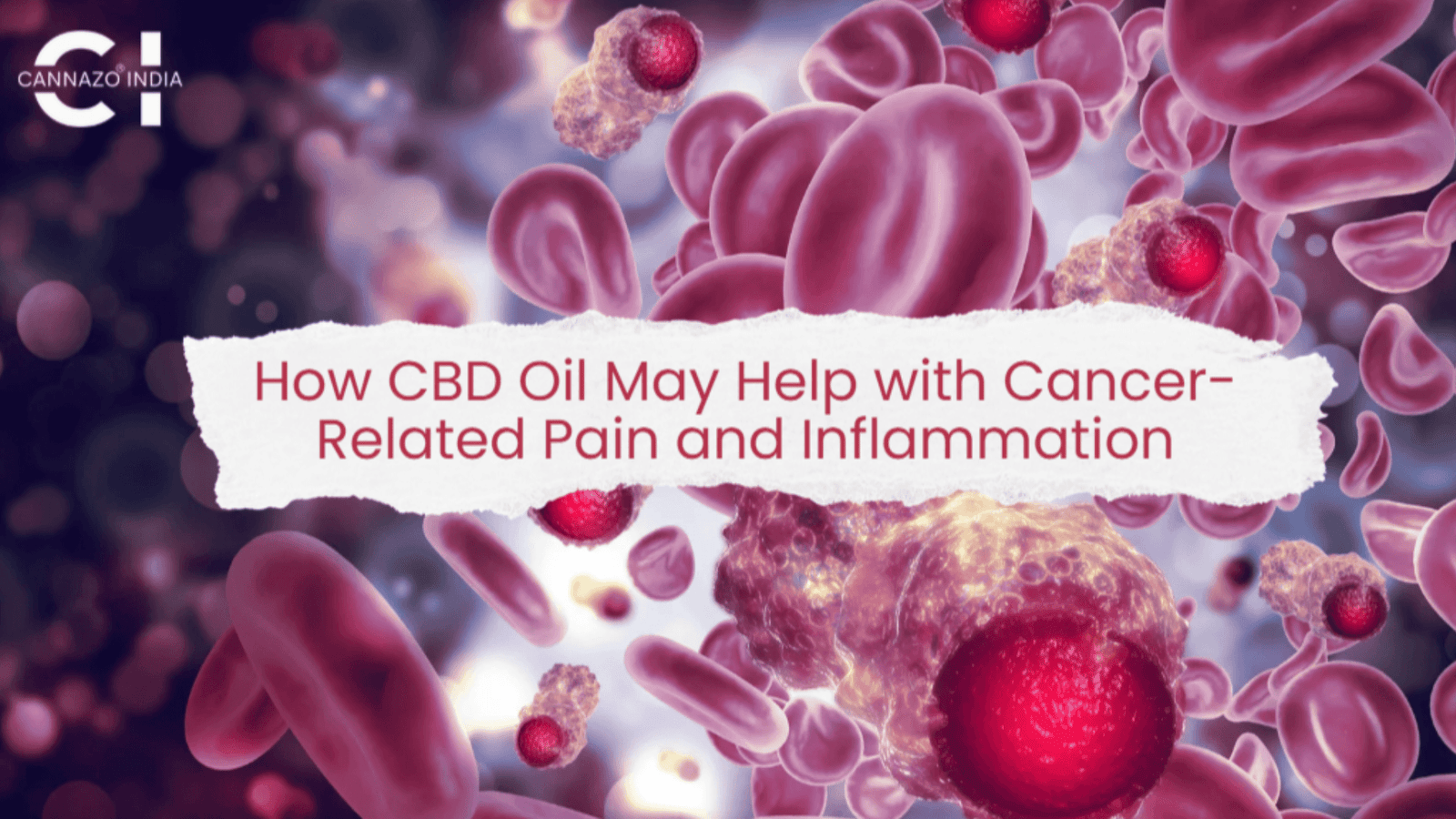
Cancer-related pain and inflammation are among the most challenging symptoms faced by patients. Conventional treatments often have limitations or side effects. In recent years, cannabidiol (CBD) oil has gained significant interest as a complementary option for cancer symptom management. This blog explores what CBD oil is, its legal status in India, how it may help with cancer pain and inflammation, scientific insights, clinical case studies, safe usage, and where to buy quality products in India.
What Is CBD Oil and Is It Legal in India?
CBD, or cannabidiol, is a non-intoxicating compound extracted from the Cannabis sativa plant, primarily known for its therapeutic potential without the psychoactive effects of THC. In India, CBD oil is legal but strictly regulated. It must be derived from hemp (not cannabis with significant THC), containing less than 0.3% THC. According to the Narcotic Drugs and Psychotropic Substances (NDPS) Act and the Drugs and Cosmetics Act, CBD is allowed for medicinal purposes only, often requiring a prescription or medical oversight. Licensed manufacturers produce it under strict quality and safety standards. Consumers should always verify lab-tested products to ensure compliance with Indian law and safety protocols. [1],[4]
CBD Oil for Cancer: How It May Help
Patients with cancer often suffer from chronic pain and debilitating inflammation resulting from the disease itself or side effects of treatments like chemotherapy and radiation. CBD oil has been studied for its analgesic and anti-inflammatory effects, making it a promising adjunct in cancer care. CBD acts on the body's endocannabinoid system (ECS), which regulates pain, inflammation, mood, and immune function. By modulating ECS receptors and other molecular pathways, CBD may reduce pain perception, suppress inflammatory responses, and improve overall comfort, potentially enhancing patients' quality of life.[5],[6]
Understanding Cancer Pain and Inflammation
Cancer pain is complex, often involving nociceptive, neuropathic, and inflammatory components. Tumors can directly invade tissues or nerves causing persistent pain signals, while cancer treatments may cause nerve damage and inflammation. Inflammation contributes to tumor growth and pain sensitization by releasing cytokines and immune cells in the tumor microenvironment. Managing this multifactorial pain is critical yet difficult with traditional opioids or anti-inflammatory drugs alone, due to limited efficacy and side effects.[5],[6]
Benefits of CBD
CBD oil is most commonly used to help manage symptoms associated with cancer and its treatments, such as:
- Nausea and Vomiting: Chemotherapy often causes severe nausea and vomiting. CBD, especially when combined with THC, may help reduce these symptoms when standard antiemetic drugs are insufficient.[6],[7]
- Pain Relief: Cancer and its treatments can lead to chronic pain, sometimes resistant to opioids. CBD may alter pain perception and provide relief, though evidence is still emerging. [6]
- Loss of Appetite: Some studies suggest cannabinoids can stimulate appetite, which is crucial for patients experiencing weight loss and cachexia. [6]
- Sleep Problems: CBD may help improve sleep disturbances related to cancer pain or anxiety.[7]
- Anxiety and Stress: While evidence is limited, some patients report reduced anxiety and improved mood with CBD use.[7]
The Science Behind CBD Oil for Cancer Relief
Preclinical and clinical studies have shown multiple potential mechanisms by which CBD may exert anti-cancer and symptom-relieving effects:
- CBD can induce apoptosis (programmed cell death) and inhibit proliferation in several cancer cell types including breast, lung, and glioblastoma.
- It modulates the tumor microenvironment, reducing pro-inflammatory cytokines and immune suppression that promote tumor growth and pain.
- CBD inhibits angiogenesis (formation of new blood vessels), limiting tumor nutrient supply.
- Through the ECS and other receptor interactions (e.g., TRPV1), CBD reduces pain signaling and inflammation.
- It may also protect against chemotherapy-induced nerve damage and oral mucositis (mouth sores).
Although most evidence comes from animal models and cell studies, early clinical data and patient reports suggest symptomatic relief in pain, anxiety, nausea, and sleep disturbances related to cancer and its treatment. [5],[6]
Clinical Research & Case Studies
Research highlights include:
- Several observational studies indicate medical cannabis, including CBD, effectively reduces cancer pain when used alongside opioids, enabling lower doses and fewer side effects.
- Case reports document improved pain control, reduced inflammation, and enhanced quality of life in cancer patients using CBD oil.
- Clinical trials are ongoing to determine optimal dosing, safety, and efficacy parameters for cancer symptom management.
- Importantly, CBD does not produce the “high” associated with THC, reducing concerns about cognitive impairment.
Medical experts emphasize that more rigorous, large-scale trials are needed, but current evidence supports the potential role of CBD as part of integrated cancer care. [5]
Where to Buy CBD Oil in India for Cancer Support
Due to legal regulations, buy CBD Oil in India requires caution:
- Only buy hemp-derived CBD with below 0.3% THC, ideally with third-party lab certifications.
- Seek reputable products sold through licensed manufacturers complying with the NDPS and Drugs and Cosmetics Acts.
- Online platforms like ItsHemp provide access to a wide range of certified CBD oils tested for purity and legal compliance.
- Always consult a registered medical practitioner before starting CBD usage, especially for cancer patients, to ensure safety and monitor interactions with other treatments.[1]
How to Use CBD Oil for Cancer-Related Symptoms
CBD oil can be administered in various forms, sublingual drops, capsules, edibles, or topical applications, depending on the symptom targeted:
- Start with low doses to assess tolerance.
- Use consistent dosing schedules as recommended by healthcare providers.
- Consult Your Oncologist
- Always discuss CBD oil use with your cancer care team before starting. They can help assess potential benefits, risks, and interactions with your treatment plan.[1],[2]
- Start Low, Go Slow
- Begin with a low dose and increase gradually as needed, monitoring for side effects.[4]
- Monitor for Side Effects
- Keep a symptom diary and report any adverse effects to your healthcare provider.
- Choose Quality Products
- Use products from state-regulated dispensaries or those with third-party lab testing to ensure purity and accurate dosing.[2]
- Avoid High Doses
- Do not exceed 300 mg of CBD per day unless under medical supervision.[3]
- Do Not Replace Standard Treatment
- CBD oil should not be used as a substitute for evidence-based cancer therapies.[1]
Patient education and medical supervision are essential components for safe and effective CBD use in cancer care. [5]
Is CBD Oil Safe for Cancer Patients?
CBD oil is generally well tolerated with a favorable safety profile. Side effects, if any, tend to be mild and include dry mouth, fatigue, and gastrointestinal discomfort. CBD may interact with certain chemotherapy drugs by affecting liver enzymes, necessitating medical oversight. Due to variations in product quality, sourcing CBD from trusted, lab-tested products is critical. Pregnant or breastfeeding women and patients with liver disease should avoid CBD unless advised otherwise by a physician. [5],[6]
| Myth | Fact |
| CBD cures cancer. | There is no evidence that CBD cures cancer. It may help manage symptoms but is not a cure [1] |
| All CBD products are safe and effective. | Quality varies widely. Only use products from reputable sources and consult your doctor.[2] |
| CBD can be used without medical supervision. | Always involve your healthcare team to avoid interactions and side effects127. |
Conclusion
CBD oil offers promising complementary benefits for managing cancer-related pain and inflammation through its multi-mechanistic actions on the endocannabinoid system and tumor microenvironment. While it is legal in India under regulated conditions, obtaining quality products and medical guidance is essential. Growing scientific evidence and patient experiences indicate CBD could enhance cancer symptom relief and quality of life when integrated with conventional treatments. Ongoing research will provide clearer protocols and understanding, but the current landscape encourages cautious optimism for CBD oil as part of comprehensive cancer care.
Key Takeaways:
- CBD oil may help manage cancer-related symptoms but is not a cure.
- Always consult your cancer care team before using CBD oil.
- Use only high-quality, regulated products.
- Monitor for side effects and report them to your healthcare provider.
- Do not use CBD oil as a replacement for standard cancer treatments.
For the most up-to-date information and personalized advice, always speak directly with your healthcare team.
References
- Gandhi, R. (2025, May 2). CBD Oil Is Legal in India — But Under These Conditions. Hempbuti. https://www.hempbuti.in/blogs/news/cbd-oil-is-legal-in-india
- Hempstrol. (2025, March 26). Important Tips To Follow While You Buy CBD Oil In India. Hempstrol.com; Hempstrol. https://www.hempstrol.com/important-tips-to-follow-while-you-buy-cbd-oil-in-india
- Dr. Parul. (2024, November 24). Is CBD Oil Legal in India? Qurist. https://qurist.in/blogs/news/is-cbd-oil-legal-in-india
- Food Safety and Standards Authority of India (FSSAI) & MoA formulates regulations for “Ayurveda Aahara” products. (2022). Pib.gov.in. https://pib.gov.in/PressReleaseIframePage.aspx?PRID=1824783
- Hempstrol. (2024, June 14). Recommended Methods For The Identification And Analysis Of CBD Oil Products In India. Hempstrol.com; Hempstrol. https://www.hempstrol.com/cbd-blog-india/recommended-methods-for-the-identification-and-analysis-of-cbd-oil-products-in-india
- CBD for cancer: Possible benefits, side effects, and more. (2021, May 4). www.medicalnewstoday.com. https://www.medicalnewstoday.com/articles/324745
- Cannabis and Cancer: Are Marijuana & CBD Safe for Patients? (2025, April 8). City of Hope. https://www.cancercenter.com/community/blog/2025/04/cannabis-and-cancer


Comments
The opinions expressed here are the views of the writer and do not necessarily reflect the views and opinions of Cannazo India.