Apply Code: CANNAZO10 & Get 10% OFF on Your Order! Feel the Balance — Use Code BERBERINE20 for 20% Off On Liposomal Berberine
Apply Code: CANNAZO10 & Get 10% OFF on Your Order! Feel the Balance — Use Code BERBERINE20 for 20% Off On Liposomal Berberine
Apply Code: CANNAZO10 & Get 10% OFF on Your Order! Feel the Balance — Use Code BERBERINE20 for 20% Off On Liposomal Berberine
Apply Code: CANNAZO10 & Get 10% OFF on Your Order! Feel the Balance — Use Code BERBERINE20 for 20% Off On Liposomal Berberine
Apply Code: CANNAZO10 & Get 10% OFF on Your Order! Feel the Balance — Use Code BERBERINE20 for 20% Off On Liposomal Berberine
Apply Code: CANNAZO10 & Get 10% OFF on Your Order! Feel the Balance — Use Code BERBERINE20 for 20% Off On Liposomal Berberine
Apply Code: CANNAZO10 & Get 10% OFF on Your Order! Feel the Balance — Use Code BERBERINE20 for 20% Off On Liposomal Berberine
Apply Code: CANNAZO10 & Get 10% OFF on Your Order! Feel the Balance — Use Code BERBERINE20 for 20% Off On Liposomal Berberine
Apply Code: CANNAZO10 & Get 10% OFF on Your Order! Feel the Balance — Use Code BERBERINE20 for 20% Off On Liposomal Berberine
Apply Code: CANNAZO10 & Get 10% OFF on Your Order! Feel the Balance — Use Code BERBERINE20 for 20% Off On Liposomal Berberine
Apply Code: CANNAZO10 & Get 10% OFF on Your Order! Feel the Balance — Use Code BERBERINE20 for 20% Off On Liposomal Berberine
Apply Code: CANNAZO10 & Get 10% OFF on Your Order! Feel the Balance — Use Code BERBERINE20 for 20% Off On Liposomal Berberine
Ayesha Qazi, a Bachelor of Pharmacy graduate from NMIMS Mumbai, is known for her creativity. She has extensive experience in writing research papers, review articles, and reports. She has also worked with research and development teams, contributing to various projects. Currently, she is exploring opportunities in pharmaceutical marketing and management.
In India, interest in CBD is growing in 2025, but people still worry about legality, safety, and whether these products genuinely work or are just another wellness trend. This blog breaks down how bruises form, how CBD interacts with bruised tissue, what research says, and how to use CBD safely and legally in the Indian context.
How Bruises Form
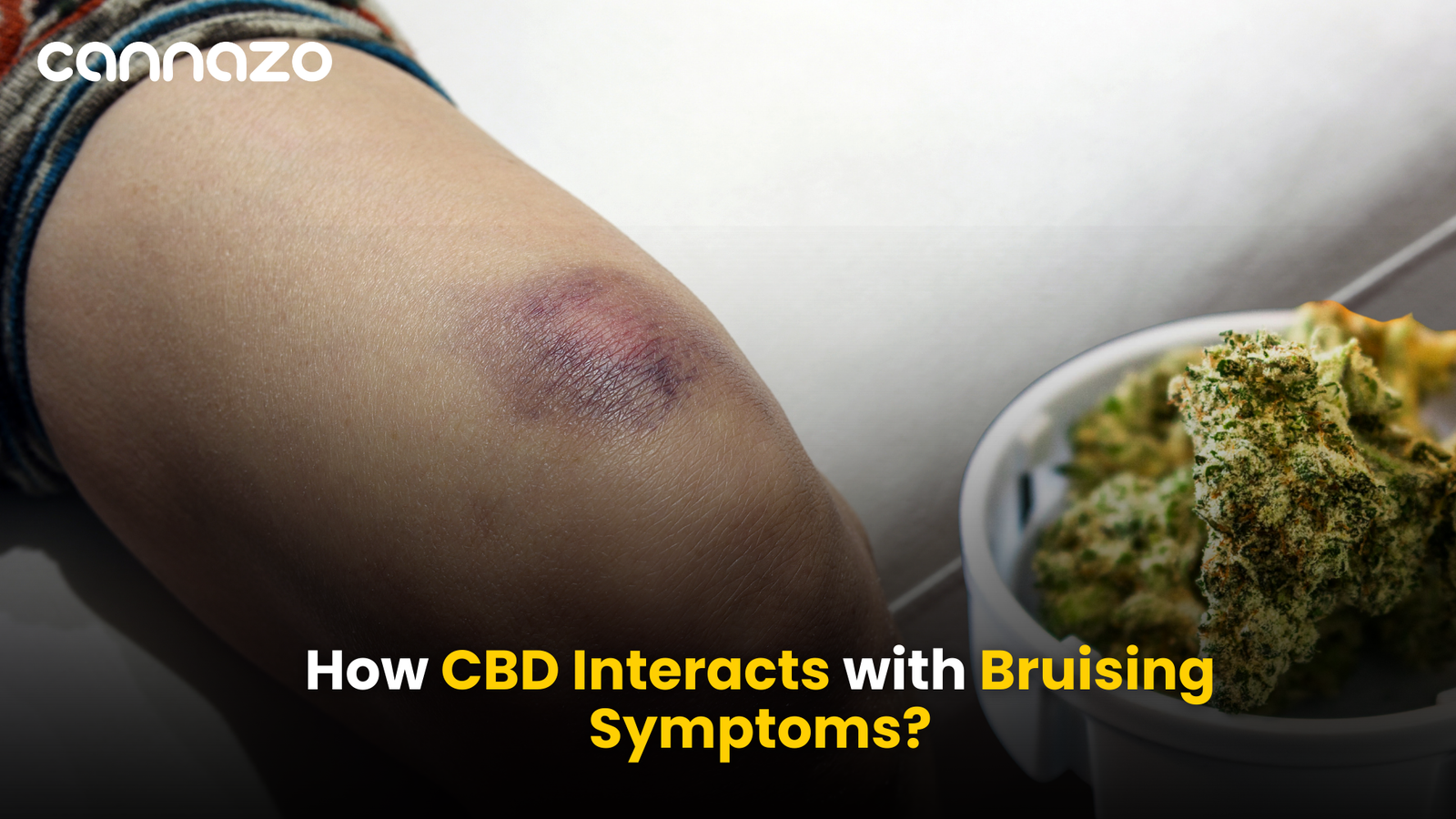
A bruise appears when tiny blood vessels (capillaries) under the skin break due to blunt impact, allowing blood to leak into surrounding tissue. This trapped blood causes the familiar blue-purple discoloration and tenderness in the first few days. The body then gradually reabsorbs this pooled blood through inflammatory and healing processes, which is why bruise colour shifts from purple or blue to green, yellow, and finally light brown before clearing. Inflammation is central to this process: immune cells rush to the site, releasing cytokines that can increase swelling and discomfort while initiating tissue repair.
How CBD Interacts With Bruising Symptoms
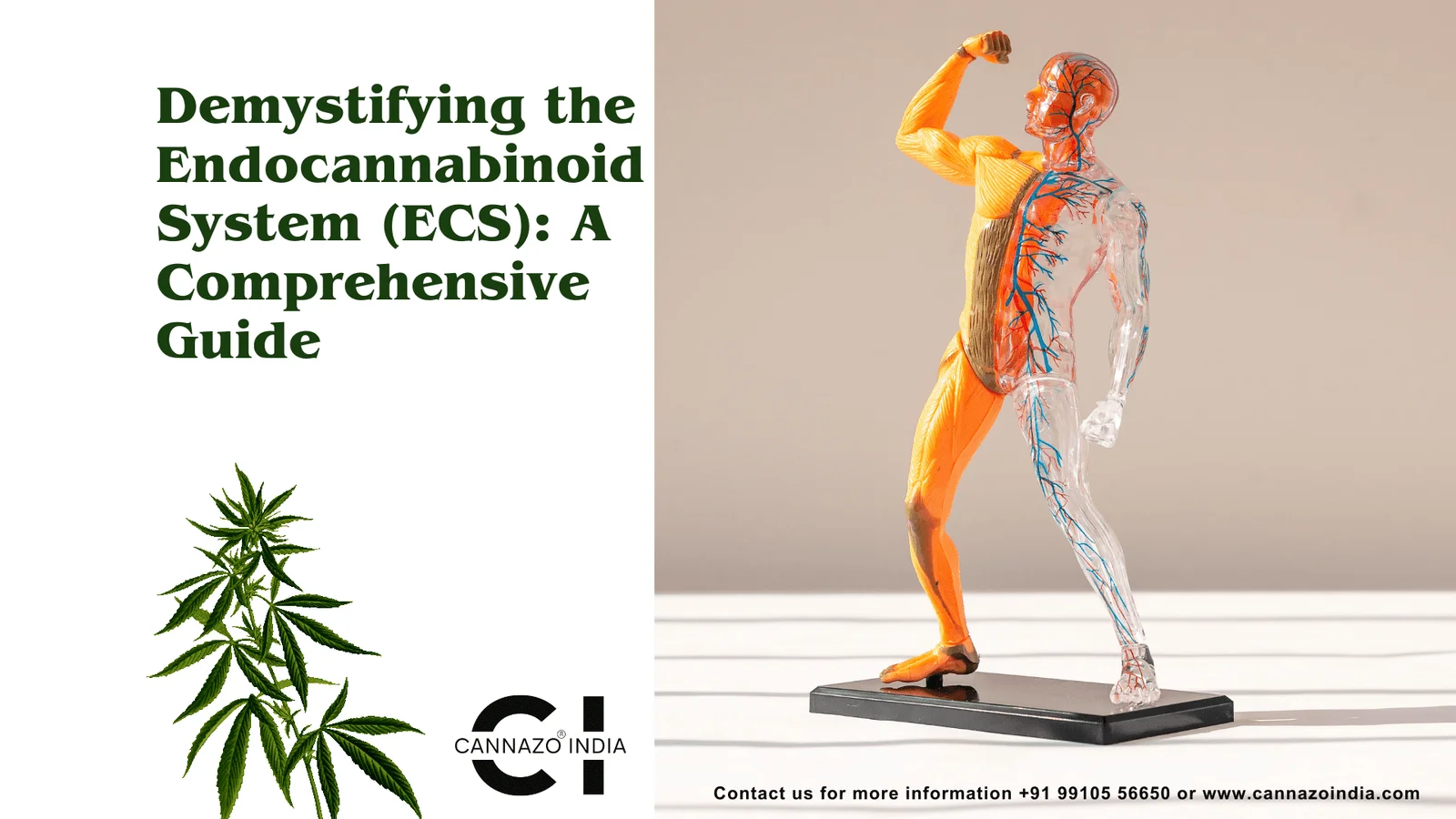
CBD (cannabidiol) works by interacting with the body’s endocannabinoid system (ECS), which helps regulate pain, inflammation, immune responses, and skin homeostasis. In the skin, ECS receptors and related pathways are present in keratinocytes, fibroblasts, immune cells, and nerve endings. Preclinical and mechanistic studies show that CBD and cannabis extracts can reduce pro-inflammatory mediators, modulate NF-κB signalling, and influence wound-healing factors like IL-33, CTGF, and matrix metalloproteinases. This translates into:
Reduced local inflammation and swelling around injured tissue
Potentially improved cutaneous wound healing and tissue remodelling
Analgesic effects via TRP channels and other receptors, which may lessen bruise-related pain.
When To Use CBD For Bruises
CBD is best positioned as an adjunct for mild to moderate, everyday bruises, not as emergency care for serious trauma. Consider CBD in situations like:
Minor sports injuries (kicks, falls, impact from equipment)
Everyday bumps from daily activities, gym, or travel
Tender bruises after blood tests or IV insertions
For basic bruise care, first-line measures remain:
Cold compresses during the first 24–48 hours to limit bleeding and swelling
Elevation of the injured limb if possible
Rest and avoiding repeated trauma to the area
CBD topicals (balm, cream, oil) may then be layered on to support local comfort and recovery once the initial acute phase has settled or alongside cold therapy as long as the skin is intact. Avoid CBD directly on broken skin, active wounds, or infected areas unless a clinician explicitly advises it.
Seek medical care urgently if:
Bruises appear without clear injury
Bruises are very large, extremely painful, or accompanied by swelling in a joint
You are on blood thinners or have a bleeding/clotting disorder
Bruises are associated with dizziness, severe trauma, or suspected fracture.(1),(3)
What Does The Research Say?
There are currently no large, high-quality human trials examining CBD specifically for simple bruises, so any claim that it “treats bruises” directly would be overstated. However, there is growing evidence around CBD and wound healing, inflammation, and skin conditions that indirectly supports its use for bruise-related symptoms.
Key findings from recent literature include:
A standardized Cannabis sativa extract and CBD inhibited inflammatory mediators in human skin cells, acting via NF-κB and altering IL-8, VEGF, and MMP-9, all involved in skin inflammation and repair.
Experimental mouse models show that topical CBD can influence wound closure rates, immune profiles, and connective tissue growth factor expression, suggesting potential for improved cutaneous healing in certain settings.
A 2024 systematic review on cannabinoids in integumentary wound care found that cannabinoids can modulate keratinocyte proliferation, reduce pro-inflammatory cytokines, adjust macrophage polarization, and support wound healing.
Reviews of topical CBD in skin pathology highlight its anti-inflammatory, analgesic, antioxidant, and moisturizing properties across conditions like dermatitis, scars, and chronic wounds.
Topical vs Oral CBD For Bruises
For bruises, the route of administration matters.
Practical comparison
Aspect
Topical CBD (creams, balms, oils)
Oral CBD (drops, capsules)
Primary target
Local skin and subcutaneous tissue at bruise site.Relatively quick local effect; minutes to an hour.
Systemic ECS modulation across body.
Onset
Relatively quick local effect; minutes to an hour.
Slower onset (30–90 minutes) due to digestion and metabolism.
Best use case
Local pain, tenderness, swelling of a specific bruise.
General pain, anxiety, sleep issues plus bruising tendency.
Systemic side effects
Minimal (low systemic absorption).
Possible drowsiness, GI upset, drug–drug interactions.
Evidence base
Growing data in skin inflammation/wound care, but limited direct bruise trials.
Better studied for chronic pain, epilepsy, anxiety; not bruise-specific.
For most people, topical CBD makes the most practical sense for bruises: you deliver the compound exactly where it is needed, keep systemic exposure low, and can combine it with other bruise-friendly botanicals like arnica or menthol. Oral CBD might be reasonable if you already use it for chronic pain, insomnia, or anxiety and want potential secondary benefits for bruising, but it should be guided by a medical practitioner, especially in India where prescriptions are often recommended.
How To Use CBD Topically For Bruises
While protocols vary by product strength, most guides suggest a simple, consistent application routine.
General steps:
Check the skin: Ensure the skin is not broken, bleeding, or infected before applying CBD products.
Apply cold first: For fresh bruises, use ice wrapped in cloth for 10–15 minutes, then dry the area and apply CBD balm or oil around the bruise (not on actively frozen skin).
Use a small amount: Gently massage a thin layer of CBD cream or oil onto and around the bruise 2–3 times daily, adjusting based on sensitivity.
Combine with rest and elevation: Keep the area elevated where possible and avoid repeated trauma to enhance recovery.
Monitor response: If redness, itching, or irritation develops, stop use and reassess or consult a doctor.
Product Recommendations (India-Focused Guidance)
Individual brands cannot be universally endorsed, but Indian consumers can use the following criteria when choosing CBD for bruises:
Legality and THC content
Prefer products derived from industrial hemp with THC ≤0.3% or clearly labelled THC-free, in line with Indian guidance and NDPS constraints.
Product type
Topical CBD balms, gels, or roll-ons labeled for pain, inflammation, or sports recovery may be suitable for bruises as long as skin is intact.
Full-spectrum or broad-spectrum oils can be used topically (few drops massaged into the bruise) if the carrier oil is skin-safe, like MCT, hempseed, or coconut oil.
Quality and lab testing
Look for:
Third-party lab reports (CoA) showing CBD content, THC level, and absence of heavy metals, pesticides, and microbial contamination.
GMP/AYUSH or equivalent quality certifications where applicable.
Medical guidance and prescription
For oral CBD and THC-containing medical cannabis preparations, consult a registered allopathic or Ayurvedic practitioner, which is also a recommended step under current Indian practice norms. Indian consumers often obtain CBD via online platforms or specialized medical cannabis brands; teleconsultations and WhatsApp-based prescriptions are increasingly common pathways in 2025.
Real User Experiences
Common themes reported include:
Faster fading of bruise colour and reduced swelling when CBD balms are applied within 24–48 hours of injury, sometimes combined with arnica or comfrey.
Noticeable pain relief and less tenderness on touch, especially for shin, thigh, and arm bruises after sports or accidental bumps.
Some users reporting minimal effect on bruise appearance but still appreciating the soothing, warming, or cooling sensation from menthol and essential oils in CBD products.
Risks, Side Effects & Legal Status In India
Side effects and precautions
CBD is generally considered to have a good safety profile, especially when used topically, but side effects can occur. For bruise-oriented use:
Possible topical reactions: Local redness, itching, dryness, or irritation, often due to added fragrances or essential oils rather than CBD itself.
Possible oral side effects:Drowsiness, dry mouth, diarrhea, appetite changes, or liver enzyme alterations, particularly at higher doses.
Drug interactions: Oral CBD may interact with anticoagulants, antiplatelets, antiepileptics, and other drugs metabolised by CYP450 enzymes, which is important for patients who bruise easily due to blood thinners.
Avoid CBD or consult a doctor urgently if extreme.
Legal status in India
In India, CBD legality depends on source, THC content, and product classification:
CBD derived from industrial hemp with THC below about 0.3% and compliant with NDPS and Drugs & Cosmetics frameworks is generally considered legal when marketed appropriately.
CBD oils and extracts with higher THC or positioned as “medical cannabis” usually require medical oversight and, in practice, a prescription from an allopathic or AYUSH practitioner.
Topical CBD in cosmetics and wellness products, particularly hemp-derived with negligible THC, is viewed more leniently and is increasingly available through online channels, though manufacturers still need to follow cosmetic and food/drug regulations.
Conclusion
CBD oil and topicals cannot be described as a cure for bruises but can play a supportive role in managing bruise-related pain, swelling, and skin discomfort by modulating inflammation, ECS pathways, and wound-healing factors. For Indian users, choosing legally compliant, lab-tested hemp-derived CBD products and using them primarily as topical adjuncts, alongside proven first aid measures and medical evaluation when needed, represents a balanced, evidence-informed approach to integrating CBD into bruise care in 2025.
Makhakhe L. Topical cannabidiol (CBD) in skin pathology – A comprehensive review and prospects for new therapeutic opportunities. S Afr Fam Pract (2004). 2022 May 30;64(1):e1-e4. doi: 10.4102/safp.v64i1.5493. PMID: 35695447; PMCID: PMC9210160.
Niyangoda D, Muayad M, Tesfaye W, Bushell M, Ahmad D, Samarawickrema I, Sinclair J, Kebriti S, Maida V, Thomas J. Cannabinoids in Integumentary Wound Care: A Systematic Review of Emerging Preclinical and Clinical Evidence. Pharmaceutics. 2024 Aug 17;16(8):1081. doi: 10.3390/pharmaceutics16081081. PMID: 39204426; PMCID: PMC11359183.
Ayesha Qazi, a Bachelor of Pharmacy graduate from NMIMS Mumbai, is known for her creativity. She has extensive experience in writing research papers, review articles, and reports. She has also worked with research and development teams, contributing to various projects. Currently, she is exploring opportunities in pharmaceutical marketing and management.