Apply Code: CANNAZO10 & Get 10% OFF on Your Order! Feel the Balance — Use Code BERBERINE20 for 20% Off On Liposomal Berberine
Apply Code: CANNAZO10 & Get 10% OFF on Your Order! Feel the Balance — Use Code BERBERINE20 for 20% Off On Liposomal Berberine
Apply Code: CANNAZO10 & Get 10% OFF on Your Order! Feel the Balance — Use Code BERBERINE20 for 20% Off On Liposomal Berberine
Apply Code: CANNAZO10 & Get 10% OFF on Your Order! Feel the Balance — Use Code BERBERINE20 for 20% Off On Liposomal Berberine
Apply Code: CANNAZO10 & Get 10% OFF on Your Order! Feel the Balance — Use Code BERBERINE20 for 20% Off On Liposomal Berberine
Apply Code: CANNAZO10 & Get 10% OFF on Your Order! Feel the Balance — Use Code BERBERINE20 for 20% Off On Liposomal Berberine
Apply Code: CANNAZO10 & Get 10% OFF on Your Order! Feel the Balance — Use Code BERBERINE20 for 20% Off On Liposomal Berberine
Apply Code: CANNAZO10 & Get 10% OFF on Your Order! Feel the Balance — Use Code BERBERINE20 for 20% Off On Liposomal Berberine
Apply Code: CANNAZO10 & Get 10% OFF on Your Order! Feel the Balance — Use Code BERBERINE20 for 20% Off On Liposomal Berberine
Apply Code: CANNAZO10 & Get 10% OFF on Your Order! Feel the Balance — Use Code BERBERINE20 for 20% Off On Liposomal Berberine
Apply Code: CANNAZO10 & Get 10% OFF on Your Order! Feel the Balance — Use Code BERBERINE20 for 20% Off On Liposomal Berberine
Apply Code: CANNAZO10 & Get 10% OFF on Your Order! Feel the Balance — Use Code BERBERINE20 for 20% Off On Liposomal Berberine
Ayesha Qazi, a Bachelor of Pharmacy graduate from NMIMS Mumbai, is known for her creativity. She has extensive experience in writing research papers, review articles, and reports. She has also worked with research and development teams, contributing to various projects. Currently, she is exploring opportunities in pharmaceutical marketing and management.
CBD oil presents a natural and increasingly popular option for managing pain, easing anxiety, and enhancing general wellness. In India, where interest in holistic and plant-based remedies is growing, CBD offers a gentle alternative without the intoxicating effects of THC.
For beginners, the key is to start with a low dose, monitor your body’s response, and adjust gradually. Choosing the right method—whether it’s sublingual drops, capsules, or topical applications, can also impact how effective it is for your specific needs.
It’s always advisable to consult a healthcare professional, especially if you have medical conditions or are taking other medications. With careful use and patience, CBD oil can become a valuable part of your daily wellness routine.
What Is CBD Oil?
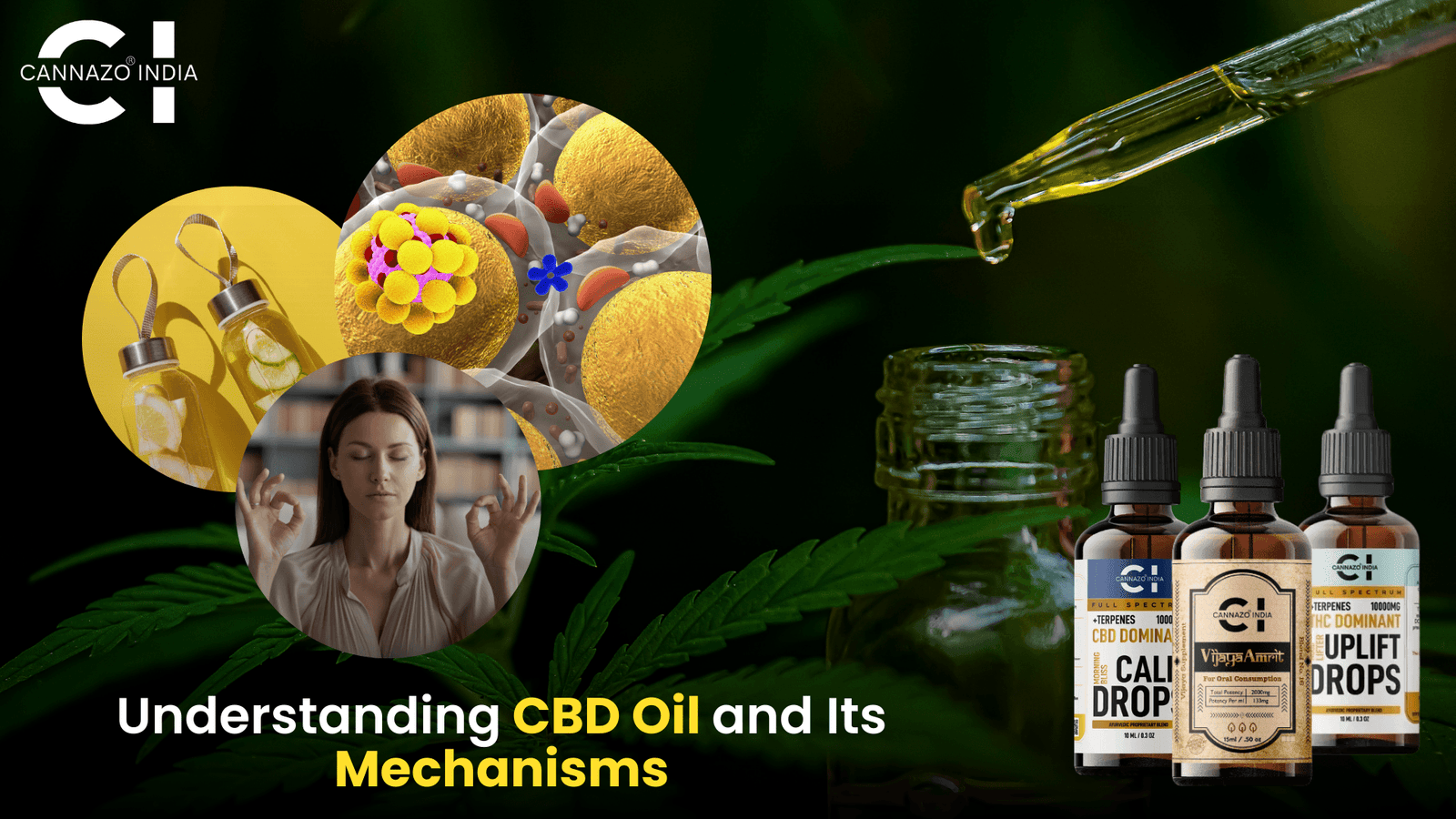
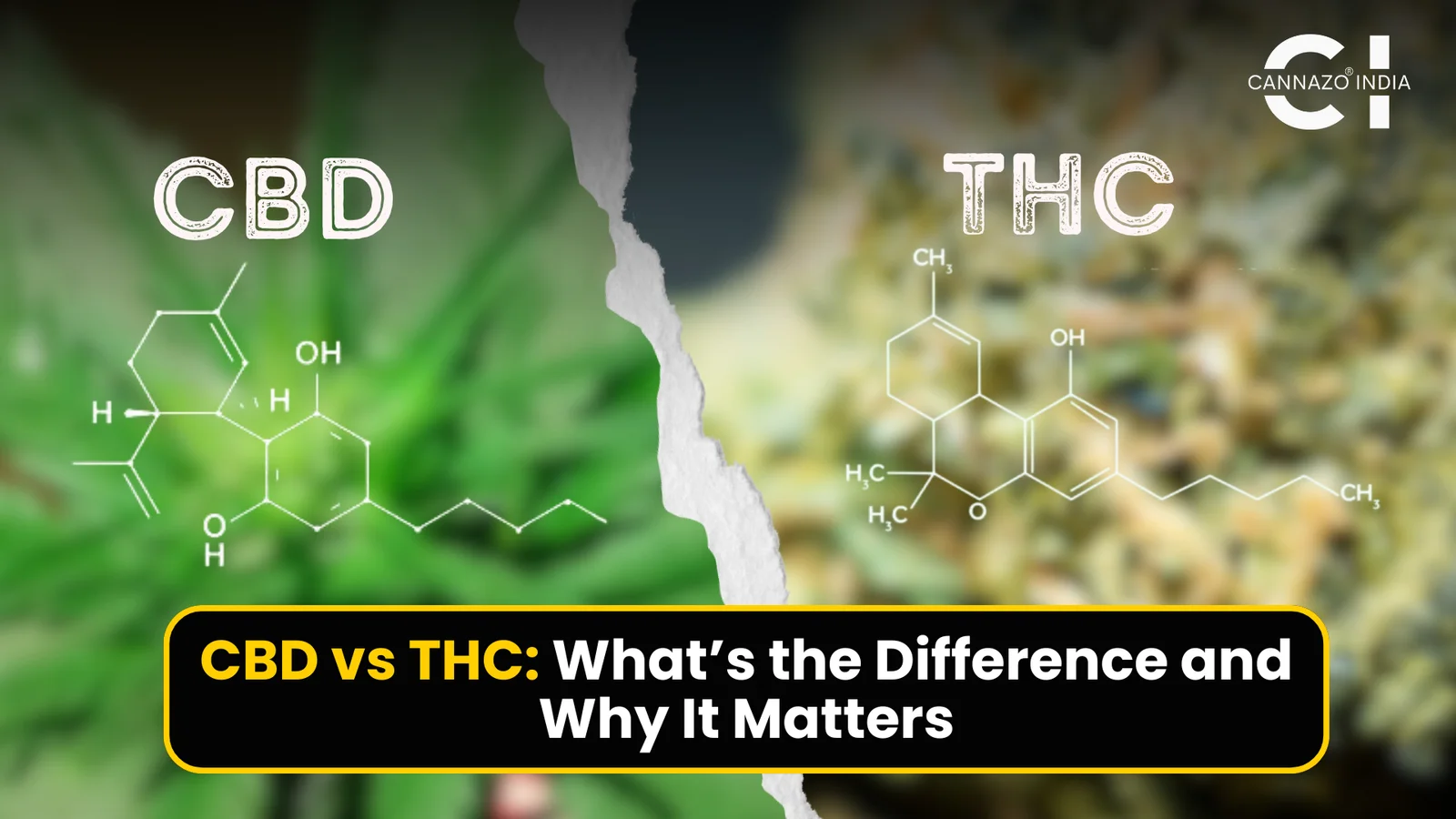
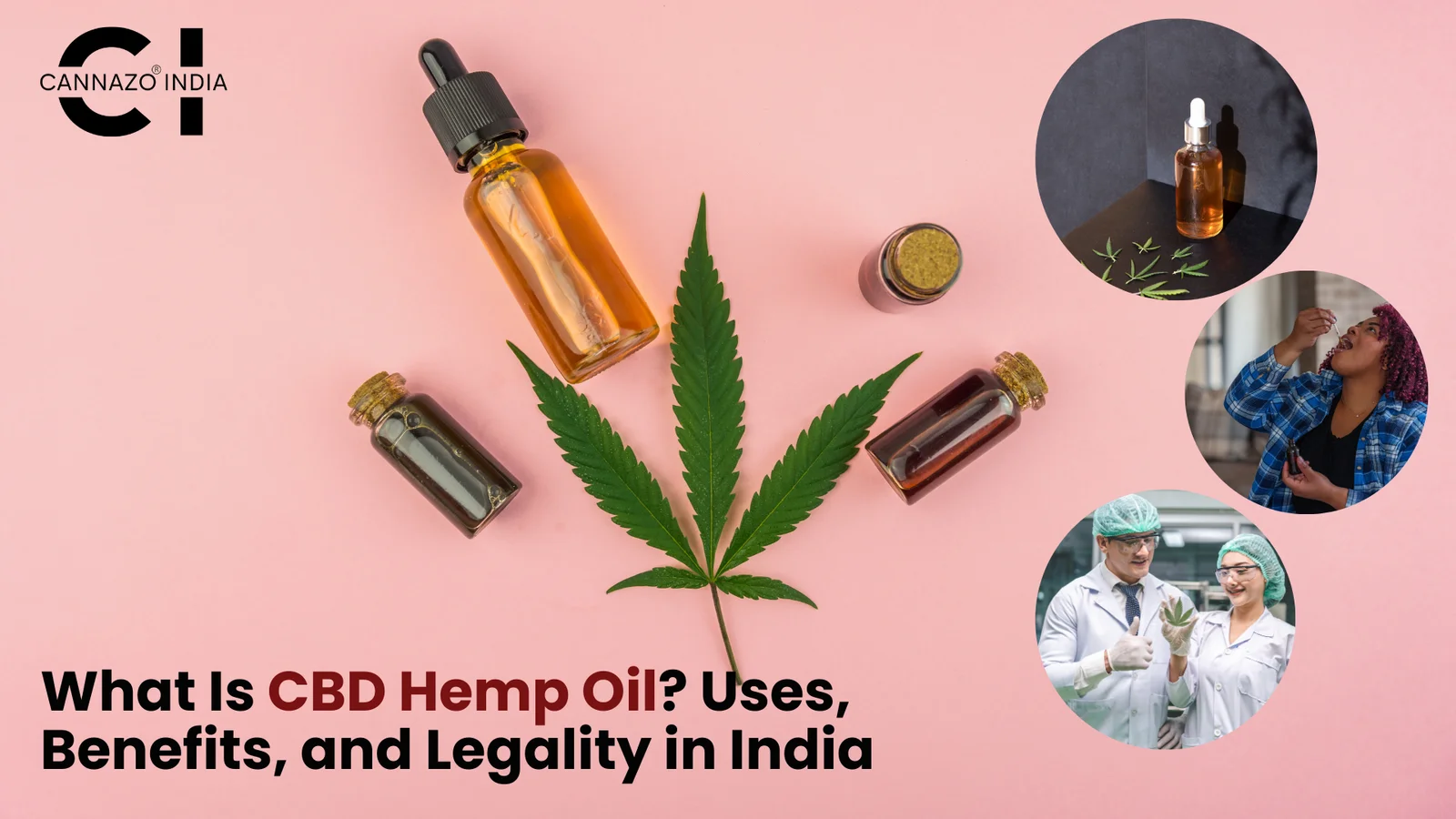
CBD (cannabidiol) oil is a natural, plant-based extract derived primarily from the hemp variety of the Cannabis sativa plant. It is typically blended with a carrier oil such as coconut oil, olive oil, or hemp seed oil to improve its absorption and ease of use. Unlike THC (tetrahydrocannabinol)—the primary psychoactive component of cannabis—CBD does not produce any intoxicating or euphoric effects. This makes it a popular option for individuals seeking the therapeutic benefits of cannabis without experiencing a “high.”
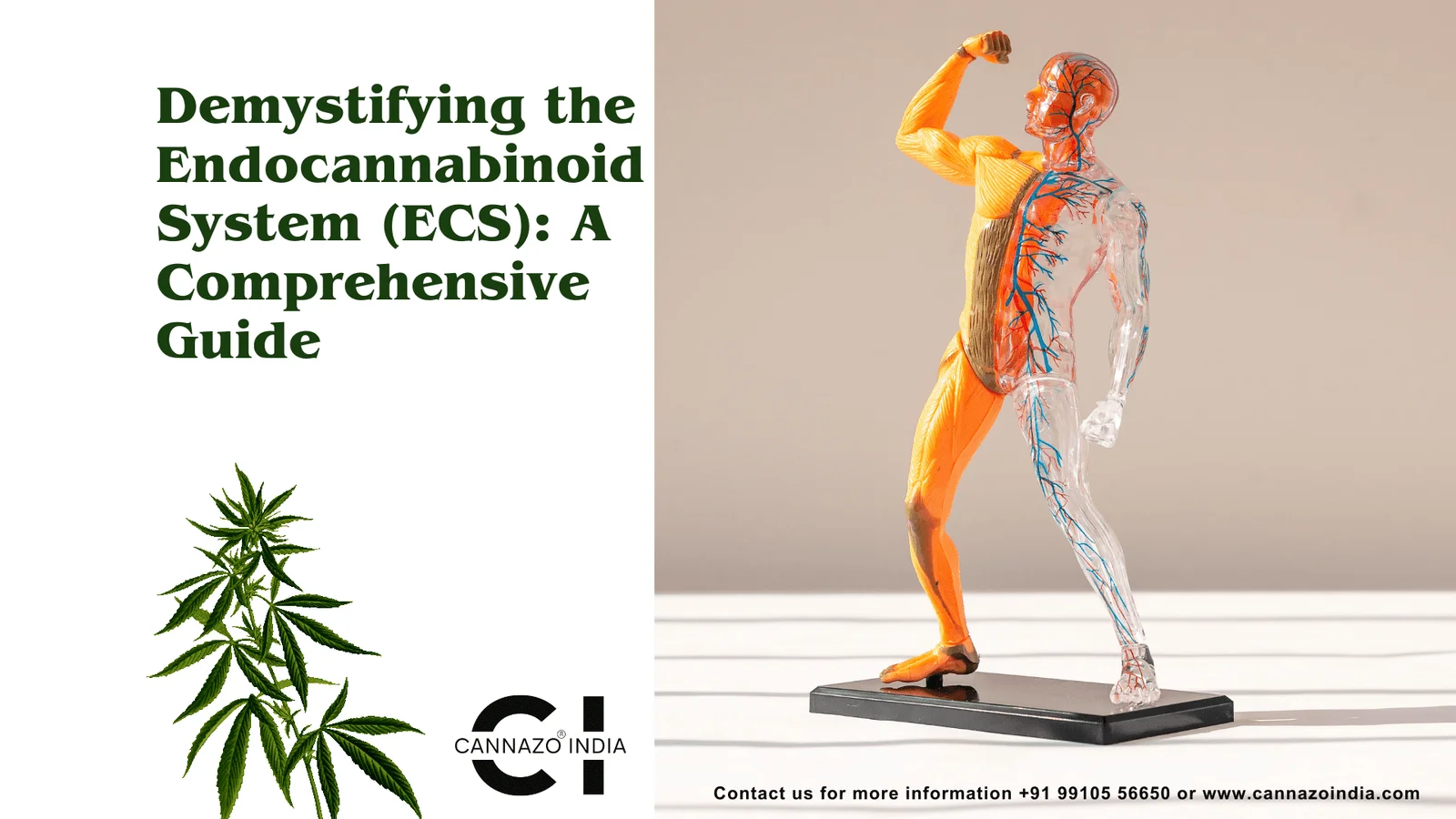
CBD interacts with the body’s endocannabinoid system (ECS), which plays a role in regulating various physiological processes including mood, sleep, pain perception, inflammation, and immune response. As a result, CBD oil is used for a wide range of wellness and medical purposes, including anxiety relief, chronic pain management, seizure reduction in certain epileptic conditions, and improving sleep quality.
In India, the legal framework around CBD is evolving. CBD oil derived from industrial hemp that contains less than 0.3% THC is legal under certain conditions and can be sold as Ayurvedic or wellness products. These products must be approved by the AYUSH Ministry or licensed under relevant drug regulations. Most CBD oils legally available in India are hemp-based, non-psychoactive, and imported or manufactured under strict quality control measures.
However, it is essential for consumers to check the product’s source, THC content, and certification to ensure compliance with Indian law. As awareness grows and more research supports its potential benefits, CBD oil continues to gain popularity in the Indian wellness and medical landscape.[1],
Why People Use CBD Oil
BD oil has gained widespread attention for its potential therapeutic benefits, leading many individuals to incorporate it into their wellness routines. Though research is still ongoing, both scientific studies and anecdotal evidence suggest a variety of uses:
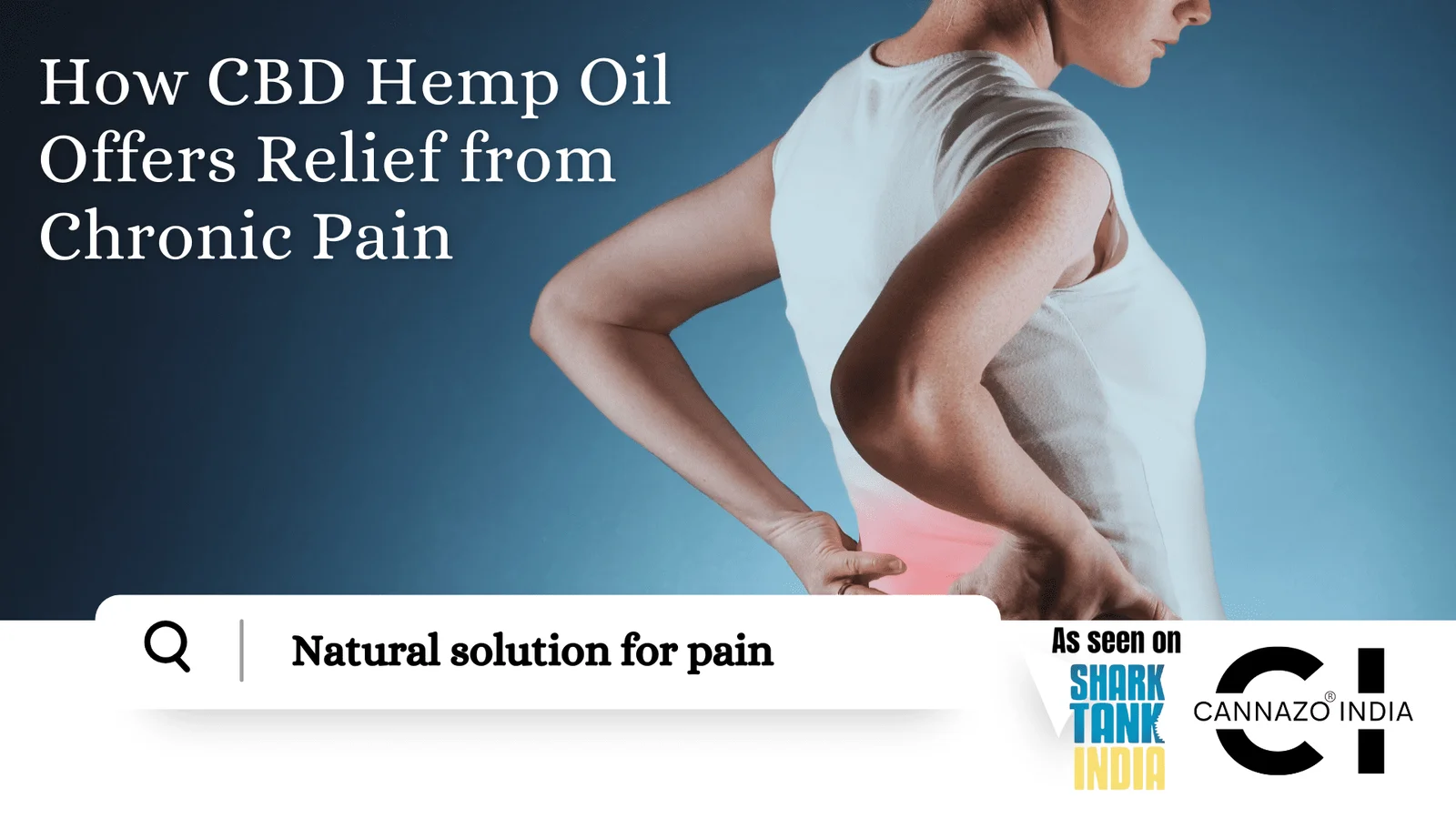
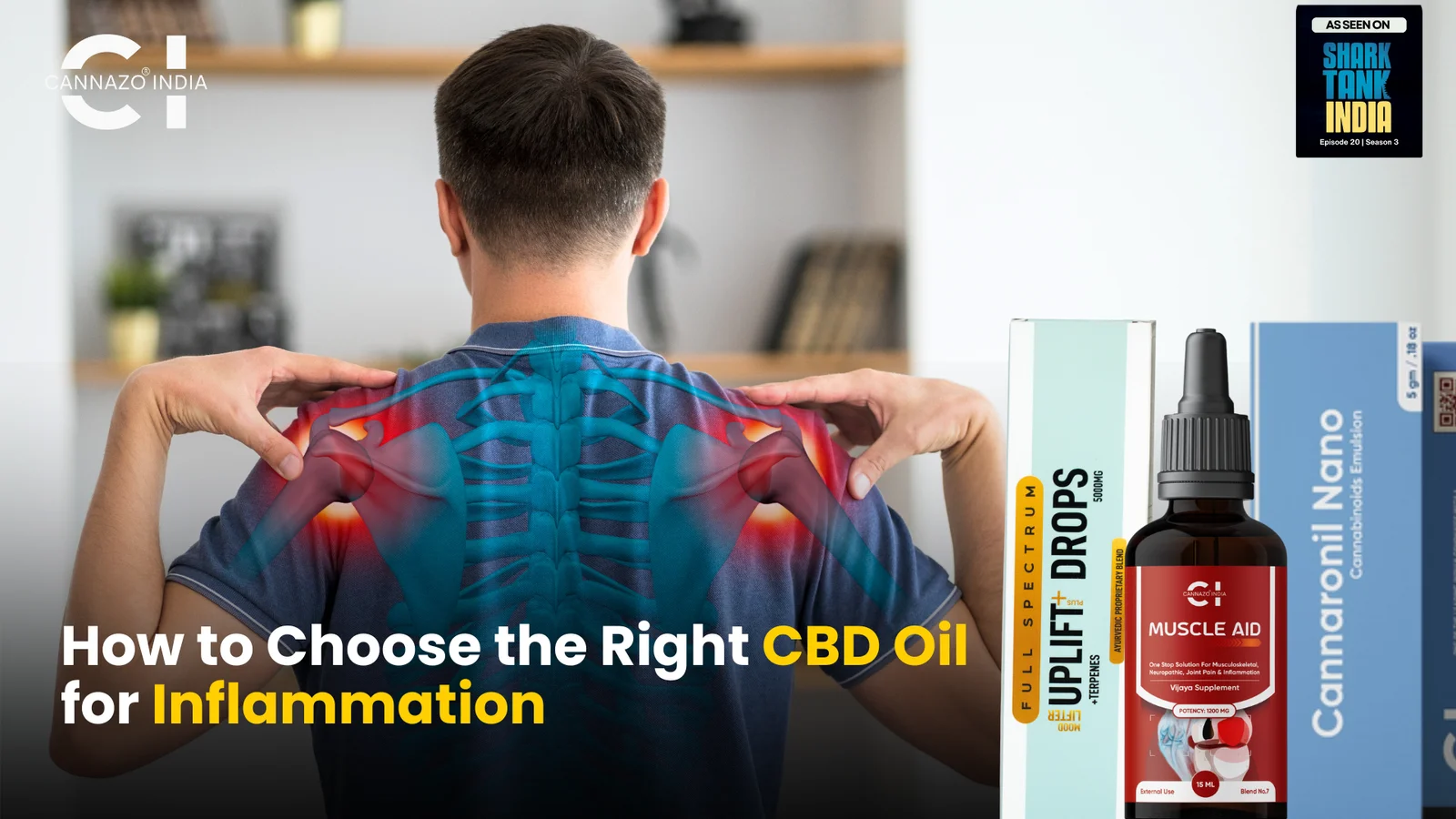
Pain Relief: One of the most common reasons people turn to CBD oil is to help manage chronic pain. CBD interacts with the body’s endocannabinoid system (ECS)—a network of receptors and neurotransmitters that helps regulate functions such as pain perception, inflammation, and immune response. By influencing these receptors, CBD may reduce inflammation and blunt pain signals, making it a promising option for those dealing with arthritis, neuropathy, or post-injury discomfort.
Anxiety and Stress Reduction: Preliminary research indicates that CBD may have calming effects on the central nervous system. It may help regulate serotonin levels in the brain, which play a key role in mood and emotional health. Many users report feeling more relaxed and less anxious after using CBD, which has led to its use as a natural alternative to traditional anti-anxiety medications, especially for generalized anxiety disorder and social anxiety.
Sleep Support: Poor sleep can be linked to pain, stress, or insomnia. CBD may help improve sleep quality by addressing the root causes of sleep disturbances. It’s believed to promote relaxation, reduce nighttime anxiety, and possibly extend the duration of deep sleep stages. While it’s not a sedative, its calming properties can create the right conditions for restful sleep.
Support for Specific Health Conditions: There is growing interest in CBD as a complementary treatment for various medical conditions. For instance, it has been approved in several countries (including India) for use in treating certain forms of drug-resistant epilepsy, such as Dravet syndrome and Lennox-Gastaut syndrome. Early research is also exploring its potential in managing symptoms of conditions like arthritis, multiple sclerosis, and even inflammatory bowel diseases.[1]
How to Use CBD Oil
CBD oil can be used in several ways, each with its own advantages:
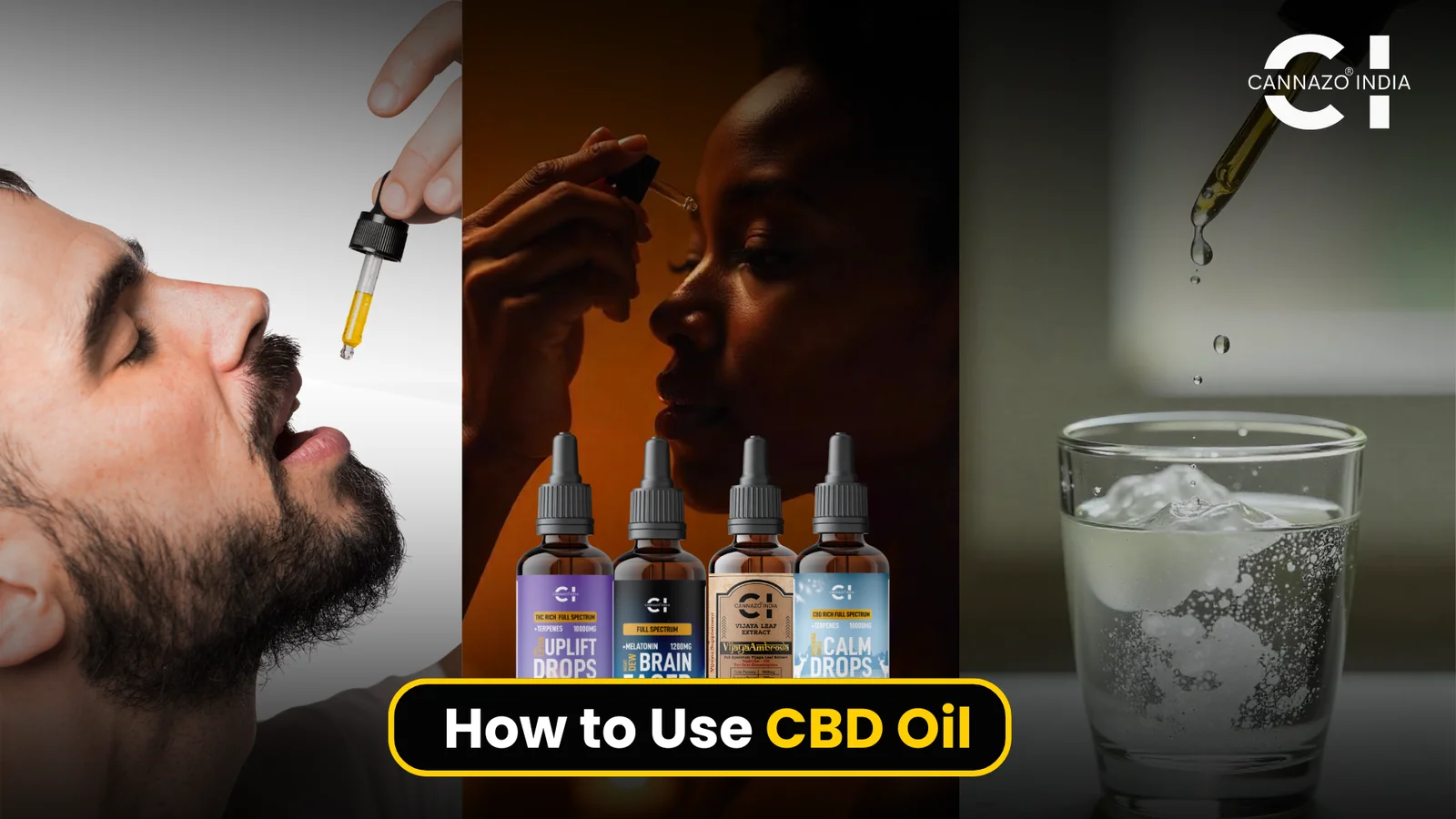
Sublingual (under the tongue): Place drops under your tongue and hold for 30-60 seconds before swallowing. This method allows for faster absorption into the bloodstream.
Oral (capsules or edibles): Swallow CBD capsules or consume edibles for a convenient, pre-measured dose. Effects may take longer to appear as the CBD is processed through the digestive system.
Topical (on the skin): Apply CBD oil directly to the skin for localised relief, such as for joint pain or skin conditions. This method is best for targeted effects and does not produce systemic benefits.
Mixing with food or drink: Add CBD oil to your food or beverages for easy consumption, though absorption may be slower.[3]
What’s the Best Way to Take CBD Oil?
The best method depends on your goals and preferences:
Method
Onset Time
Duration
Best For
Sublingual
15–45 minutes
4–6 hours
Fast, systemic effects
Oral (capsules/edibles)
30–90 minutes
6–8 hours
Convenience, consistent dose
Topical
15–30 minutes
Varies
Localised pain or skin issues
Food/Drink
30–90 minutes
6–8 hours
Taste masking, slow release
For most beginners, sublingual drops offer a balance of fast onset and easy dose adjustment.
How to Determine the Right Dosage
Finding the right CBD oil dosage can be highly individual, as it depends on several personal and biological factors. There is no one-size-fits-all dose, and what works for one person may not be effective for another.
Key factors that influence dosage include:
Body weight: Heavier individuals may require higher doses to experience similar effects.
Metabolism: People with faster metabolisms may process CBD more quickly and may need more frequent or higher doses.
The condition being treated: Dosage can vary depending on whether you’re using CBD for pain, anxiety, sleep, or a chronic health condition.
Individual body chemistry: Everyone’s endocannabinoid system is different, which means responses to CBD can vary significantly.
General guidelines for dosing:
Start low and go slow: Begin with a low dose—typically 5 to 10 mg per day—and slowly increase it every few days, monitoring your body’s response.
Weight-based approach: A common starting point is 1–6 mg of CBD per 10 pounds (or 4.5 kg) of body weight per day.
For pain management: You might begin with 5 mg twice daily and increase the dose by 10 mg every 2–3 days, up to a maximum of around 40 mg per day, depending on your comfort and response.
For anxiety relief: Research studies have examined doses in the 300–600 mg range, but such high amounts should only be used under medical supervision.[1],[2]
How Long Does It Take to Work?
Sublingual: Effects typically begin within 15–45 minutes and last 4–6 hours.
Oral (capsules/edibles): Effects may take 30–90 minutes to appear and can last up to 8 hours.
Topical: Relief may occur within 15–30 minutes, but only in the area applied.
Individual response times vary. Be patient and consistent, as it may take several days to find the right dose and notice benefits.[2]
How to Store CBD Oil Properly
To preserve potency and freshness, store CBD oil:
In a cool, dark place away from direct sunlight and heat
In its original, tightly sealed container
Away from moisture and humidity
Proper storage helps prevent degradation and extends shelf life.
Conclusion
CBD oil offers a promising and natural approach to managing pain, reducing anxiety, and supporting overall wellness. As interest grows in plant-based health solutions across India, CBD is becoming a popular alternative for those seeking relief without the mind-altering effects of THC or the side effects of traditional medications. For beginners, it’s important to start with a low dose, observe how your body responds, and increase gradually as needed. Choosing the right method of consumption—whether it’s sublingual drops, capsules, or topical application—can also make a difference in how effective and convenient CBD is for your specific needs. Consulting a healthcare professional is highly recommended, especially if you have existing medical conditions or are taking other medications. With patience, consistency, and proper guidance, you can find a CBD routine that fits into your lifestyle and helps you meet your wellness goals safely and effectively.
FAQ
Can I take CBD daily? Yes, many people take CBD oil daily for ongoing support, much like a dietary supplement. Consistency is key for the best results. However, consult your doctor before starting daily use, especially if you have health conditions or take medications.
Will it show up on a drug test? Pure CBD will not show up on a standard drug test. However, some CBD oils may contain trace amounts of THC (the psychoactive compound in cannabis). In rare cases, this could trigger a positive result, especially with frequent or high-dose use. To minimise risk, choose products labelled as “THC-free” or “broad-spectrum CBD,” and buy from reputable brands that provide third-party lab reports.
Ayesha Qazi, a Bachelor of Pharmacy graduate from NMIMS Mumbai, is known for her creativity. She has extensive experience in writing research papers, review articles, and reports. She has also worked with research and development teams, contributing to various projects. Currently, she is exploring opportunities in pharmaceutical marketing and management.