Apply Code: CANNAZO10 & Get 10% OFF on Your Order! Feel the Balance — Use Code BERBERINE20 for 20% Off On Liposomal Berberine
Apply Code: CANNAZO10 & Get 10% OFF on Your Order! Feel the Balance — Use Code BERBERINE20 for 20% Off On Liposomal Berberine
Apply Code: CANNAZO10 & Get 10% OFF on Your Order! Feel the Balance — Use Code BERBERINE20 for 20% Off On Liposomal Berberine
Apply Code: CANNAZO10 & Get 10% OFF on Your Order! Feel the Balance — Use Code BERBERINE20 for 20% Off On Liposomal Berberine
Apply Code: CANNAZO10 & Get 10% OFF on Your Order! Feel the Balance — Use Code BERBERINE20 for 20% Off On Liposomal Berberine
Apply Code: CANNAZO10 & Get 10% OFF on Your Order! Feel the Balance — Use Code BERBERINE20 for 20% Off On Liposomal Berberine
Apply Code: CANNAZO10 & Get 10% OFF on Your Order! Feel the Balance — Use Code BERBERINE20 for 20% Off On Liposomal Berberine
Apply Code: CANNAZO10 & Get 10% OFF on Your Order! Feel the Balance — Use Code BERBERINE20 for 20% Off On Liposomal Berberine
Apply Code: CANNAZO10 & Get 10% OFF on Your Order! Feel the Balance — Use Code BERBERINE20 for 20% Off On Liposomal Berberine
Apply Code: CANNAZO10 & Get 10% OFF on Your Order! Feel the Balance — Use Code BERBERINE20 for 20% Off On Liposomal Berberine
Apply Code: CANNAZO10 & Get 10% OFF on Your Order! Feel the Balance — Use Code BERBERINE20 for 20% Off On Liposomal Berberine
Apply Code: CANNAZO10 & Get 10% OFF on Your Order! Feel the Balance — Use Code BERBERINE20 for 20% Off On Liposomal Berberine
Ayesha Qazi, a Bachelor of Pharmacy graduate from NMIMS Mumbai, is known for her creativity. She has extensive experience in writing research papers, review articles, and reports. She has also worked with research and development teams, contributing to various projects. Currently, she is exploring opportunities in pharmaceutical marketing and management.
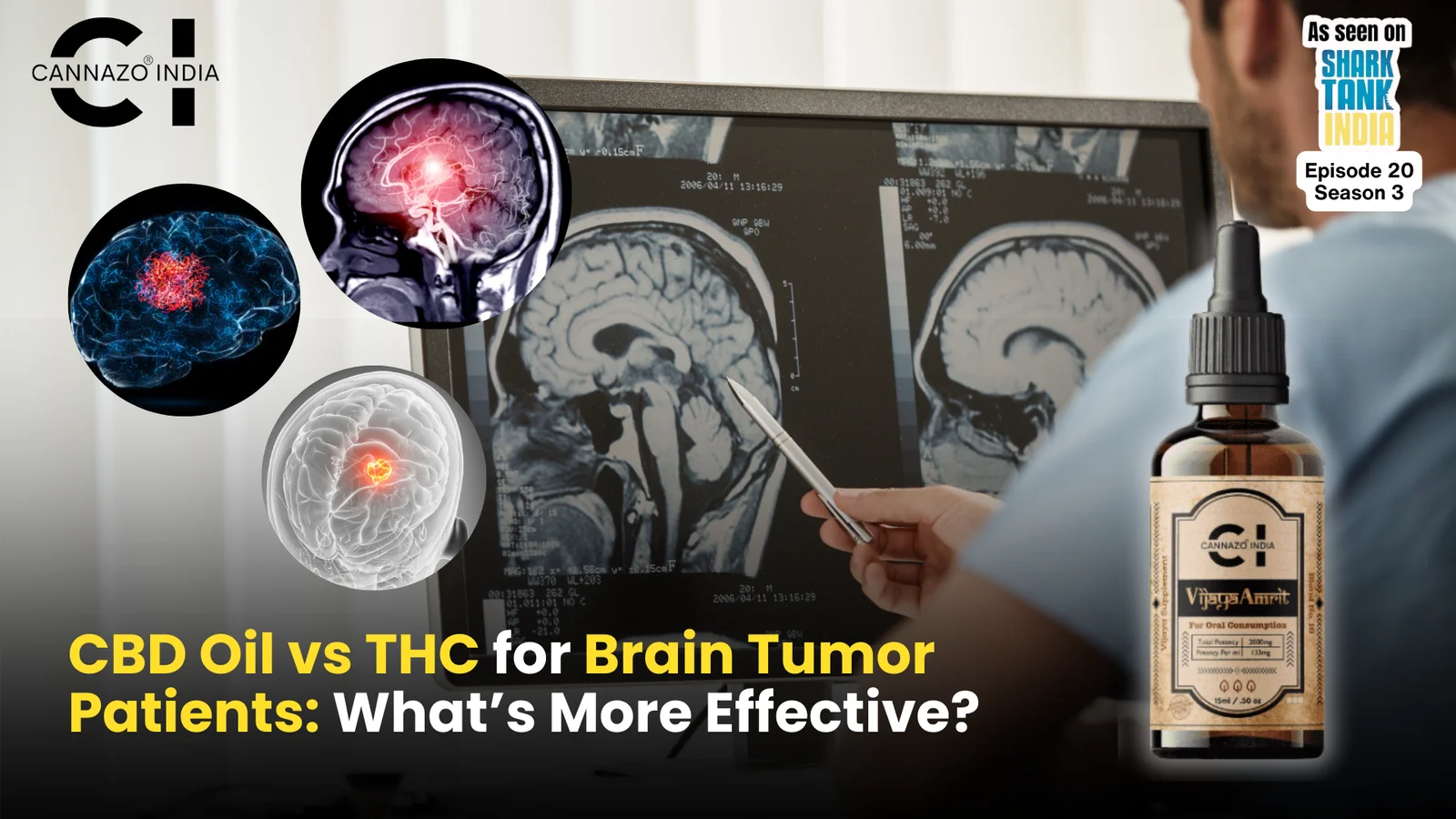
Brain tumours are complex and often life-threatening conditions requiring specialised care. In India, interest in alternative and adjunct therapies-like CBD oil and THC, compounds derived from cannabis-has grown among patients and clinicians seeking to improve outcomes and quality of life.
Understanding Brain Tumours
Brain tumours are abnormal growths of cells within the brain or its surrounding structures. They can be benign (non-cancerous) or malignant (cancerous), with symptoms ranging from headaches and seizures to cognitive or motor deficits, depending on the tumour’s type, size, and location.[1]
Types of Brain Tumours
Common types include:
Gliomas (including glioblastoma multiforme)
Meningiomas
Pituitary tumours
Schwannomas
Metastatic brain tumours (spread from other cancers).[2]
Conventional Treatment Options
Standard treatments in India and globally include:
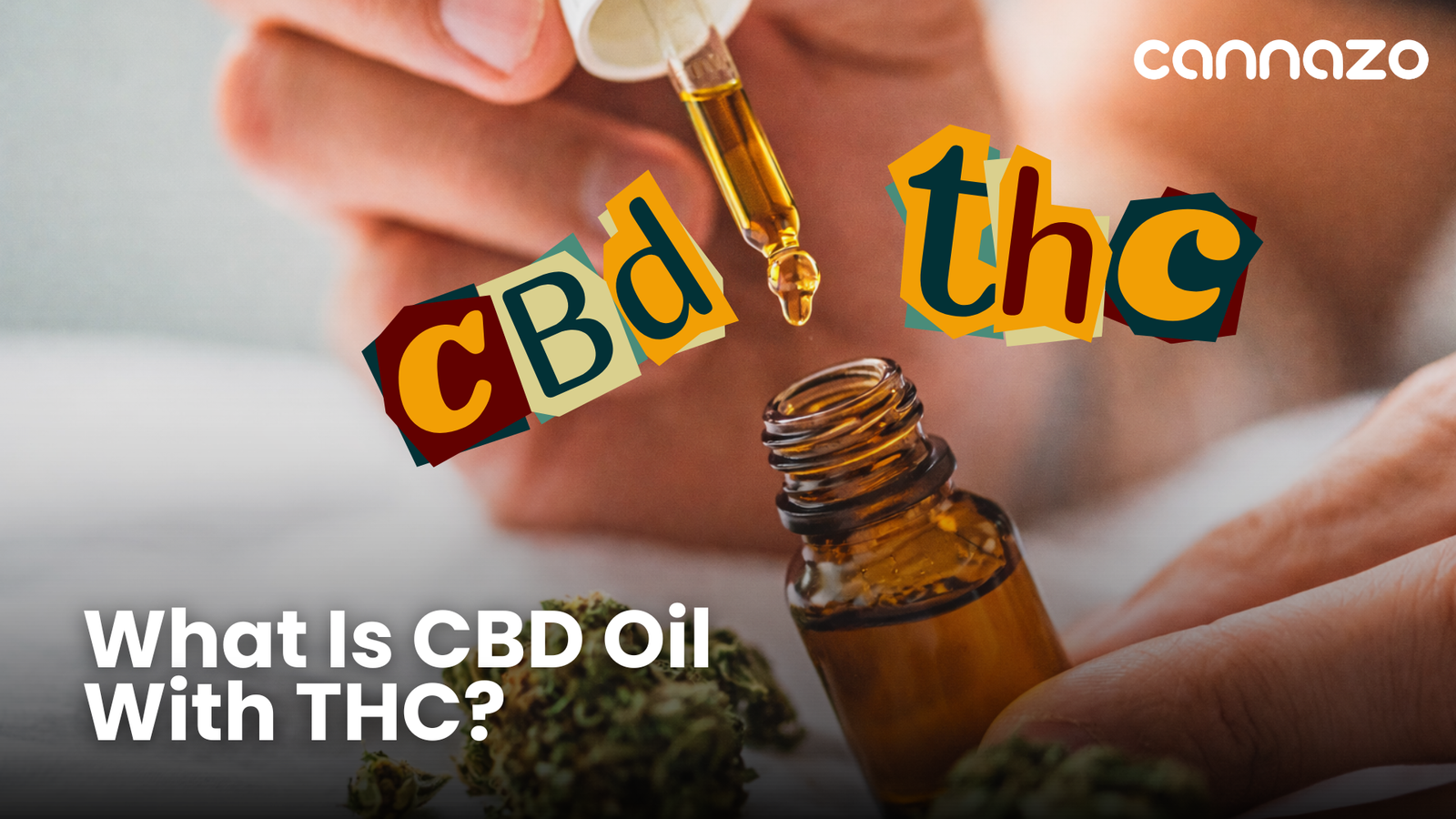
CBD (cannabidiol) oil is a non-psychoactive extract from the cannabis plant. It interacts with the body’s endocannabinoid system and is studied for its potential anti-inflammatory, anti-seizure, and anti-cancer properties.[3]
What is THC?
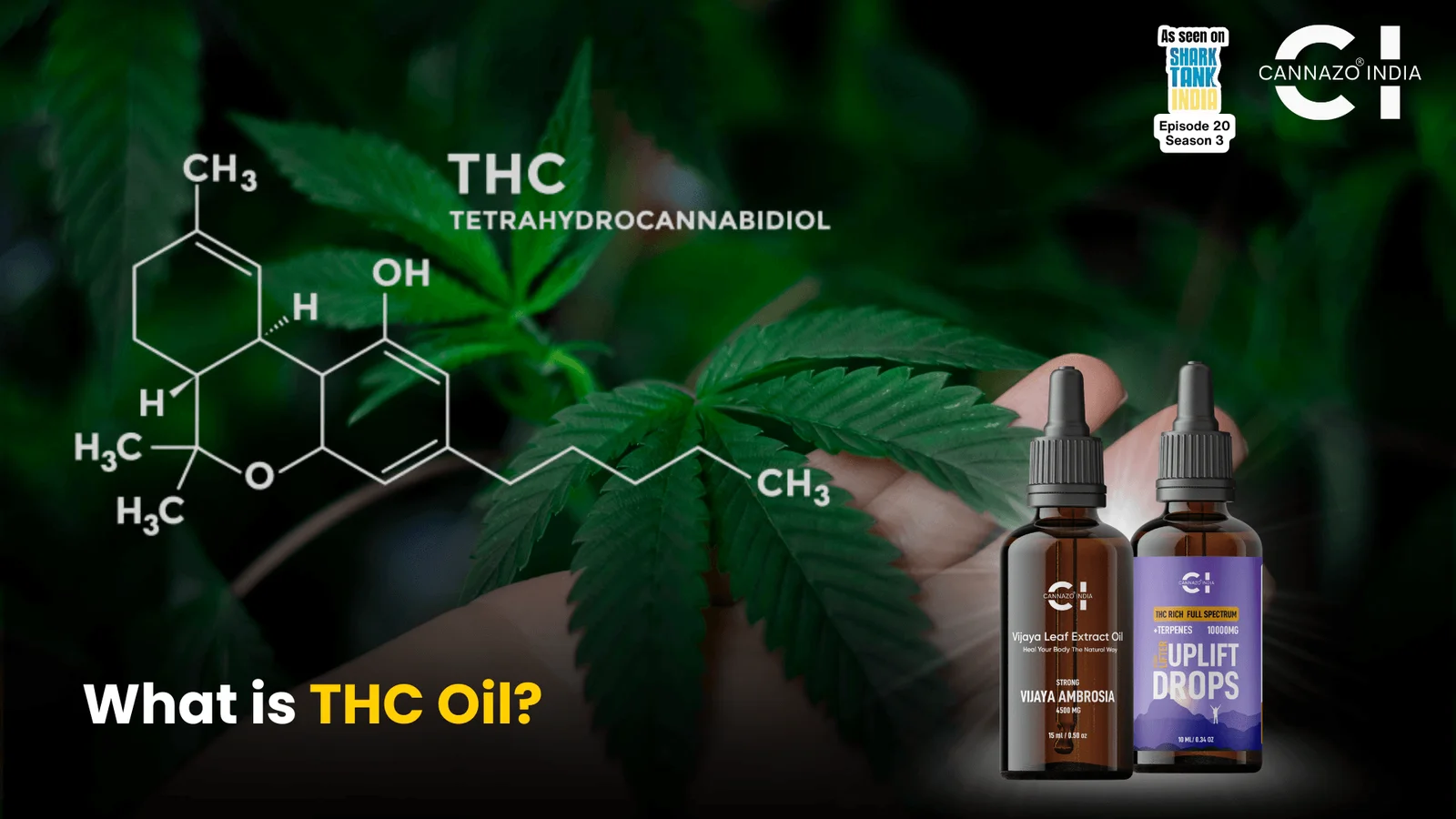
THC (tetrahydrocannabinol) is the main psychoactive compound in cannabis. It can alter mood and perception but also has potential anti-cancer, anti-nausea, and appetite-stimulating effects.[4]
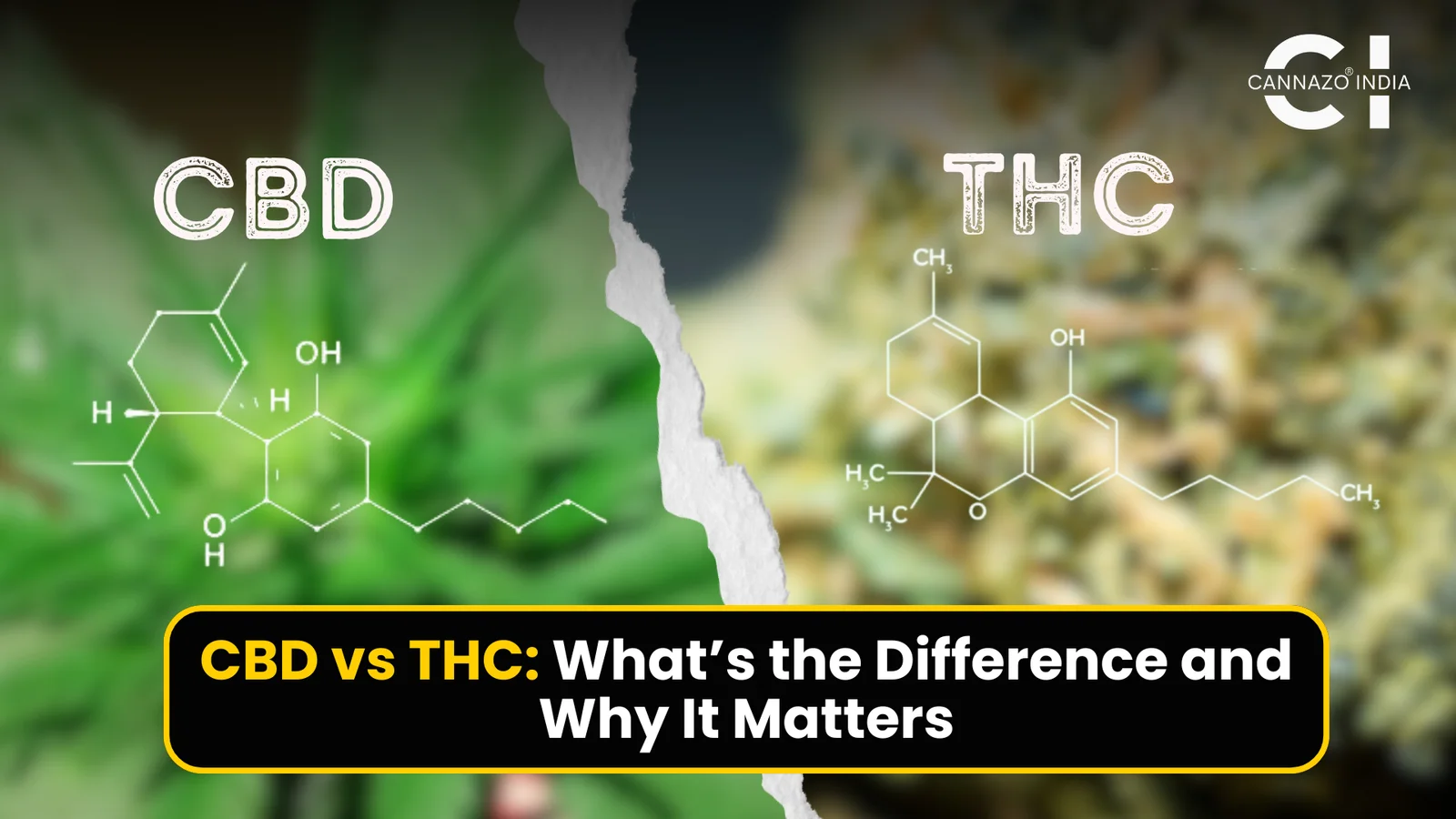
CBD vs THC: Key Differences
Feature
CBD (Cannabidiol)
THC (Tetrahydrocannabinol)
Psychoactivity
Non-psychoactive
Psychoactive (causes a “high”)
Legal Status
More widely accepted in India*
In India, THC up to 0.3% is legal for medical use when prescribed by a registered medical practitioner*
Medical Effects
Anti-inflammatory, anti-seizure, possible anti-tumour, reduces anxiety
Anti-nausea, appetite stimulation, and possible anti-tumour
Side Effects
Generally mild (fatigue, GI upset)
Psychoactive effects, potential for anxiety/paranoia
Which is More Effective for Brain Tumour Patients?
Current Evidence:
CBD: Laboratory and animal studies suggest CBD can inhibit proliferation and induce apoptosis (cell death) in glioma cells, reduce tumour growth, and enhance the effectiveness of chemotherapy (like temozolomide) in some brain tumour models. Some studies indicate CBD may also improve quality of life by reducing pain, swelling, nausea, and anxiety.[1],[4]
THC: THC has shown anti-tumour activity in laboratory settings and early clinical studies, including reducing tumour cell proliferation and angiogenesis in glioblastoma. THC may also help with cancer-related symptoms like nausea and appetite loss.[5]
Combination Therapy: Some research, including clinical trials, suggests that a combination of CBD and THC (in a 1:1 ratio, as in Sativex) with chemotherapy may enhance anti-tumour effects and improve survival in glioblastoma patients, compared to chemotherapy alone. However, these studies are preliminary and typically involve small patient numbers.[5]
In India:
CBD oil is gaining attention for symptom management and potential anti-cancer effects, but its use is mostly supportive. THC-containing products are more tightly regulated and less accessible. Both should only be considered as adjuncts, not replacements for conventional therapies, and always under medical supervision due to potential interactions with other treatments and side effects.[3]
How to Use CBD Oil and THC Safely
Consult Your Oncologist: Always discuss with your cancer care team before starting CBD or THC, especially to avoid drug interactions with chemotherapy, anti-epileptics, or steroids.[4]
Source Matters: Use only government-approved or prescription products to ensure quality and accurate dosing, as unregulated products may have unpredictable concentrations and safety risks.[3]
Monitor for Side Effects: Both CBD and THC can interact with other medications and may cause side effects. THC’s psychoactive effects may not be suitable for all patients, particularly those with cognitive or psychiatric vulnerabilities.[4]
Legal Considerations: AYUSH permitted and approved the use of cannabis leaves and seeds, while the Narcotic Drugs and Psychotropic Substances Act of 1985 initially prohibited the use of the plant’s flowering tops. Following approval by the Ministry of Health and Family for the use of medical cannabis for therapeutic purposes, full-spectrum CBD oil consumption became legal in India in 2018.
In India, companies selling goods like CBD oil must make sure they comply with regulatory inspections. In order to comply with rules, Cannazo India exclusively sources hemp leaves from the government and only provides prescription-based drugs to clients who have a valid, signed prescription.[2],[6]
Conclusion
CBD oil and THC both show promise in laboratory and early clinical studies for managing brain tumour symptoms and potentially slowing tumour growth, especially when used together with standard treatments. However, neither is a cure, and robust clinical evidence in humans-particularly in India-is still limited. Conventional therapies remain the mainstay of brain tumour treatment. Any use of CBD or THC should be closely supervised by a medical professional, with careful attention to legal and safety considerations
Jesus-Eduardo Rodriguez-Almaraz, & Butowski, N. (2023). Therapeutic and Supportive Effects of Cannabinoids in Patients with Brain Tumors (CBD Oil and Cannabis). 24(1), 30–44. https://doi.org/10.1007/s11864-022-01047-y
Tomko, A. M., Whynot, E. G., Ellis, L. D., & Dupré, D. J. (2020). Anti-Cancer Potential of Cannabinoids, Terpenes, and Flavonoids Present in Cannabis. Cancers, 12(7), 1985. https://doi.org/10.3390/cancers12071985
Ayesha Qazi, a Bachelor of Pharmacy graduate from NMIMS Mumbai, is known for her creativity. She has extensive experience in writing research papers, review articles, and reports. She has also worked with research and development teams, contributing to various projects. Currently, she is exploring opportunities in pharmaceutical marketing and management.