Apply Code: CANNAZO10 & Get 10% OFF on Your Order! Feel the Balance — Use Code BERBERINE20 for 20% Off On Liposomal Berberine
Apply Code: CANNAZO10 & Get 10% OFF on Your Order! Feel the Balance — Use Code BERBERINE20 for 20% Off On Liposomal Berberine
Apply Code: CANNAZO10 & Get 10% OFF on Your Order! Feel the Balance — Use Code BERBERINE20 for 20% Off On Liposomal Berberine
Apply Code: CANNAZO10 & Get 10% OFF on Your Order! Feel the Balance — Use Code BERBERINE20 for 20% Off On Liposomal Berberine
Apply Code: CANNAZO10 & Get 10% OFF on Your Order! Feel the Balance — Use Code BERBERINE20 for 20% Off On Liposomal Berberine
Apply Code: CANNAZO10 & Get 10% OFF on Your Order! Feel the Balance — Use Code BERBERINE20 for 20% Off On Liposomal Berberine
Apply Code: CANNAZO10 & Get 10% OFF on Your Order! Feel the Balance — Use Code BERBERINE20 for 20% Off On Liposomal Berberine
Apply Code: CANNAZO10 & Get 10% OFF on Your Order! Feel the Balance — Use Code BERBERINE20 for 20% Off On Liposomal Berberine
Apply Code: CANNAZO10 & Get 10% OFF on Your Order! Feel the Balance — Use Code BERBERINE20 for 20% Off On Liposomal Berberine
Apply Code: CANNAZO10 & Get 10% OFF on Your Order! Feel the Balance — Use Code BERBERINE20 for 20% Off On Liposomal Berberine
Apply Code: CANNAZO10 & Get 10% OFF on Your Order! Feel the Balance — Use Code BERBERINE20 for 20% Off On Liposomal Berberine
Apply Code: CANNAZO10 & Get 10% OFF on Your Order! Feel the Balance — Use Code BERBERINE20 for 20% Off On Liposomal Berberine
Ayesha Qazi, a Bachelor of Pharmacy graduate from NMIMS Mumbai, is known for her creativity. She has extensive experience in writing research papers, review articles, and reports. She has also worked with research and development teams, contributing to various projects. Currently, she is exploring opportunities in pharmaceutical marketing and management.
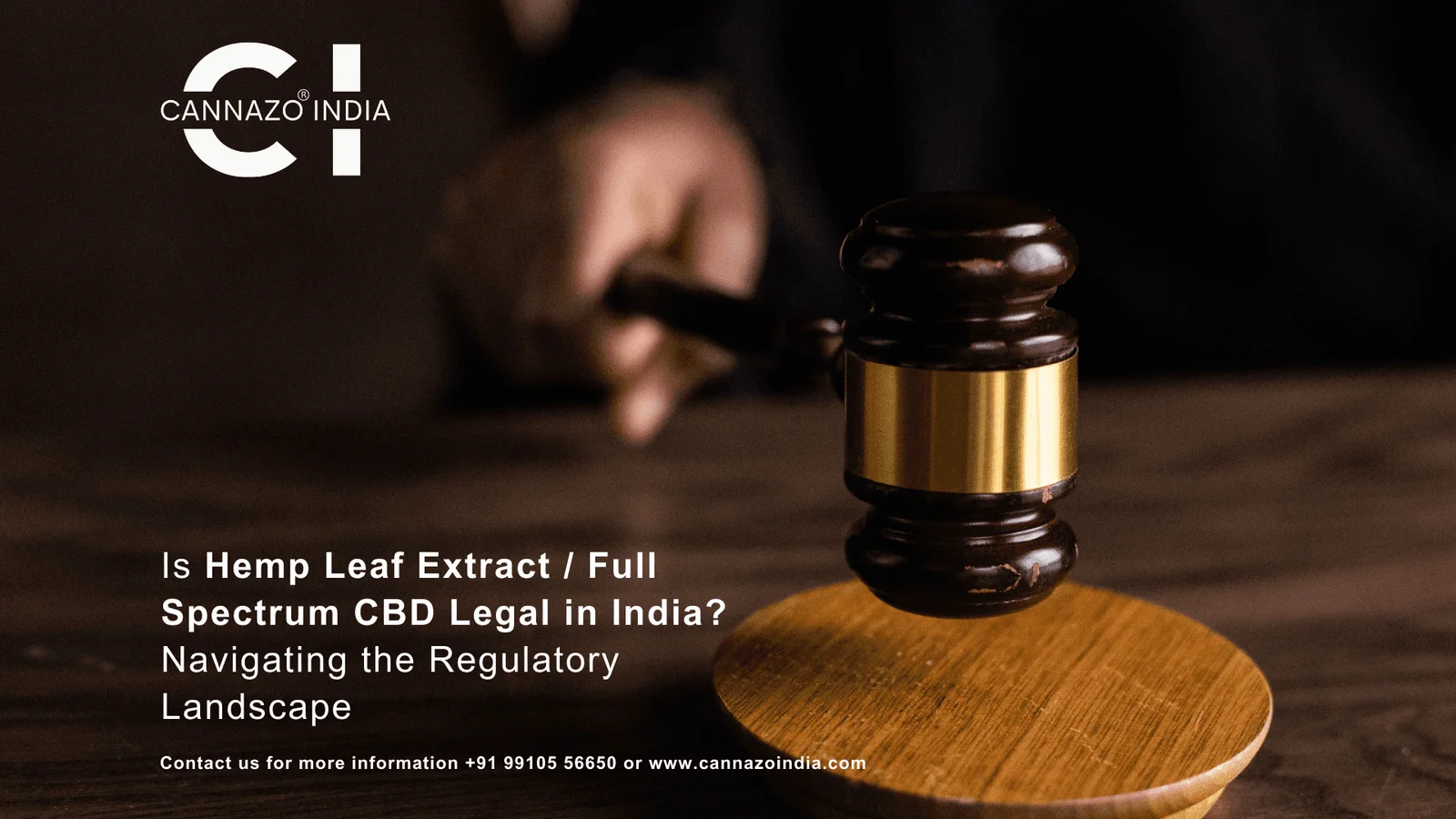
CBD hemp oil occupies a nuanced legal space in India, primarily governed by the NDPS Act of 1985, which permits low-THC hemp-derived products under strict conditions. This blog explores its legality, regulations, and practical guidance for consumers.
In the rapidly evolving world of natural wellness, CBD hemp oil has emerged as a popular remedy for stress, pain, and sleep issues, especially among India’s health-conscious urbanites. Yet, its legal status remains one of the most debated topics, caught between traditional Ayurvedic roots and modern NDPS regulations.
This comprehensive blog explains CBD hemp oil’s legality across India, covering its definition, governing laws, grey areas, purchasing guidelines, risks, and future trends. Whether you’re a consumer, practitioner, or researcher in Mumbai or beyond, gain clarity on safe, compliant use from licensed sources.
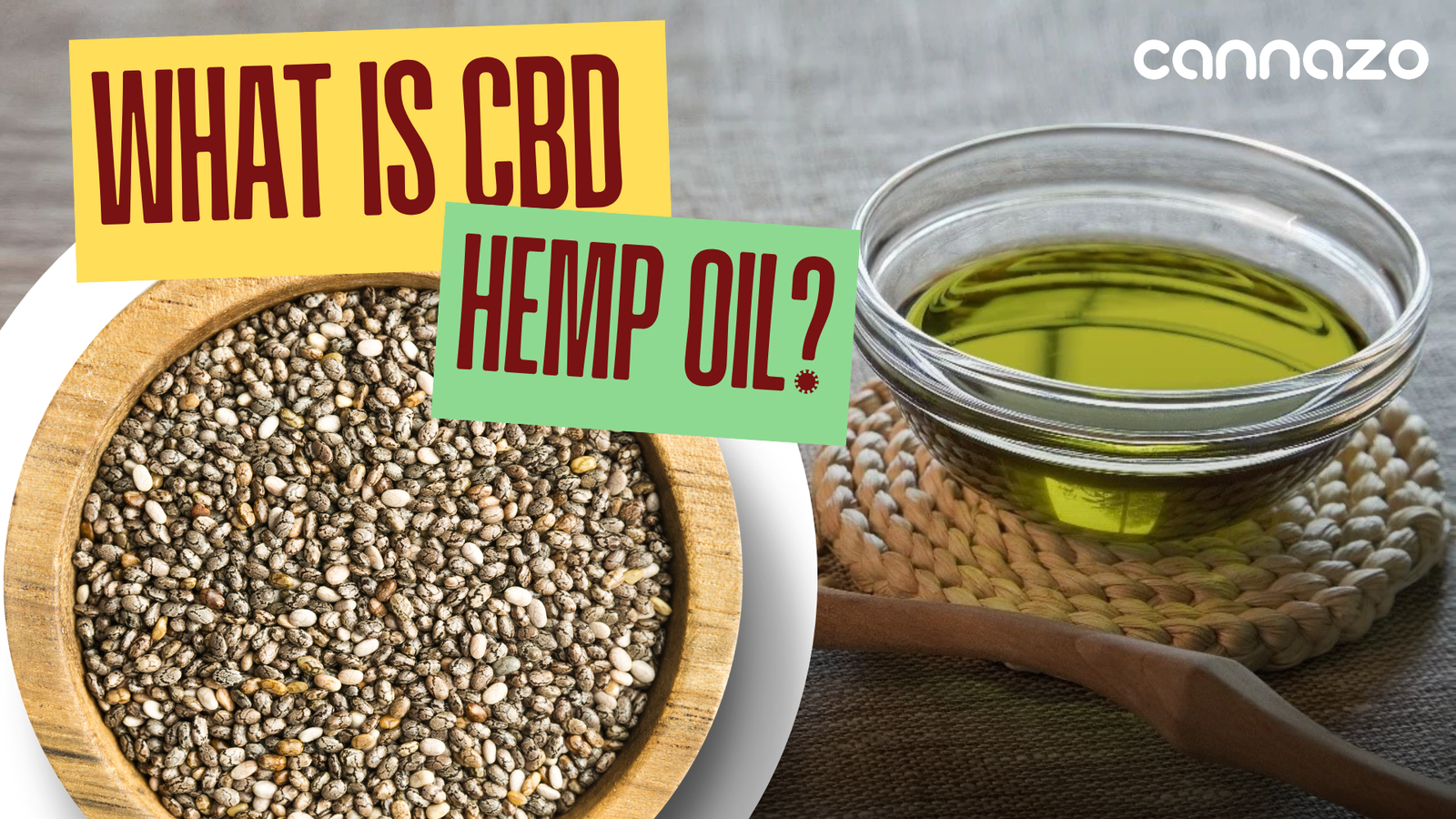
What Is CBD Hemp Oil?
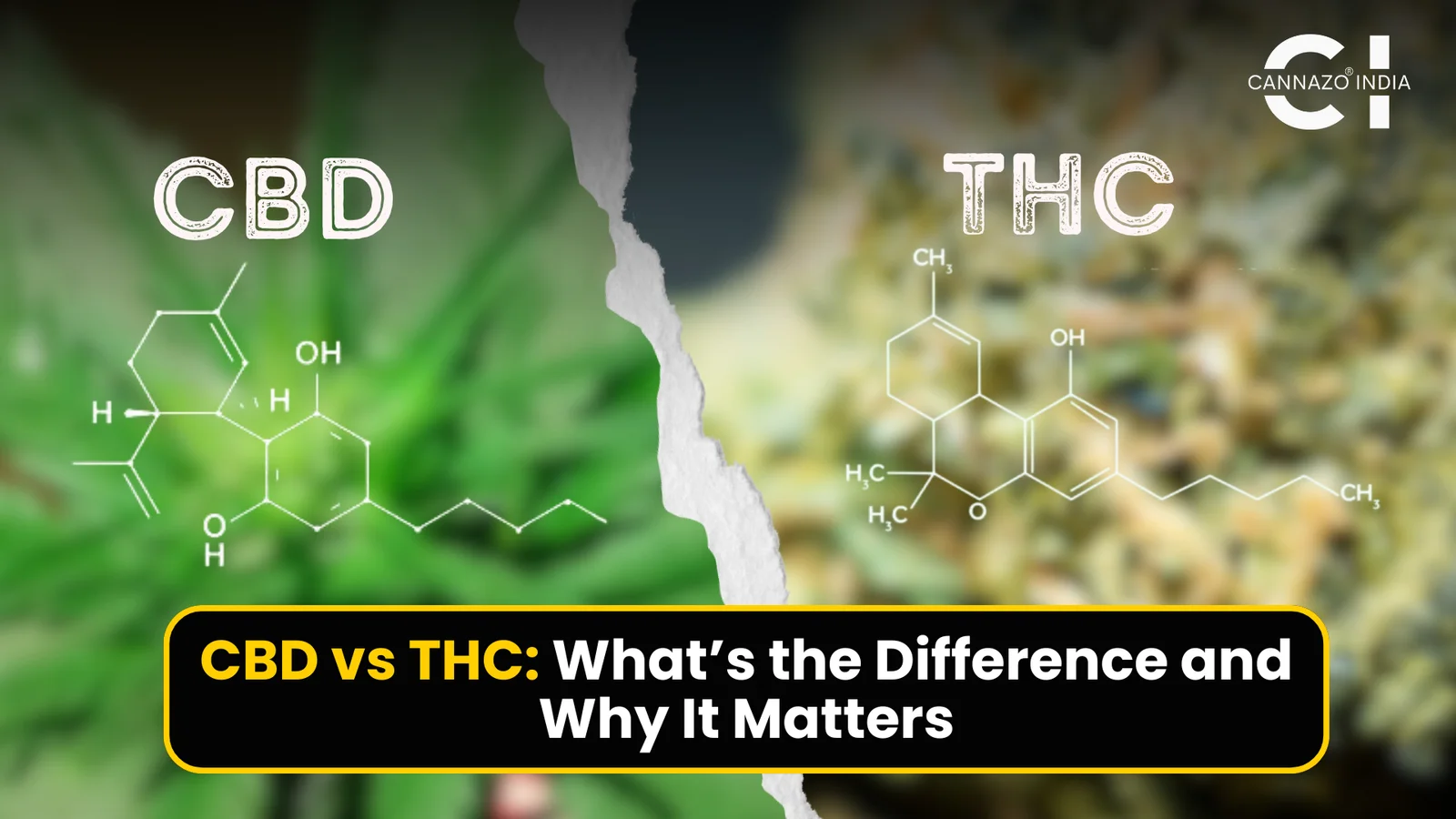
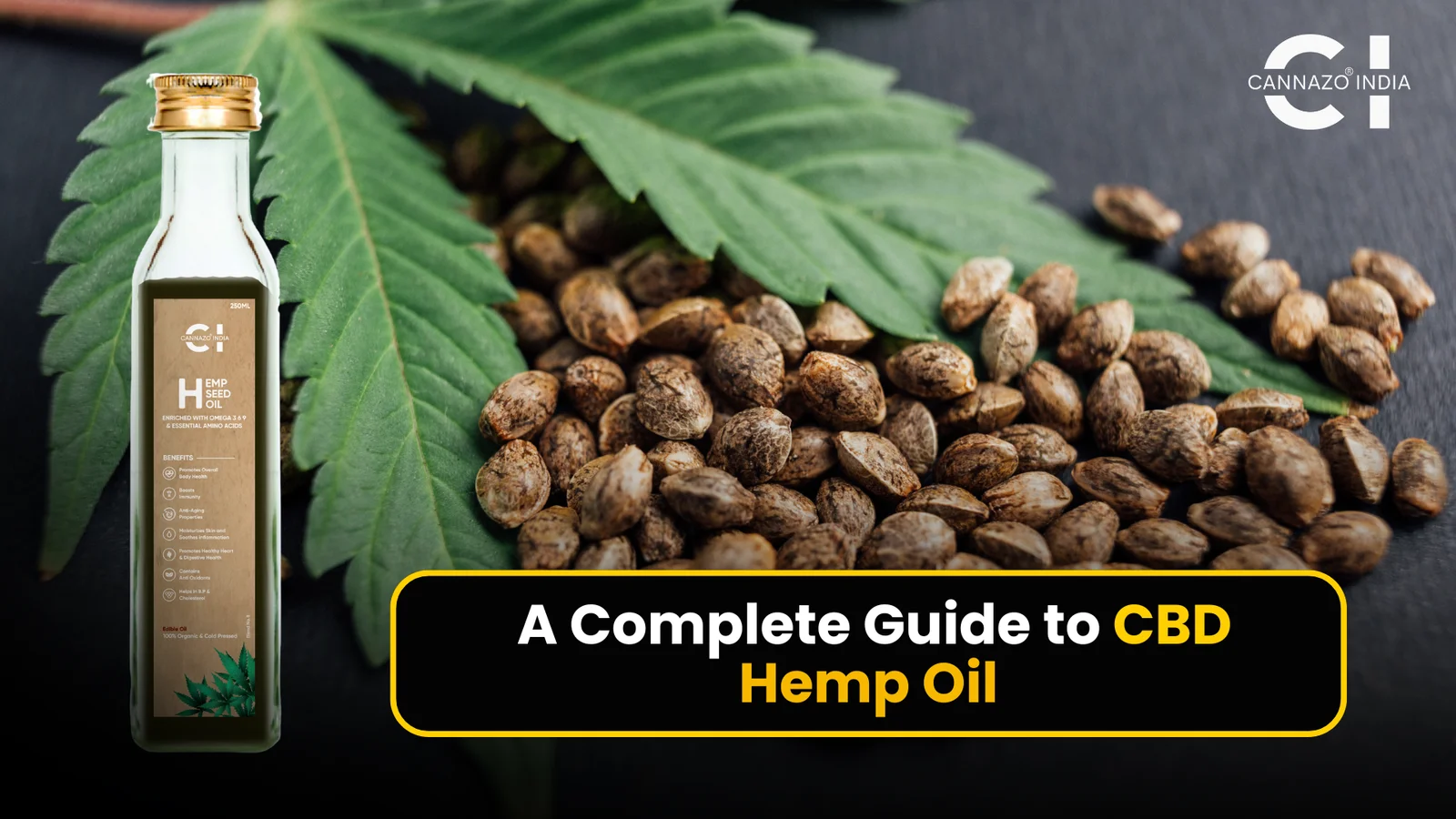
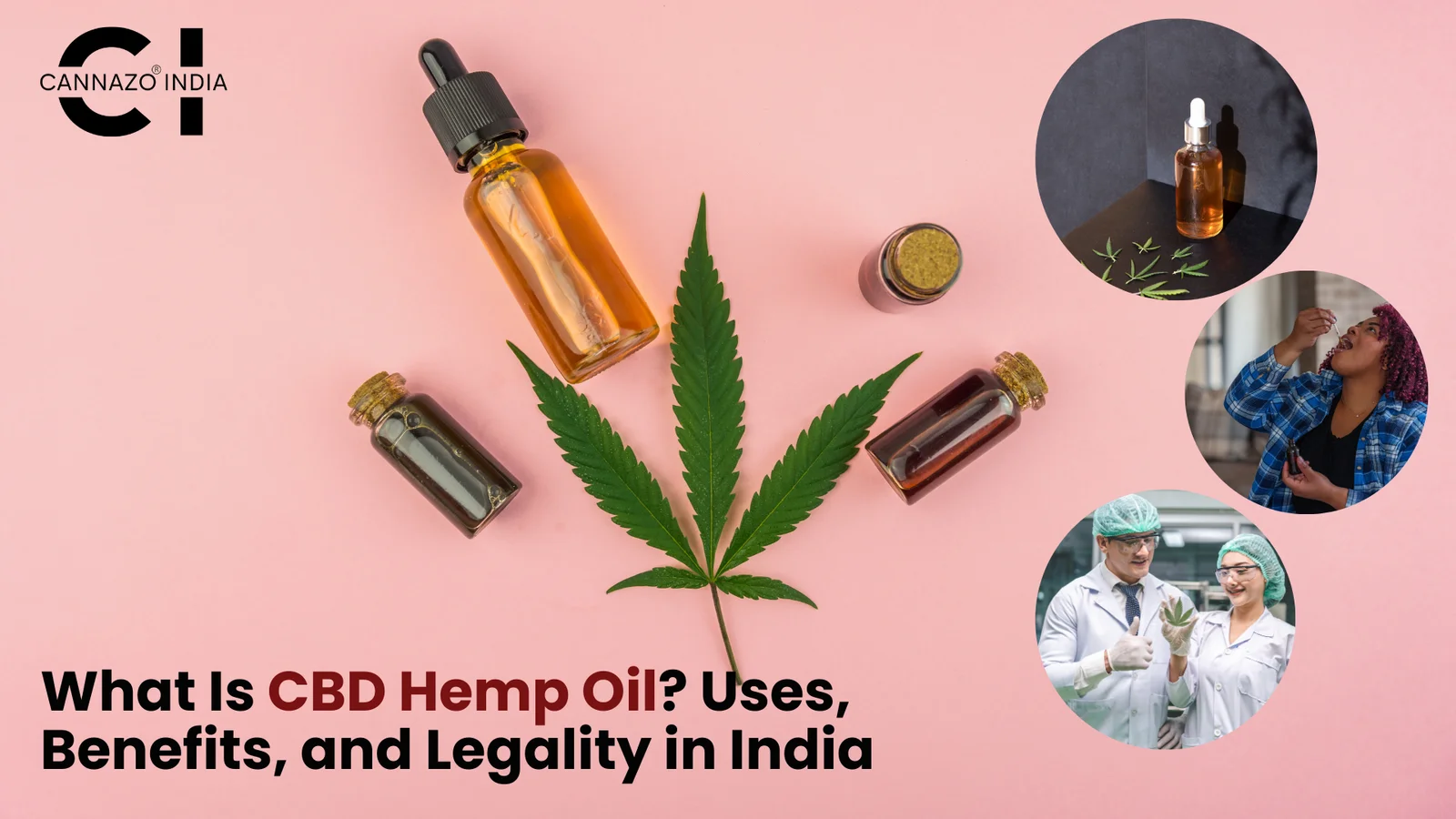
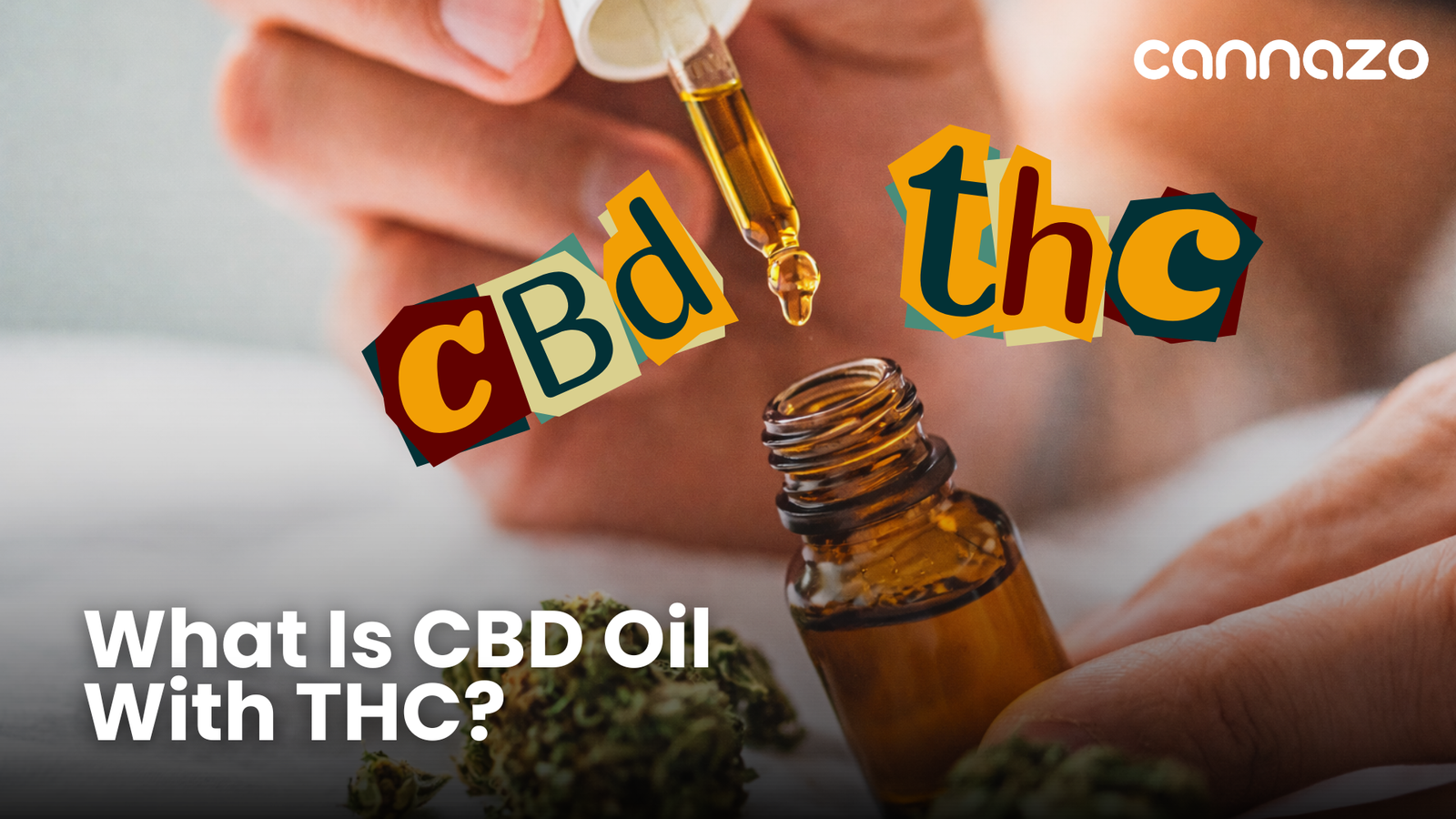
CBD hemp oil is an extract from hemp plant leaves or stalks, rich in cannabidiol (CBD), a non-psychoactive compound. Unlike marijuana-derived oils, it contains minimal THC (under 0.3%), avoiding intoxicating effects while offering potential anti-inflammatory and relaxation benefits. Available as full-spectrum (trace THC), broad-spectrum (no THC), or isolate forms, it’s often used sublingually for medical purposes.
Key Factors That Determine CBD Legality
Legality hinges on source, THC content, manufacturing standards, and intended use. Hemp-derived CBD from leaves (not flowers/resin) evades NDPS bans, but THC above 0.3% classifies it as a narcotic. Licensing under the Drugs and Cosmetics Act, AYUSH guidelines, third-party lab testing (COA), and medical supervision are mandatory.
Source of Extraction
The origin of the CBD is paramount. Hemp-derived CBD must come exclusively from the leaves, seeds, or stalks of the Cannabis sativa L. plant, not from flowers, fruits, or resin, which are explicitly banned under NDPS Section 2. For Indian consumers, prioritising domestically grown, fibre hemp-sourced oils minimises legal exposure.
THC Content Threshold
Delta-9-tetrahydrocannabinol (THC), the psychoactive compound, sets a strict cutoff at 0.3% dry weight for legality. Third-party lab Certificates of Analysis (COAs) are non-negotiable, verifying THC levels via HPLC testing to ensure compliance.
Manufacturing Standards and Licensing
Production must adhere to the Drugs and Cosmetics Act, 1940, and Rules, 1945, often under AYUSH (Ministry of Ayurveda, Yoga & Naturopathy, Unani, Siddha, and Homoeopathy) licensing for Ayurvedic or proprietary formulations. Licensed facilities like those approved by CDSCO (Central Drugs Standard Control Organisation) ensure GMP (Good Manufacturing Practices), preventing contamination with heavy metals, pesticides, or solvents. FSSAI registration applies to edible forms (e.g., gummies), mandating accurate labelling of CBD potency, ingredients, and usage warnings. Unlicensed or adulterated products invite raids and fines.
Intended Use and Medical Supervision
Recreational use remains illegal, but therapeutic applications, such as for chronic pain, epilepsy, or anxiety, are permissible with medical oversight. Low-dose (<10% CBD) oils may be over-the-counter from licensed sellers, while higher concentrations require prescriptions from Ayurvedic or allopathic doctors. Self-medication risks NDPS violations if perceived as narcotic intent. Courts, including recent Delhi High Court rulings, emphasise this distinction, protecting supervised medical use.
Is CBD Hemp Oil Legal in India?
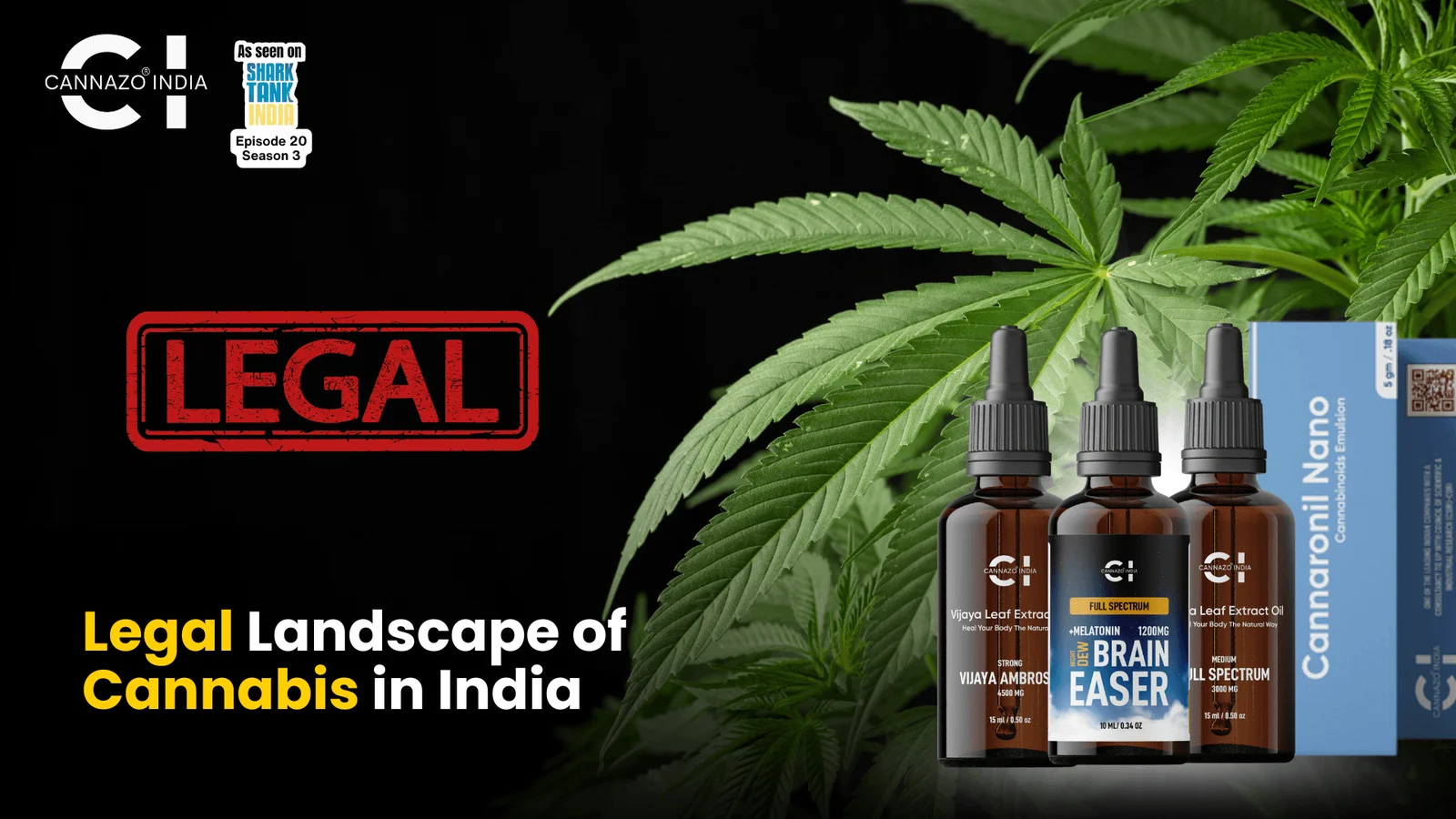
CBD hemp oil is legal in India when derived from hemp with less than 0.3% THC and is fully compliant with regulatory standards. The Narcotic Drugs and Psychotropic Substances (NDPS) Act, 1985, explicitly exempts hemp leaves and seeds from its prohibitions, enabling medicinal applications like pain relief and anxiety management, while strictly banning recreational use. No nationwide outright ban exists, but enforcement depends heavily on product compliance; unverified imports or high-THC variants face seizures and penalties, creating variability across customs and state police actions.
CBD Hemp Oil Laws in India
India’s framework rests on the NDPS Act (1985), which prohibits cannabis flowers and resin but permits non-narcotic hemp leaves and seeds for extraction. The Drugs and Cosmetics Act (1940) governs manufacturing, requiring licensed facilities to meet quality controls, while AYUSH oversees Ayurvedic integrations, approving CBD as proprietary medicines. FSSAI standards apply to edibles like gummies or capsules, demanding precise labelling of CBD/THC levels, allergens, and dosage instructions; imports must clear customs with low-THC certifications, making locally produced options safer and more accessible.
Is CBD Oil Legal in All Indian States?
Here’s a state-wise overview based on latest 2026 data:
State/UT
Status & Notes
Maharashtra
Legal under NDPS; Bombay Prohibition Act restricts bhang but allows low-THC CBD sales with licensing. Mumbai vendors thrive.
Hemp/CBD legal; traditional chillum use tolerated, compliant oils sold openly.
Kerala
Strict enforcement but NDPS-compliant CBD allowed medicinally; Ayurvedic focus.
Goa
Tourist-friendly; low-THC imports/seizures common, but licensed sales permitted.
Assam
Tighter: Ganja/bhang prohibited (1958 Act), but hemp CBD exempt if <0.3% THC.
Delhi (UT)
Court-backed (2026 ruling); AYUSH-licensed products legal, high demand.
States align centrally, but verify local excise rules and vendor COAs to avoid issues, uniformity prevails over variations.
Why CBD Hemp Oil Falls into a Legal Grey Area
The NDPS Act’s outdated language omits specific CBD references, blurring lines between industrial hemp (low-THC) and marijuana (high-THC), leading to interpretive disputes. While leaves are exempt, concentrated extracts containing even trace THC (<0.3%) invite scrutiny, compounded by inconsistent state enforcement and frequent import seizures at airports.
Government, Courts & Official Clarifications
The Ministry of AYUSH actively licenses compliant CBD products as Ayurvedic proprietary medicines, fostering integration into traditional wellness. CDSCO mandates medical supervision for therapeutic claims, ensuring safe dosing; a landmark Delhi High Court ruling in January 2026, NDPS exemptions for leaf-derived CBD, rejecting many narcotic labels. Recent 2025-2026 guidelines from AYUSH and FSSAI reinforce <0.3% THC caps, mandatory third-party lab testing via COAs, and GMP manufacturing, no full ban, but non-compliance triggers strict action.
Can CBD Hemp Oil Be Sold & Bought in India?
Sales are legal from AYUSH-licensed vendors with COAs showing low THC. Online platforms like Cannazo India and Hempbuti offer compliant oils; buyers should verify licenses and retain invoices. Unlicensed imports risk seizure.
Aspect
Legal Requirements
Illegal Examples
Source
Hemp leaves/stalks
Marijuana flowers/resin
THC
<0.3%
0.3%
Sales
Licensed, labeled
Unverified online imports
Purchase
With/without Rx (low-dose)
Recreational intent
Is CBD Hemp Oil Legal for Medical Use?
Yes, for conditions like pain, anxiety, epilepsy under prescription, often as Ayurvedic remedies. Higher-strength needs doctor consultation; low-dose may be OTC from licensed sellers. Research supports neuroprotective and anti-inflammatory uses.
Things Consumers Should Check Before Buying CBD Oil
Verify COA for THC/CBD levels, AYUSH licensing, and hemp sourcing. Seek prescriptions for therapeutic use; prefer Indian-made to avoid customs issues. Check labels for dosage, interactions, and expiry.
Lab-tested purity (no contaminants).
Transparent vendor (e.g., Cannazo India, BOHECO, Qurist).
Doctor consultation for interactions.
Risks & Legal Precautions
Non-compliant products risk NDPS penalties: fines, seizure, arrest. High-THC mislabelling or recreational use invites prosecution. Precautions: store receipts/prescriptions, avoid imports, consult practitioners. Drug test failures are possible with trace THC.
Future of CBD Hemp Oil Laws in India
By 2026-2027, expect FSSAI standardisation, clearer THC thresholds, and Ayurveda trials. Hemp cultivation may expand; ongoing courts push distinctions. Wellness demand could clarify grey areas.
FAQ
Is CBD oil banned in India?| No, hemp-derived CBD oil with less than 0.3% THC is not banned under Indian law. Only non-compliant products—like those from marijuana flowers/resin or exceeding THC limits, face restrictions or seizures under the NDPS Act. Licensed, low-THC variants remain available nationwide.
Can CBD oil get you high? No, pure CBD is non-psychoactive and does not produce a high. Any euphoric effects stem from THC, which legal hemp-derived products cap at under 0.3% to ensure compliance and safety.
Is CBD oil legal in all Indian states? Yes, legality is mostly uniform under the central NDPS Act, with no major state-specific bans reported. Some states may impose stricter sales or labelling rules via local enforcement, so check vendor compliance. CBD hemp oil offers significant wellness benefits, like pain relief and stress reduction, in India’s growing natural health scene, but always prioritise verified compliance for safety and legality.
Conclusion
Navigating CBD hemp oil in India requires vigilance amid its legal nuances, but compliant products unlock real wellness potential. From NDPS exemptions for low-THC hemp leaves to AYUSH licensing, the framework supports safe medical use when sourced responsibly.
Prioritise lab-tested oils from verified sellers, consult healthcare providers, and stay updated on regulations to avoid risks. As India bridges Ayurveda and modern cannabis science, clearer laws loom on the horizon, empowering consumers like you in Mumbai’s thriving health scene.
CannazoIndia (2026). Discover the biggest CBD wellness trends in India for 2026 – anxiety relief, sleep, skincare, gummies & rapid market growth. Future of CBD in India revealed! [online] Linkedin.com. Available at: https://www.linkedin.com/pulse/cbd-wellness-trends-india-2026-cannazoindia-v4gac [Accessed 25 Feb. 2026].
CBD Store India. (2025). FAQs – CBD Store India’s Frequently Asked Questions. [online] Available at: https://cbdstore.in/pages/faqs [Accessed 25 Feb. 2026].
Ayesha Qazi, a Bachelor of Pharmacy graduate from NMIMS Mumbai, is known for her creativity. She has extensive experience in writing research papers, review articles, and reports. She has also worked with research and development teams, contributing to various projects. Currently, she is exploring opportunities in pharmaceutical marketing and management.