Introduction
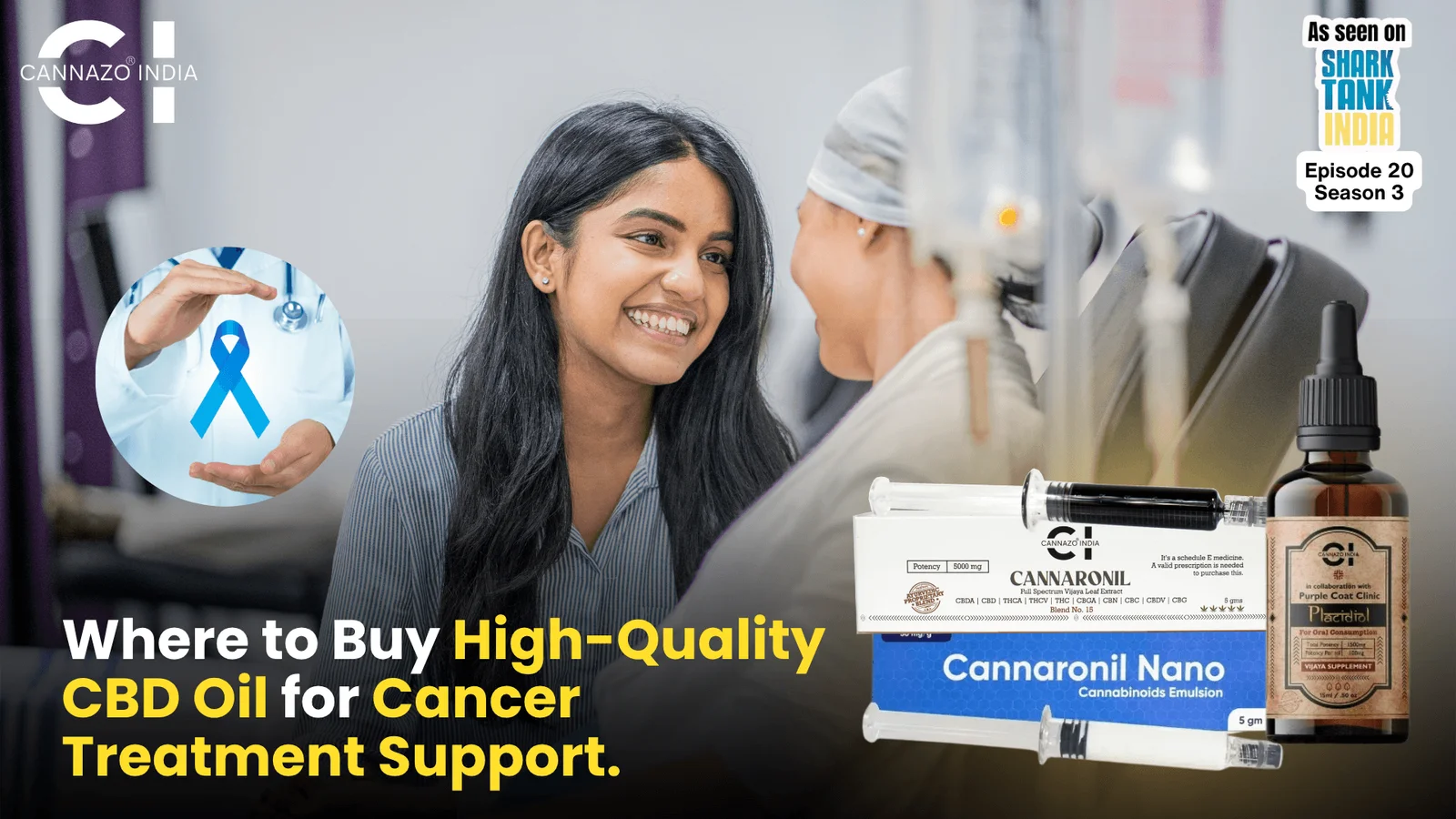
CBD (cannabidiol) is a naturally occurring compound found in the Cannabis sativa plant, known for its wide range of potential therapeutic benefits without the intoxicating “high” associated with THC (tetrahydrocannabinol). As a non-psychoactive cannabinoid, CBD has gained increasing global attention in recent years for its ability to help manage conditions such as chronic pain, inflammation, anxiety, insomnia, and treatment-related side effects in cancer and other serious illnesses.
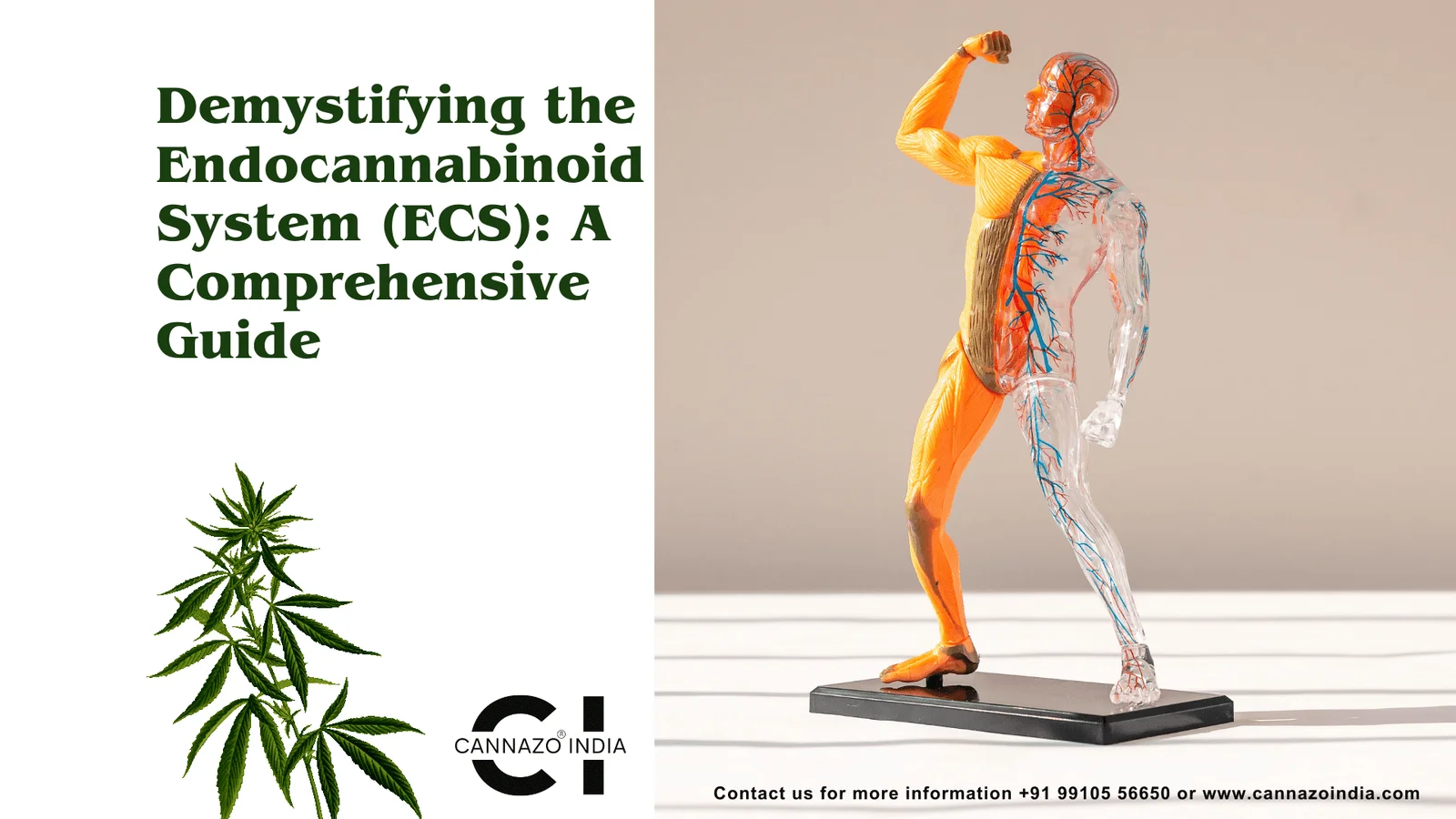
Researchers have been exploring how CBD interacts with the body’s endocannabinoid system, which plays a key role in regulating pain, mood, immune response, and overall homeostasis. Early studies suggest that CBD may enhance well-being by helping the body restore balance and reduce discomfort, making it a promising addition to modern therapeutic approaches. [1],[2],[3]
How CBD Oil Helps Cancer Patients
CBD may offer several benefits for those undergoing cancer treatment:
- Pain relief: CBD interacts with the body’s endocannabinoid system to reduce pain and inflammation.
- Reduction of nausea and vomiting: It can enhance antiemetic effects, particularly when combined with chemotherapy.
- Improving appetite and weight maintenance: CBD may stimulate appetite, countering one of the common side effects of cancer and its treatments.
- Anxiety and sleep issues: CBD’s calming properties can help manage anxiety and sleep disturbances associated with cancer. [2],[4]
Understanding Dosage for Cancer Patients
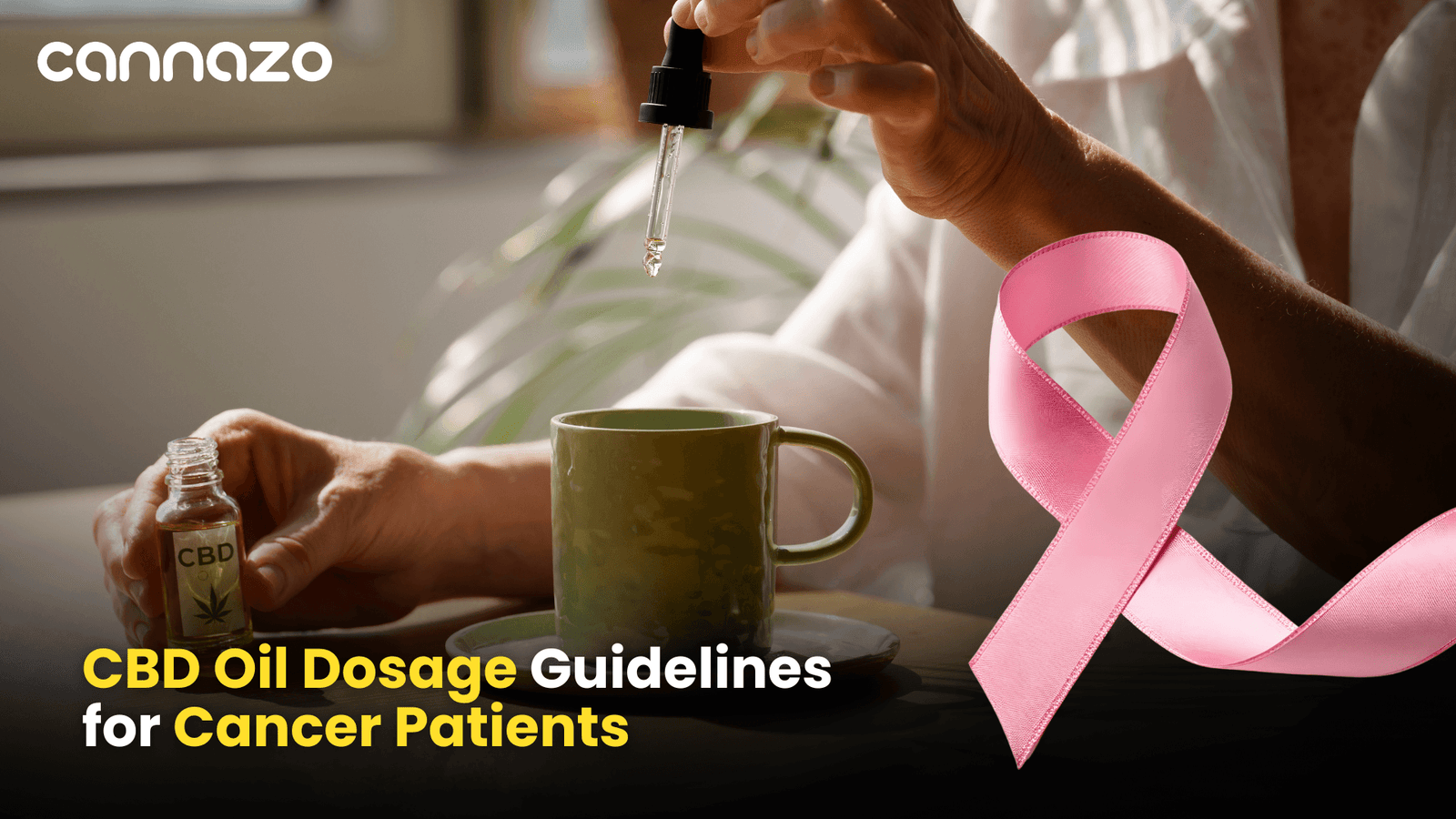
Determining the right CBD dose depends on individual factors such as body weight, cancer type, stage, and the specific product used. Common guidelines recommend starting with low doses and gradually increasing:
- Adults: Starting with 50 mg twice daily (about 100 mg/day) is common, with some suggesting up to 300-600 mg for specific effects.
- Body weight: A general recommendation is 1-6 mg of CBD per 10 pounds of body weight, with adjustments based on response and tolerance. [5],[6],7[]
How to Administer CBD Oil for Cancer Treatment
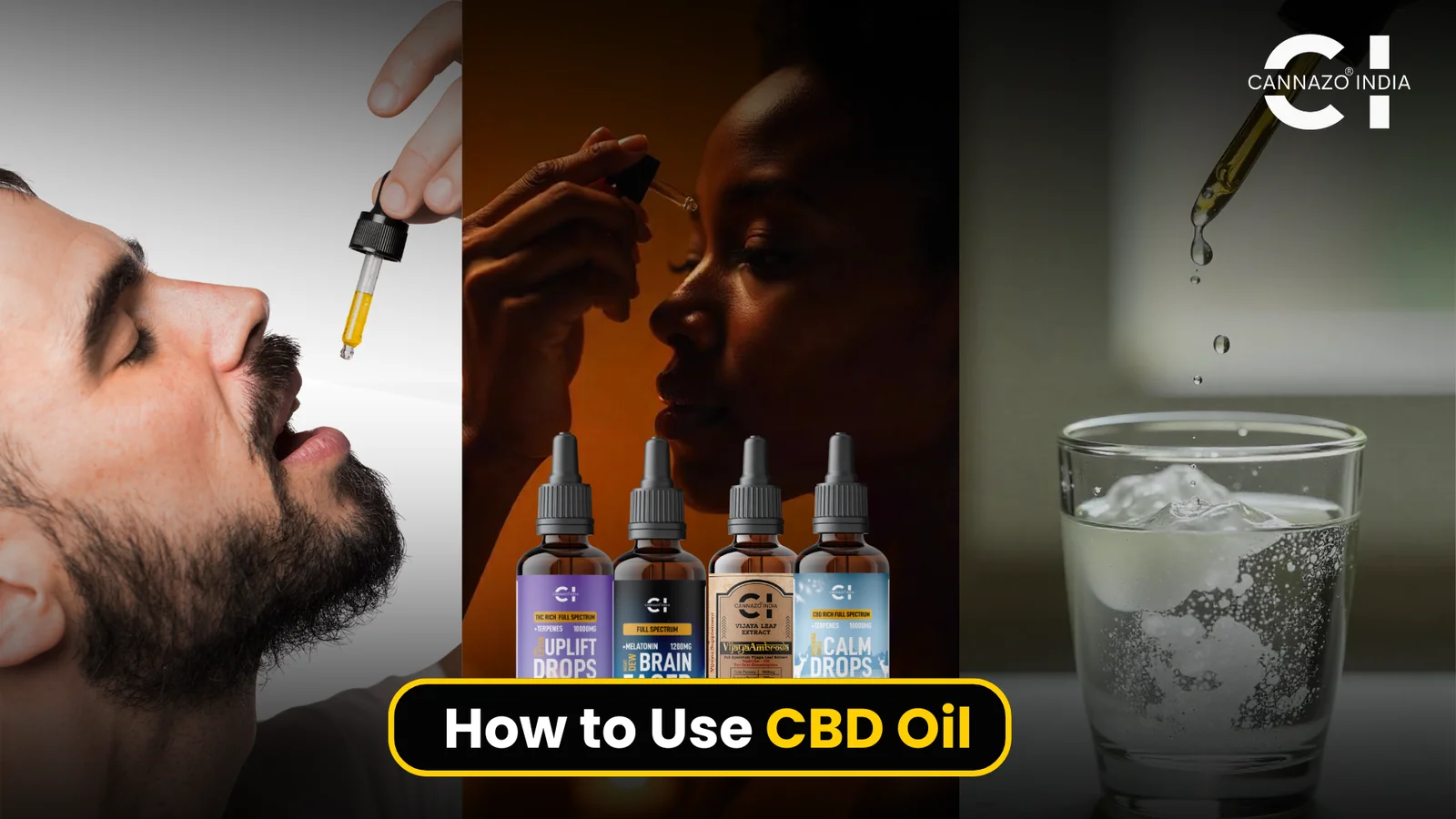
CBD comes in various formulations: oils, capsules, sprays, topical applications, and vaporizers. For systemic effects, oral oils and capsules are most commonly used. The typical onset time ranges from 30 minutes to 2 hours, with effects lasting up to 8 hours.[1],[3]
Consulting with a Healthcare Professional
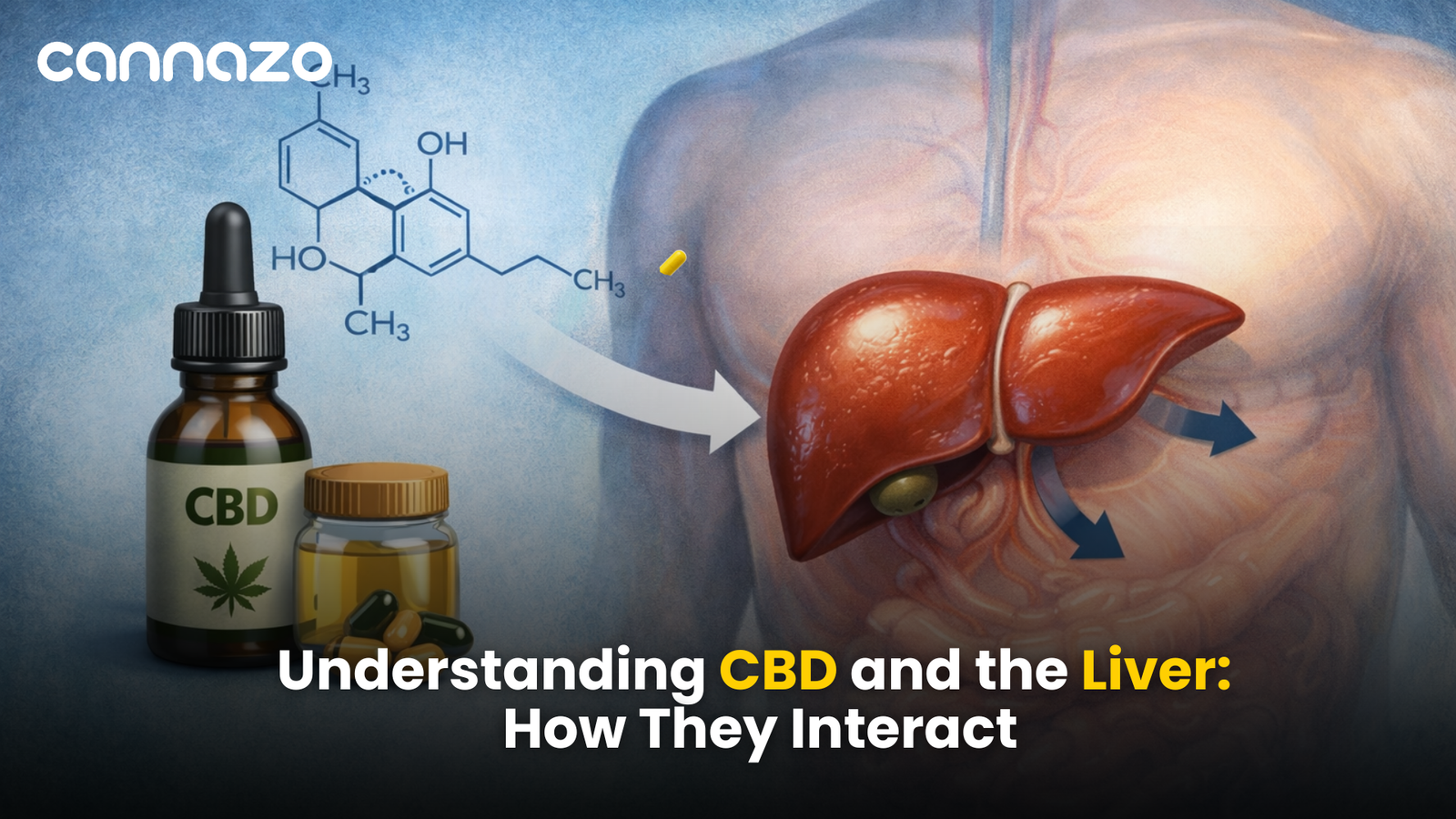
Before beginning CBD use, it is crucial to consult with an oncologist or a physician experienced in cannabinoid therapies. These healthcare professionals can evaluate your overall health status, treatment goals, and current medications to determine whether CBD is a safe and appropriate option. This is especially important for cancer patients undergoing chemotherapy or other drug-based treatments, as CBD can affect liver enzymes (particularly cytochrome P450 enzymes) responsible for metabolizing many prescription drugs. Such interactions could alter drug levels in the body, potentially reducing effectiveness or increasing side effects.
A medical consultation also helps establish the right dosage, product type, and administration method whether oil, capsule, or topical based on individual needs and treatment plans. With professional supervision, patients can safely incorporate CBD as part of a comprehensive and personalized care strategy, ensuring both effectiveness and safety throughout their treatment journey [1],[3]
Possible Side Effects and Safety Considerations
While CBD is generally considered safe and well-tolerated, it can still cause mild to moderate side effects in some individuals, especially at higher doses or when combined with other medications. Common side effects include fatigue, drowsiness, dry mouth, diarrhoea, and changes in appetite or weight. In some cases, CBD may also affect liver enzyme levels, which could influence how the body processes certain medications.
Because CBD interacts with drug-metabolising enzymes in the liver (such as CYP450), it can alter the effectiveness or toxicity of medications including chemotherapy agents, blood thinners, and anti-seizure drugs. Therefore, medical supervision is crucial when using CBD alongside other treatments.
Additionally, pregnant and breastfeeding women are advised to avoid CBD, as its safety for fetal and infant development has not been fully established. To ensure safety and effectiveness, individuals should only use high-quality, third-party tested CBD products and always seek professional guidance before incorporating CBD into their healthcare routine. [1],[3]
Legal and Regulatory Aspects in India
The legality of medicinal cannabis, including CBD oil, is defined under a strict and evolving regulatory framework primarily governed by the Narcotic Drugs and Psychotropic Substances (NDPS) Act of 1985 and the Drugs and Cosmetics Act of 1940, with regulatory oversight from the Ministry of AYUSH. CBD oil is legal only under specific conditions, with an emphasis on product quality, medical supervision, and THC content.
Key legal requirements include:
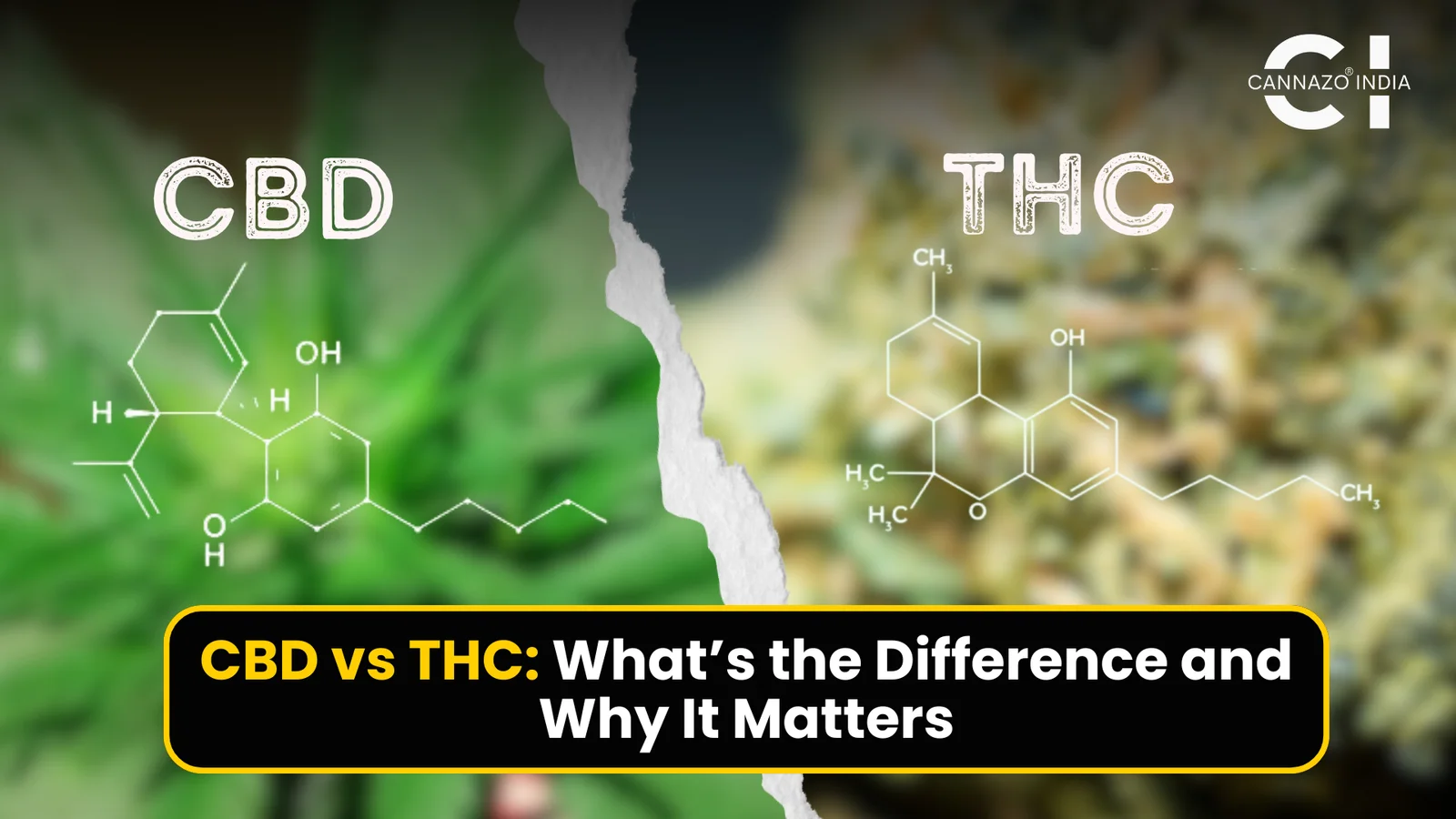
- Source of CBD: Legally, CBD oil in India must be derived from industrial hemp strains, not from the cannabis plant varieties with high THC. The allowed hemp must contain less than 0.3% THC, the psychoactive ingredient responsible for the “high.” Products with THC above this limit are treated as narcotic substances and banned under the NDPS Act.
- Purpose of Use: CBD oil is permitted only for medicinal purposes. It is classified as a proprietary Ayurvedic medicine or therapeutic product, meaning it must be manufactured according to licensed protocols and used under medical supervision. Recreational use or use without a medical reason is illegal.
- Medical Oversight: Patients must consult a registered medical practitioner who can prescribe CBD oil. This consultation serves as legal documentation ensuring that CBD use is justified and monitored. OTC purchase without prescription is generally not allowed.
- Manufacture and Sale: CBD products must be produced by licensed manufacturers complying with the Drugs and Cosmetics Act. They are subject to third-party lab testing for purity, THC content, and labeling accuracy, ensuring safety and adherence to legal limits. Only products meeting these standards can be legally sold and distributed.
- Import and State Regulations: Imported CBD oils need to meet Indian legal standards; otherwise, they risk confiscation. Some states may impose additional rules around cannabis product sale and use, so compliance with local laws is necessary.
- Prohibitions: Personal or recreational use of CBD oil, use without medical necessity, or possession of products with higher THC content can lead to legal penalties including fines and imprisonment. [3]
Conclusion
In conclusion, CBD oil shows strong potential as a complementary therapy in the management of cancer-related symptoms and the side effects of conventional treatments. When used carefully and under the supervision of qualified healthcare professionals, CBD can help patients experience relief from pain, nausea, loss of appetite, sleep disturbances, anxiety, and depression, thereby improving overall comfort and quality of life.
However, it is important to recognize that CBD oil is not a replacement for standard cancer treatments such as chemotherapy, radiation, or surgery. Its role lies in supporting patients holistically addressing physical and emotional challenges while enhancing the body’s ability to cope with treatment.
As scientific research continues to evolve, more information will emerge regarding optimal dosages, long-term safety, and the most effective formulations. This growing body of evidence will help healthcare providers make better-informed decisions about integrating CBD into personalized care plans.
Ultimately, with careful product selection, proper dosing, and ongoing medical guidance, CBD oil can become a valuable, natural addition to comprehensive cancer care, offering hope and improved well-being for many patients on their healing journey.
FAQs
- Can CBD oil cure cancer?
Currently, there is no evidence to suggest that CBD can cure cancer; it is primarily used to alleviate symptoms and improve quality of life.
- What is the best form of CBD oil for cancer patients?
Oral oils and capsules are preferred for systemic symptom management, while topical forms can help with localized pain or inflammation.
- Can CBD oil interact with chemotherapy drugs?
Yes, CBD can influence the metabolism of certain chemotherapy agents, potentially affecting their efficacy and side effects; professional consultation is essential.
References
- STORE, T. I. (2024, August 29). Cannabidiol Oil And Cancer in India: What to Know. THC STORE INDIA. https://www.thcstore.in/post/cannabidiol-oil-and-cancer-in-india-what-to-know
- O’Brien, K. (2022). Cannabidiol (CBD) in Cancer Management. Cancers, 14(4), 885. https://doi.org/10.3390/cancers14040885
- CannazoIndia. (2025, May 20). Cannabidiol (CBD) oil has gained significant attention as a complementary therapy for people undergoing cancer treatment in India. While CBD is not a cure for cancer, emerging research and clinical guidelines suggest it may help manage some of the side effects of cancer and its treatments. Linkedin.com. https://www.linkedin.com/pulse/guide-using-cbd-oil-during-cancer-treatment-cannazoindia-qykcc
- Dr. Parul. (2023, November 8). Cannabidiol in Cancer Management. Qurist. https://qurist.in/blogs/news/cannabidiol-in-cancer-management
- Jain, S. (2023, September 26). Cancer Pain Management With CBD. India Hemp Organics. https://indiahemporganics.com/blogs/news/cancer-pain-management-with-cbd
- Cancer Dosing Guidelines – Realm of Caring Foundation. (2021, May 25). Realm of Caring Foundation. https://realmofcaring.org/cancer-dosing-guidelines/
- Cannabis derivatives | The Brain Tumour Charity. (n.d.). Www.thebraintumourcharity.org. https://www.thebraintumourcharity.org/brain-tumour-diagnosis-treatment/treating-brain-tumours/emerging-treatments/cannabis-derivatives/