Apply Code: CANNAZO10 & Get 10% OFF on Your Order! Feel the Balance — Use Code BERBERINE20 for 20% Off On Liposomal Berberine
Apply Code: CANNAZO10 & Get 10% OFF on Your Order! Feel the Balance — Use Code BERBERINE20 for 20% Off On Liposomal Berberine
Apply Code: CANNAZO10 & Get 10% OFF on Your Order! Feel the Balance — Use Code BERBERINE20 for 20% Off On Liposomal Berberine
Apply Code: CANNAZO10 & Get 10% OFF on Your Order! Feel the Balance — Use Code BERBERINE20 for 20% Off On Liposomal Berberine
Apply Code: CANNAZO10 & Get 10% OFF on Your Order! Feel the Balance — Use Code BERBERINE20 for 20% Off On Liposomal Berberine
Apply Code: CANNAZO10 & Get 10% OFF on Your Order! Feel the Balance — Use Code BERBERINE20 for 20% Off On Liposomal Berberine
Apply Code: CANNAZO10 & Get 10% OFF on Your Order! Feel the Balance — Use Code BERBERINE20 for 20% Off On Liposomal Berberine
Apply Code: CANNAZO10 & Get 10% OFF on Your Order! Feel the Balance — Use Code BERBERINE20 for 20% Off On Liposomal Berberine
Apply Code: CANNAZO10 & Get 10% OFF on Your Order! Feel the Balance — Use Code BERBERINE20 for 20% Off On Liposomal Berberine
Apply Code: CANNAZO10 & Get 10% OFF on Your Order! Feel the Balance — Use Code BERBERINE20 for 20% Off On Liposomal Berberine
Apply Code: CANNAZO10 & Get 10% OFF on Your Order! Feel the Balance — Use Code BERBERINE20 for 20% Off On Liposomal Berberine
Apply Code: CANNAZO10 & Get 10% OFF on Your Order! Feel the Balance — Use Code BERBERINE20 for 20% Off On Liposomal Berberine
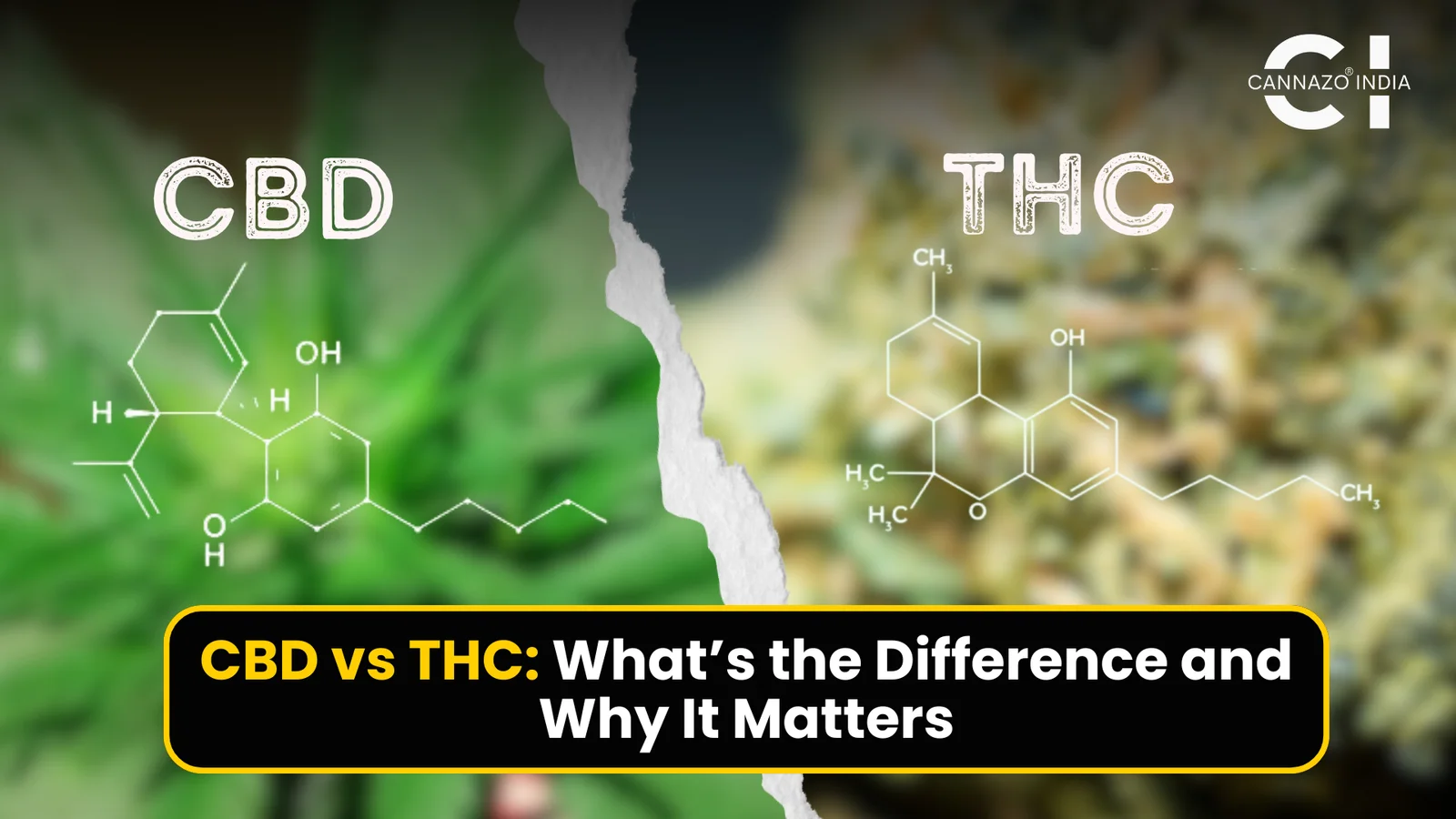
CBD (cannabidiol) and THC (tetrahydrocannabinol) are two major cannabinoids from the cannabis plant, but they act very differently in the body. In India, CBD oil is permitted only within a narrow legal framework that limits THC levels and requires licensed manufacturing and medical guidance. This blog explains what CBD oil with THC is, how it works, its potential benefits and risks, and what current Indian regulations allow.
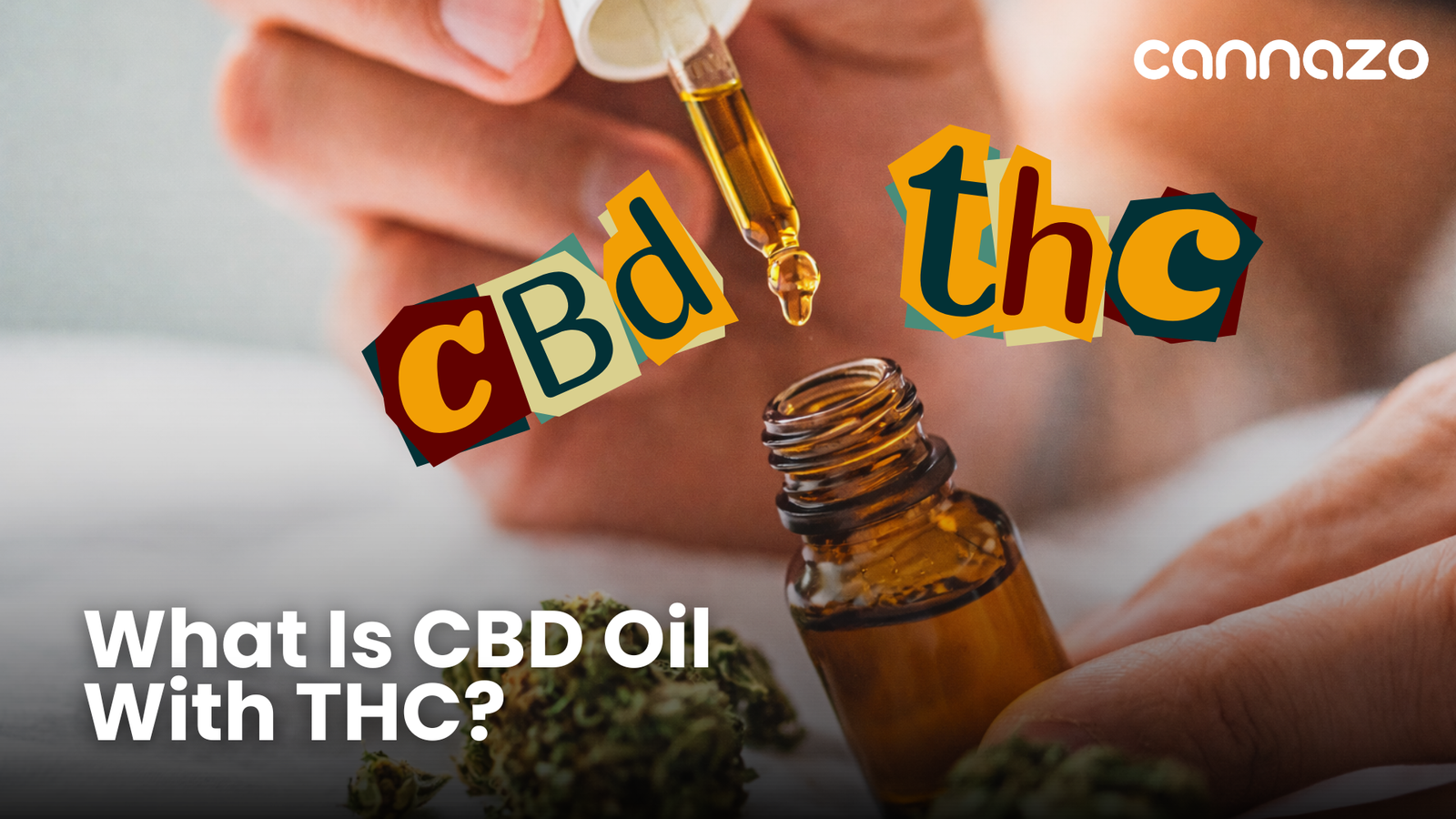
What Is CBD Oil With THC?
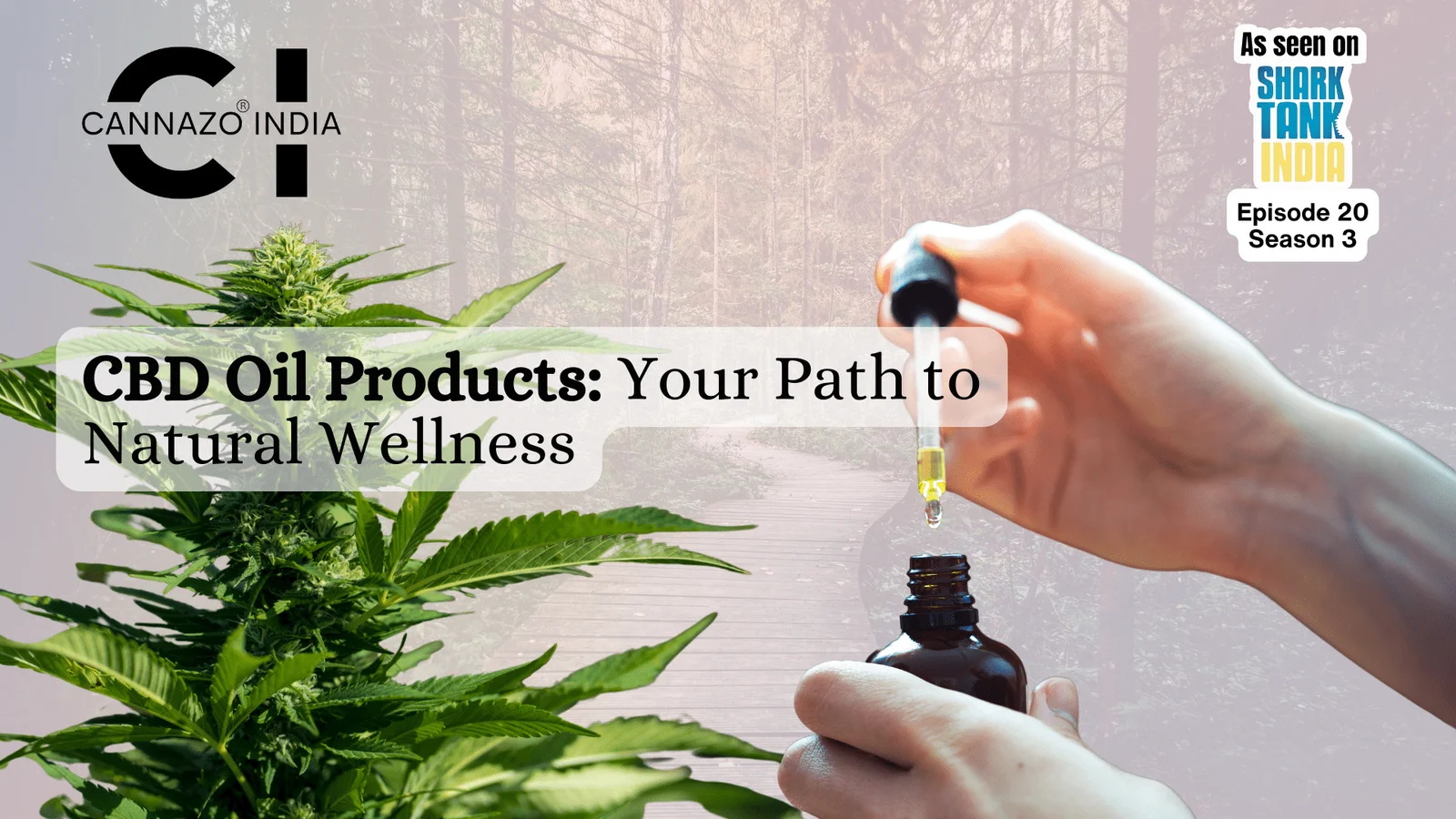
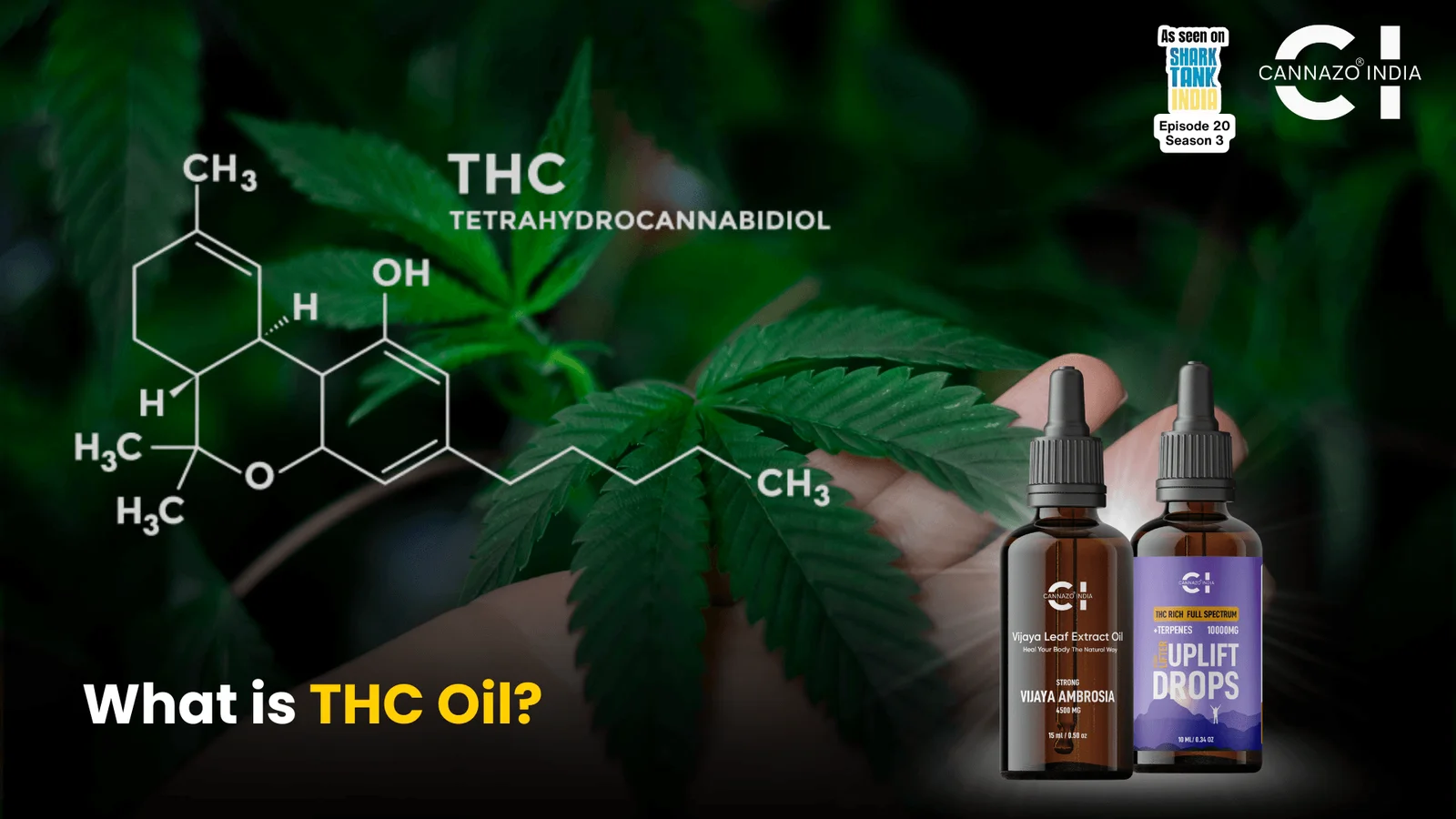
CBD oil with THC is an extract from hemp or cannabis that contains CBD as the main active compound plus a measurable amount of THC, usually kept below 0.3% in India for it to be considered legal and non-intoxicating. The extract is typically diluted in a carrier oil (like MCT or hemp seed oil) and used as drops, capsules, or other oral formats for therapeutic purposes such as pain, anxiety, or sleep issues.
CBD itself is non-impairing and does not cause a “high,” while THC is the psychoactive compound responsible for intoxication at higher doses. When both are present in low, controlled amounts, they can work together through the “entourage effect,” where multiple cannabinoids and terpenes may enhance each other’s potential benefits.
Types of CBD Oils Based on THC Content
Manufacturers classify CBD oil mainly by how much THC and other cannabinoids they contain.
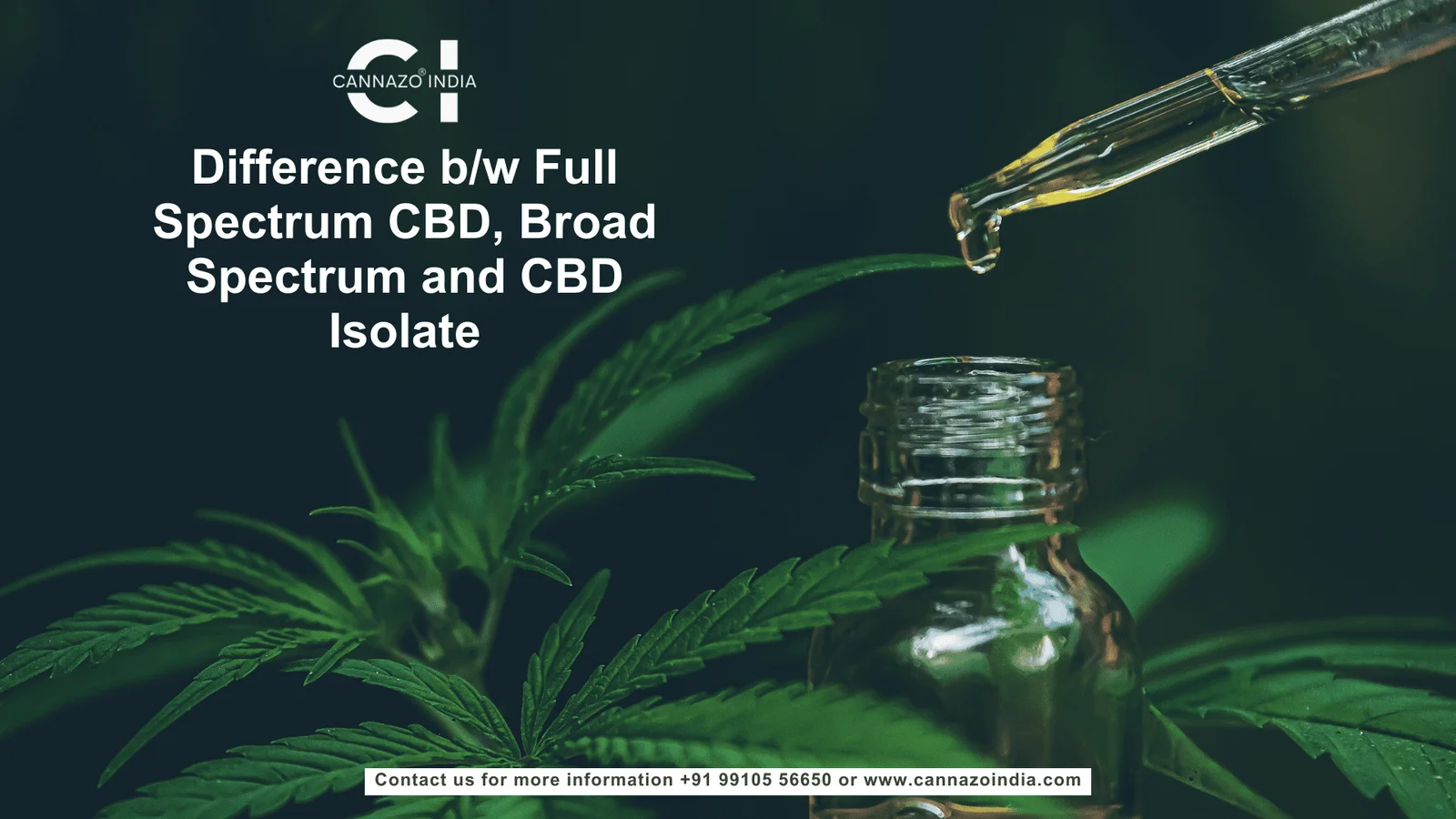
Full-Spectrum CBD Oil
Full-spectrum CBD oil contains CBD, trace THC, and other naturally occurring cannabinoids, terpenes, and flavonoids from the plant. In many markets, including India’s hemp-based space, full-spectrum oils usually keep THC under 0.3% to remain non-intoxicating and compliant with regulations.
Because it preserves the full profile of plant compounds, full-spectrum oil is often preferred when users want the potential entourage effect for conditions like chronic pain, inflammation, or anxiety. However, even trace THC may have implications for drug testing and legal status if limits are exceeded.
Broad-Spectrum CBD Oil
Broad-spectrum CBD oil contains CBD plus other cannabinoids and terpenes but has THC removed to non-detectable levels. It aims to provide some entourage effect benefits without the legal and psychoactive concerns linked to THC.
This type can suit individuals who are sensitive to THC, are worried about workplace drug tests, or simply want to avoid THC entirely while still benefiting from multiple cannabinoids. Many Indian hemp brands also offer broad-spectrum products as a conservative option for first-time users.
CBD Isolate
CBD isolate is the purest form of CBD, with virtually no other cannabinoids or terpenes, and 0% THC. It is typically sold as crystals, powder, or infused into oils where CBD is the only active cannabis component.
Isolate may be helpful for people needing precise dosing or those under strict zero-THC policies; however, it lacks the entourage effect that full-spectrum or broad-spectrum products may provide. Some users therefore find lower doses of full-spectrum more effective than higher doses of isolate for the same issues.
How CBD Oil With THC Works in the Body
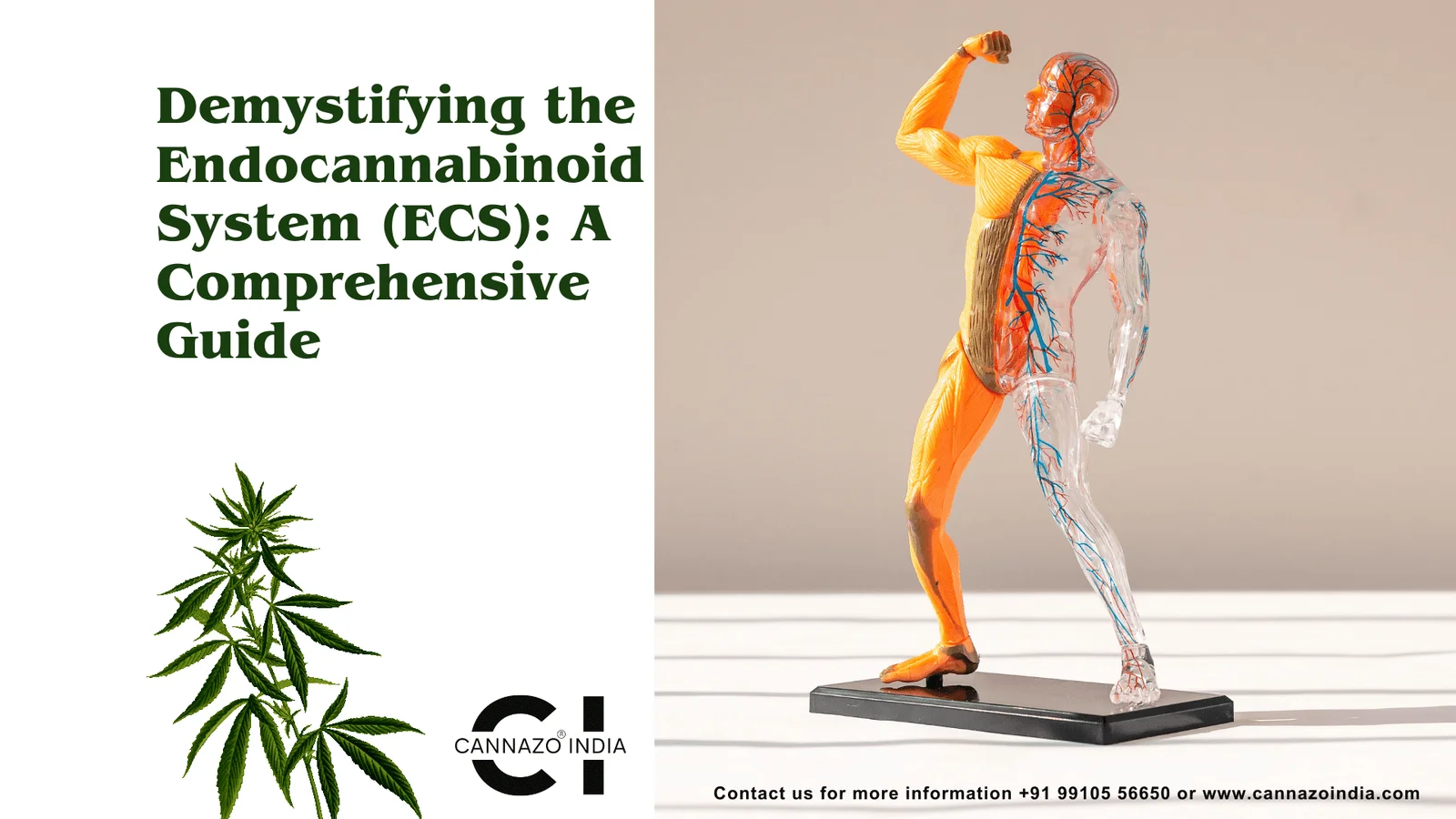
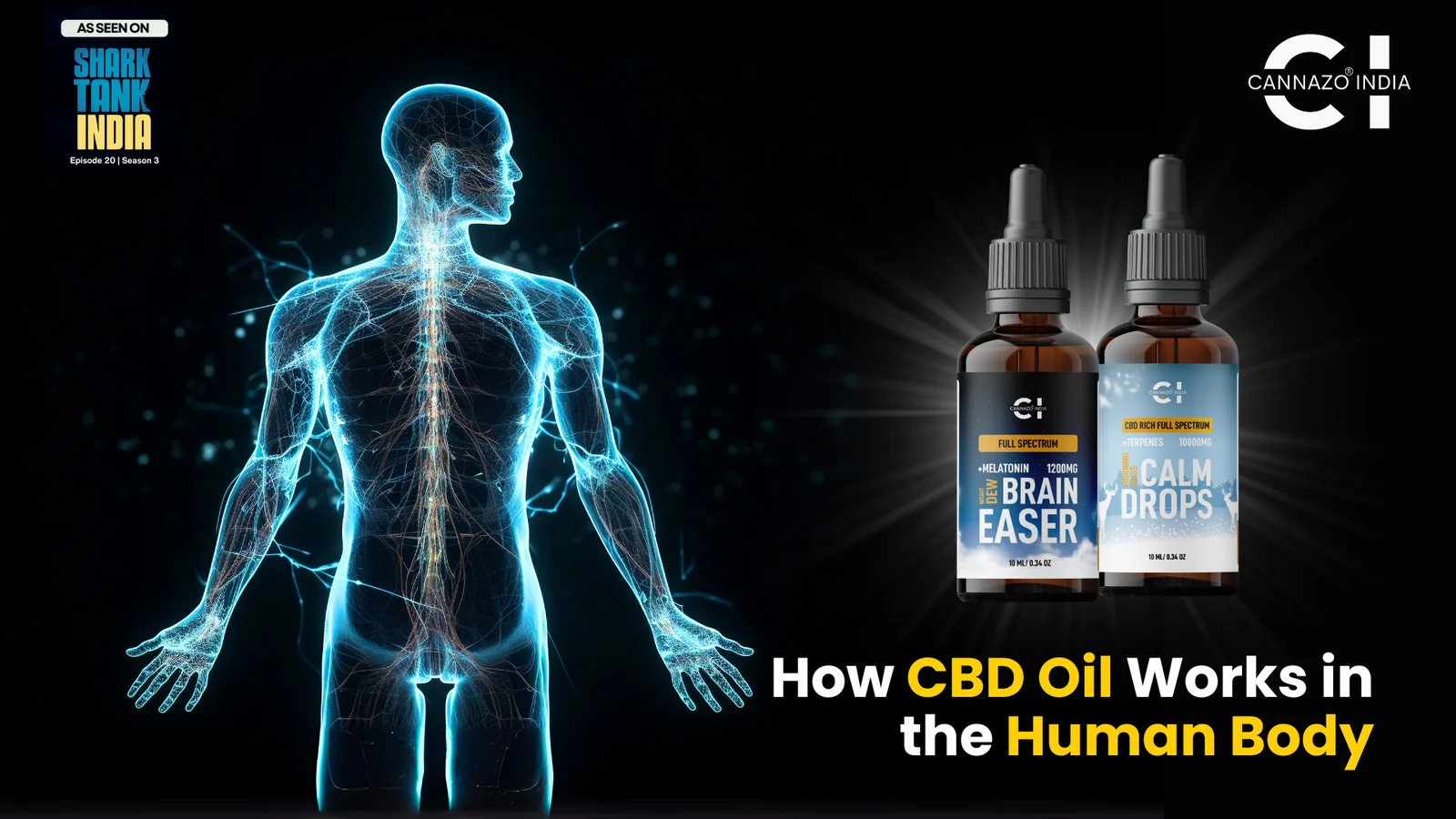
CBD and THC interact primarily with the endocannabinoid system (ECS), a network of receptors (CB1, CB2) and signalling molecules that help regulate pain, mood, sleep, appetite, and inflammation. THC binds more directly to CB1 receptors in the brain, which is why high levels can cause intoxication, while CBD has more indirect and modulating actions on receptors and enzymes.
In low-THC, CBD-dominant oils, CBD can dampen some of THC’s psychoactive effects while both cannabinoids may contribute to analgesic, anxiolytic, and anti-inflammatory responses. Terpenes and minor cannabinoids present in full- or broad-spectrum oils can further modulate this response through the entourage effect, potentially making the overall effect broader and more balanced than isolated CBD alone.
Potential Benefits of CBD Oil With THC
Evidence is still evolving, but CBD oils (especially full-spectrum) are widely explored for several health concerns.
Commonly discussed potential benefits include:
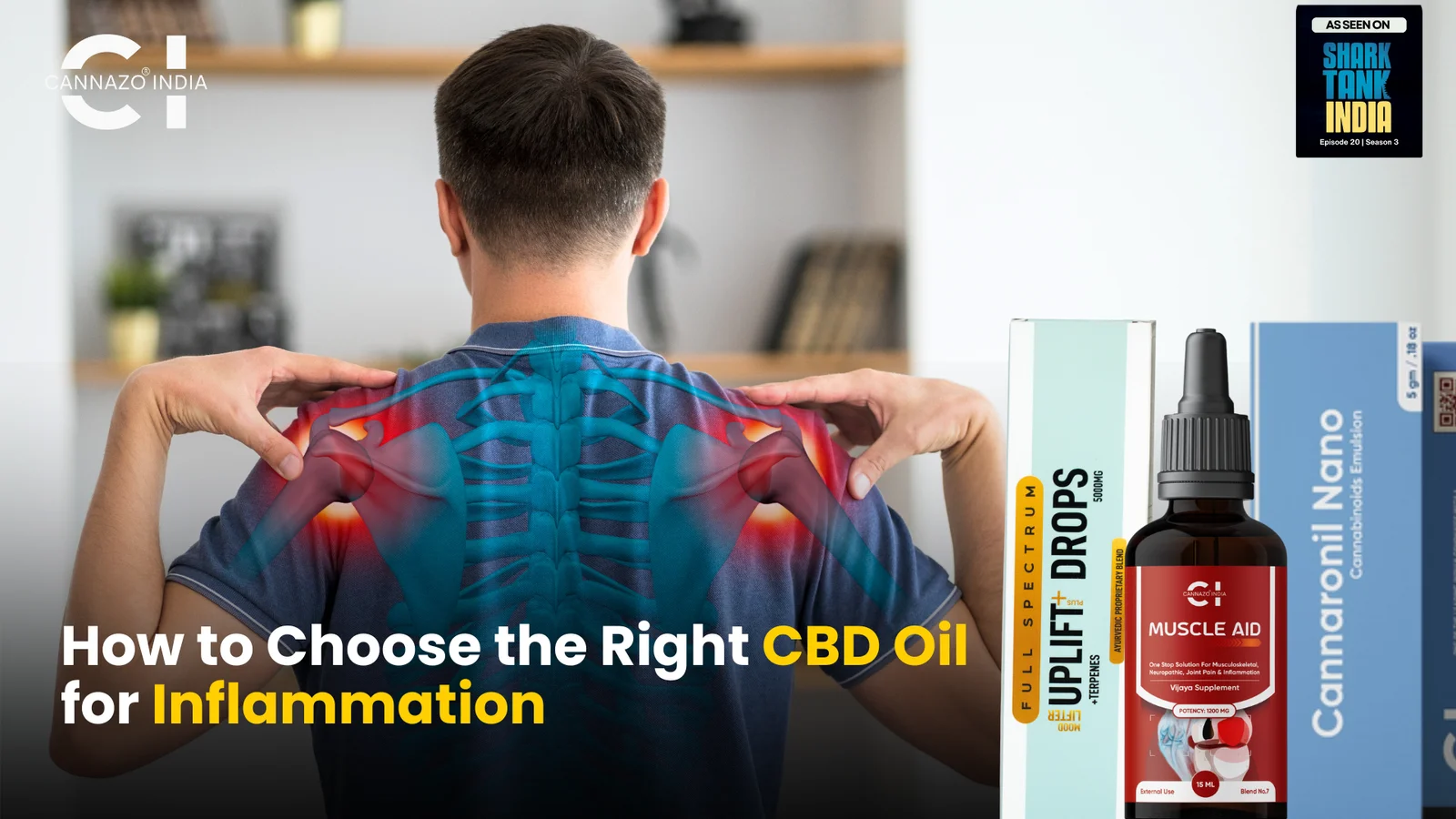
Relief from chronic pain and inflammation, especially musculoskeletal pain, neuropathic pain, and conditions like arthritis.
Reduction in anxiety, stress, and sleep disturbances, helping some people feel calmer and fall asleep more easily.
Supportive role in nausea and appetite issues in certain medical condition.
Adjunctive use in some neurological conditions, under specialist guidance, due to CBD’s interaction with brain signalling.
In the Indian context, CBD oils marketed as Ayurvedic or cannabis-leaf-based medicines are usually positioned for pain, anxiety, sleep support, and overall wellness under a practitioner’s supervision.
Does CBD Oil With THC Cause a “High”?
Low-THC, hemp-derived full-spectrum CBD oils (THC under 0.3%) are generally not considered intoxicating and are unlikely to cause a classic cannabis “high.” THC at very low levels mainly contributes to therapeutic synergy rather than overt psychoactive effects.
However, if THC concentration rises above roughly 1% and doses are high enough, psychoactive effects can begin to appear, such as euphoria or altered perception. Indian law treats higher-THC products as narcotic or psychotropic substances, which fall under stricter control and may be illegal outside regulated medical use.
Individual sensitivity also matters; some people may feel subtle effects even at low THC levels, especially those with little prior exposure to cannabis. Starting with low doses and monitoring response is therefore important.
Is CBD Oil With THC Legal in India?
In India, CBD oil is legal only under specific conditions tied to the NDPS Act and the Drugs and Cosmetics Act. Key points include:
The product must be derived from hemp or cannabis leaf, not high-THC flowering tops, and THC content must remain below about 0.3% to be considered non-narcotic.
It must be manufactured by licensed entities under the Drugs and Cosmetics Act, often as an Ayurvedic or cannabis leaf–based medicine.
Many products require medical supervision or a recommendation from a registered medical practitioner, and they are intended for therapeutic, not recreational, use.
Using CBD oil purely for recreational purposes, or using higher-THC cannabis extracts outside this framework, can invite legal risk under Indian narcotics law. Consumers should therefore verify source, license details, and lab reports when buying CBD oil in India.
Safety, Side Effects & Precautions
CBD is generally considered to have a good safety profile, but side effects and interactions are still possible, especially at higher doses or when combined with THC.
Commonly reported side effects include:
Drowsiness or fatigue.
Dry mouth or changes in appetite.
Mild digestive discomfort, such as diarrhoea or nausea, in some users.
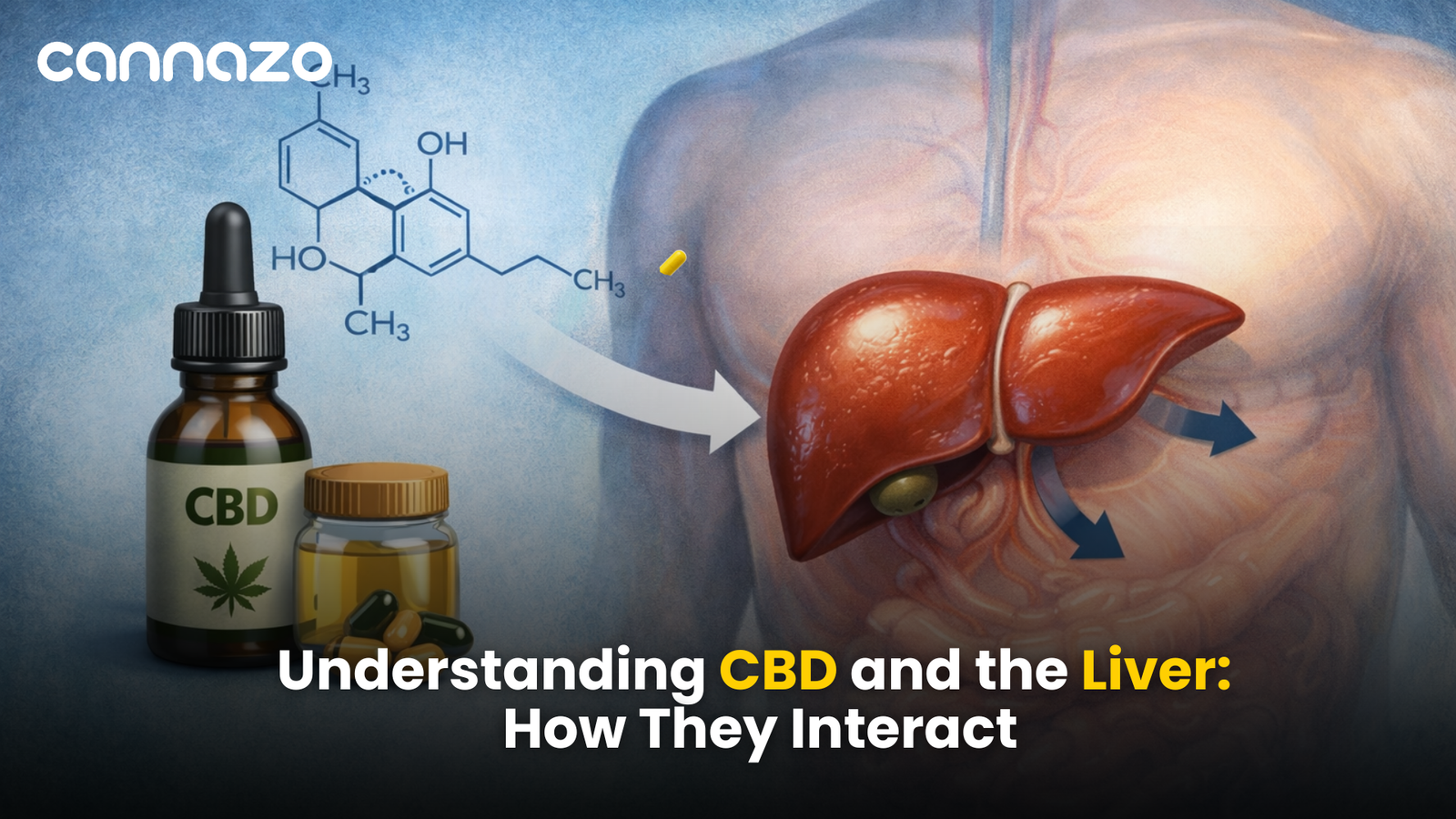
CBD can also interact with medications such as antidepressants, opioid painkillers, and anti-epileptic drugs, often via liver enzyme pathways. Because of this, it is essential to consult a doctor before starting CBD, especially if you take regular prescription medicines, are pregnant or breastfeeding, or have liver issues.
In India, medically supervised use is emphasised precisely to manage these safety and interaction concerns.
How to Choose a Quality CBD Oil With THC
Choosing a reliable product is critical for both safety and legal compliance in India.
Key factors to look for:
Source and type of extract: Confirm whether it is full-spectrum, broad-spectrum, or isolate and ensure it is hemp or cannabis-leaf–based with THC within legal limits (generally under 0.3%).
Licensed manufacturer: Check that the brand has the required licenses under the Drugs and Cosmetics Act and, when applicable, is recognised as an Ayurvedic or cannabis-leaf medicine manufacturer.
Third-party lab testing: Always look for recent, independent lab certificates (COAs) showing CBD and THC content, as well as tests for heavy metals, pesticides, and microbial contamination.
Clear labelling and dosage: Reputable brands provide mg of CBD per ml, THC content, batch numbers, expiry dates, and usage directions.
Medical guidance: Prefer products that are designed for use under physician supervision and that clearly state their intended therapeutic use.
CBD Oil With THC vs CBD Oil Without THC
The presence or absence of THC significantly shapes how a CBD product behaves and how it is regulated.
Key differences
Aspect
CBD Oil With THC (Full-Spectrum)
CBD Oil Without THC (Broad-Spectrum / Isolate)
THC content
Contains trace THC, usually <0.3% in legal hemp oils.
Broad-spectrum: ND/trace; Isolate: 0% THC.
Entourage effect
Stronger, due to multiple cannabinoids plus THC.
Present with broad-spectrum (no THC), absent with isolate.
Risk of “high”
Very low at <0.3% THC, but higher if limits exceeded or high doses.
Essentially none, as THC is absent.
Drug test concerns
Small risk of positive test, especially with frequent use.
Much lower risk, especially with isolated products.
Legal sensitivity in India
Must strictly comply with THC limits and licensing rules.
Still regulated as CBD, but absence of THC can reduce legal and workplace concerns.
Best suited for
Users seek maximum therapeutic synergy and are okay with trace THC under medical supervision.
Users under strict no-THC policies, very THC-sensitive individuals, or cautious beginners.
FAQ
Can CBD oil with THC show up in a drug test? Yes, CBD oil that contains THC, even in trace amounts, can potentially lead to a positive result on drug tests that screen for THC or its metabolites, especially with regular or high-dose use. The risk is lower with oils that keep THC well below 0.3% and are used in modest doses, but it is not zero. If drug testing is a serious concern (for example, in certain jobs), it is safer to opt for broad-spectrum or isolate products that are verifiably THC-free and to confirm this with lab reports.
Is it safe for daily use? Many people use CBD oil daily, and CBD is generally regarded as having a favourable safety profile when used responsibly. However, daily use should be supervised by a healthcare professional, especially in India, where products are positioned as medicinal and may interact with other drugs or health conditions.
A physician can help you:
Choose the right type (full-spectrum vs THC-free).
Start with a low dose and titrate slowly.
Monitor for side effects or drug interactions over time.
Can it be used for anxiety or pain? CBD oils, particularly full-spectrum formulations, are commonly explored for anxiety, stress, sleep disturbances, and various types of pain. Some users report improved pain control and calmer mood when using CBD under guidance, and many Indian brands market their hemp-based oils specifically for these concerns as Ayurvedic or wellness products.
However, responses are individual, and CBD is not a guaranteed cure. A doctor experienced with cannabinoid-based medicine should assess your case, current medications, and appropriate dosing, especially if mental health issues or severe chronic pain are involved.
Is a doctor’s prescription required in India? For products positioned as cannabis leaf or CBD-based medicines under the Drugs and Cosmetics Act, consultation with a registered medical practitioner is expected, and some products effectively require a prescription or at least a documented medical recommendation. Regulations emphasise therapeutic, supervised use rather than self-medication or recreational consumption. While some online platforms may sell CBD oil more casually, using these products without medical advice can risk legal non-compliance and may be unsafe if you have underlying conditions or take other medicines. It is prudent to treat CBD oil with THC as a prescription-style supplement and involve a doctor from the start.
Conclusion
CBD oil with THC in India is best understood as a medically oriented, hemp-derived extract that combines CBD with legally limited THC, offering potential benefits for pain, anxiety, sleep, and overall wellness when used correctly. Its safe and lawful use depends on keeping THC under strict limits, sourcing from licensed manufacturers with transparent lab testing, and using it under the guidance of a registered medical practitioner rather than as a recreational product.