Introduction
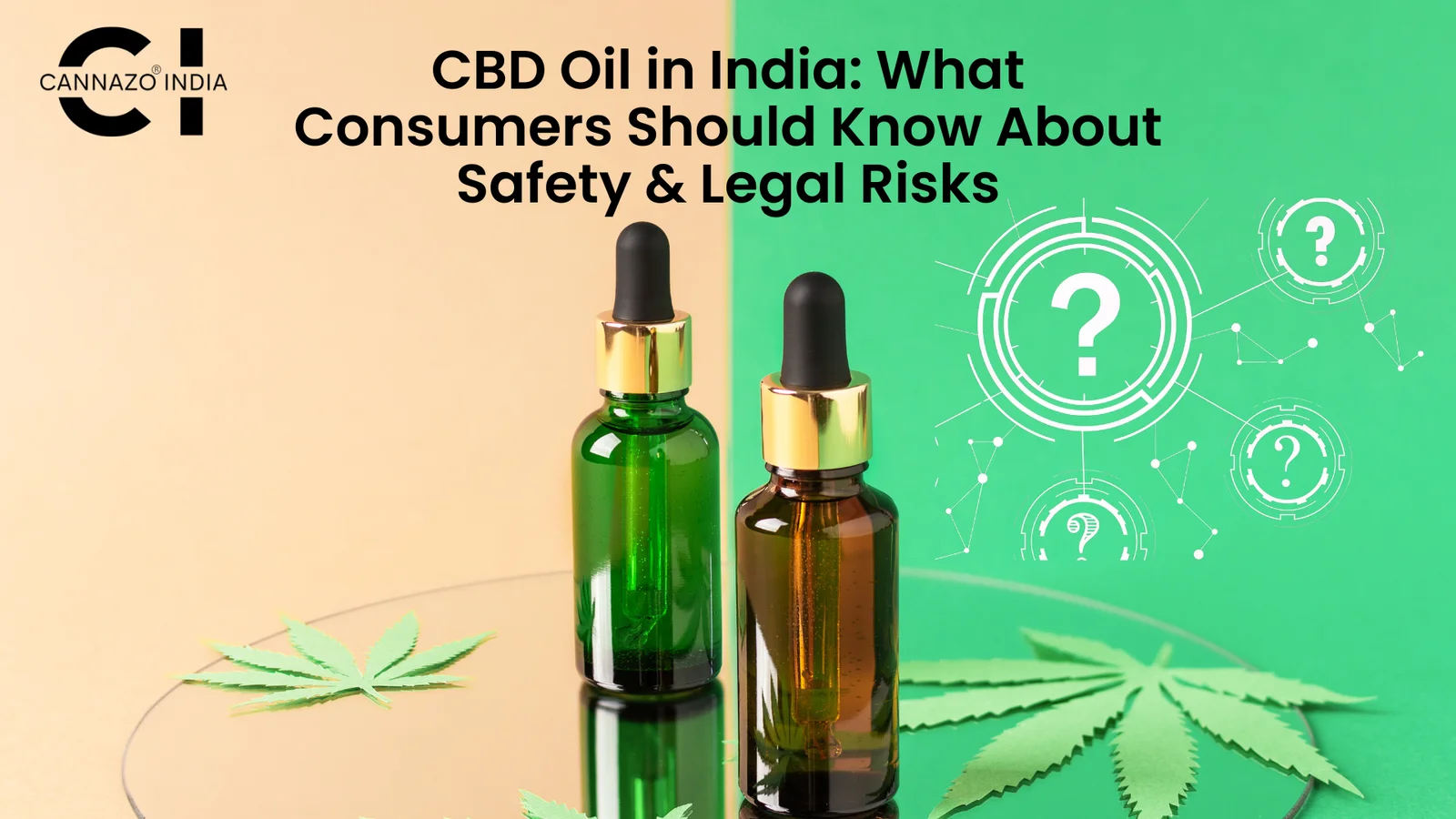
CBD oil, short for cannabidiol oil, has rapidly gained popularity in India’s wellness space, attracting consumers seeking relief from chronic pain, anxiety, insomnia, and inflammatory conditions. As scientific research grows and global acceptance widens, CBD products have entered Indian pharmacies, Ayurvedic clinics, and online wellness stores. However, in India, consumers must navigate a complex mix of legal rules, evolving safety standards, and practical risks before purchasing or using CBD oil. This guide offers a 360-degree view for Indian consumers in 2025, from basic definitions to legal frameworks, product selection, consumer rights, and the shifting future of CBD Oil in India.
What is CBD Oil?
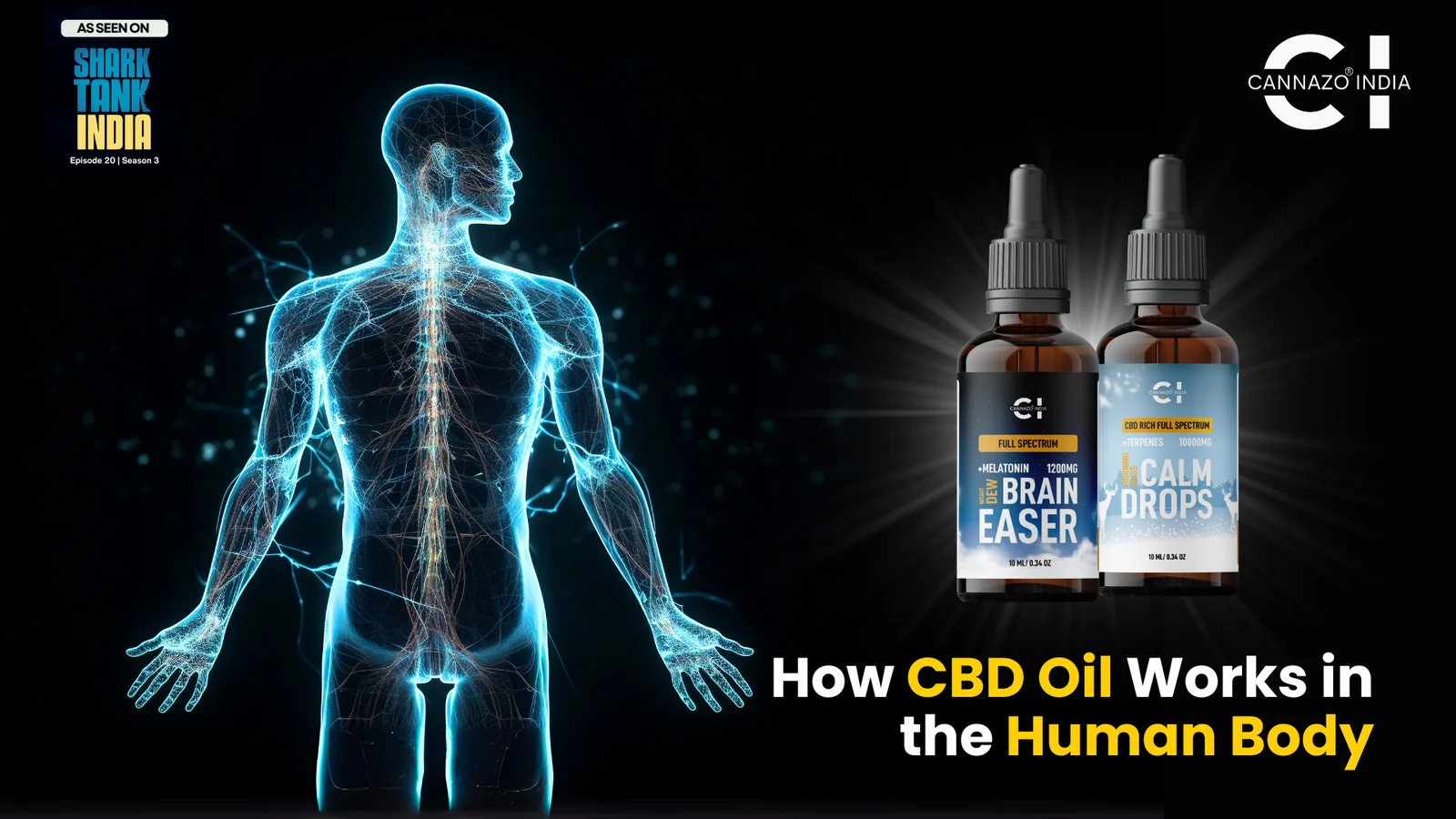
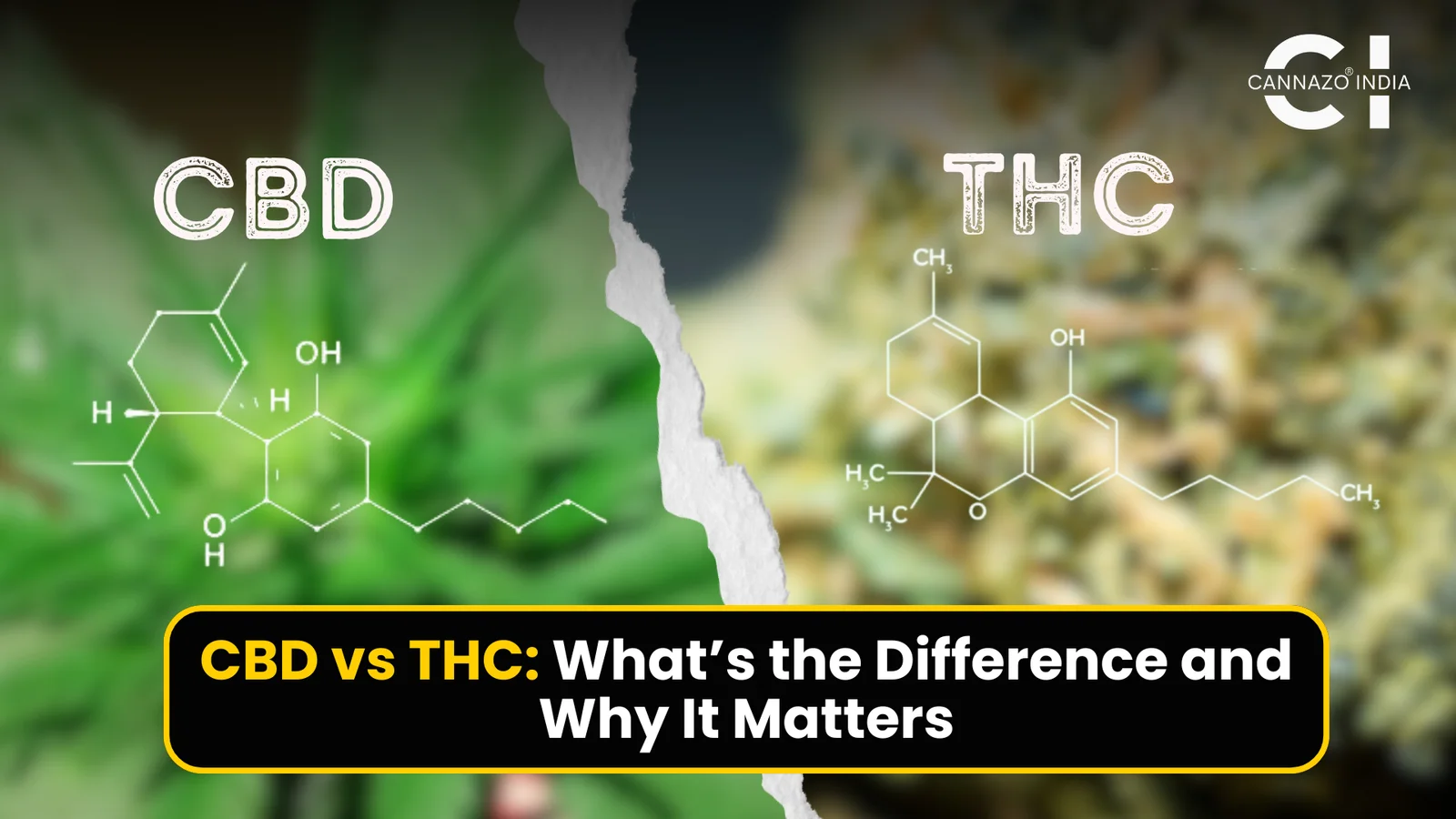
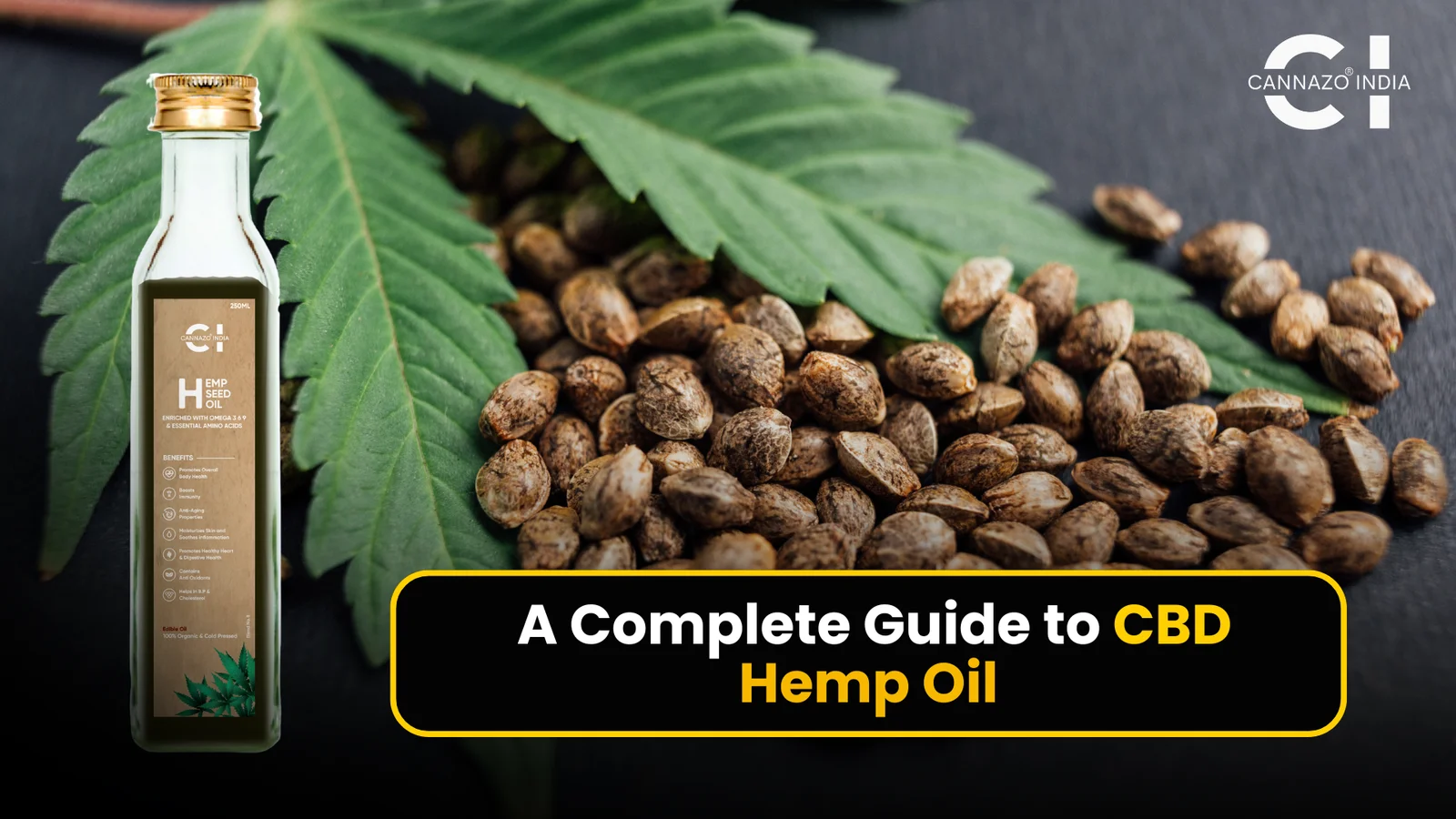
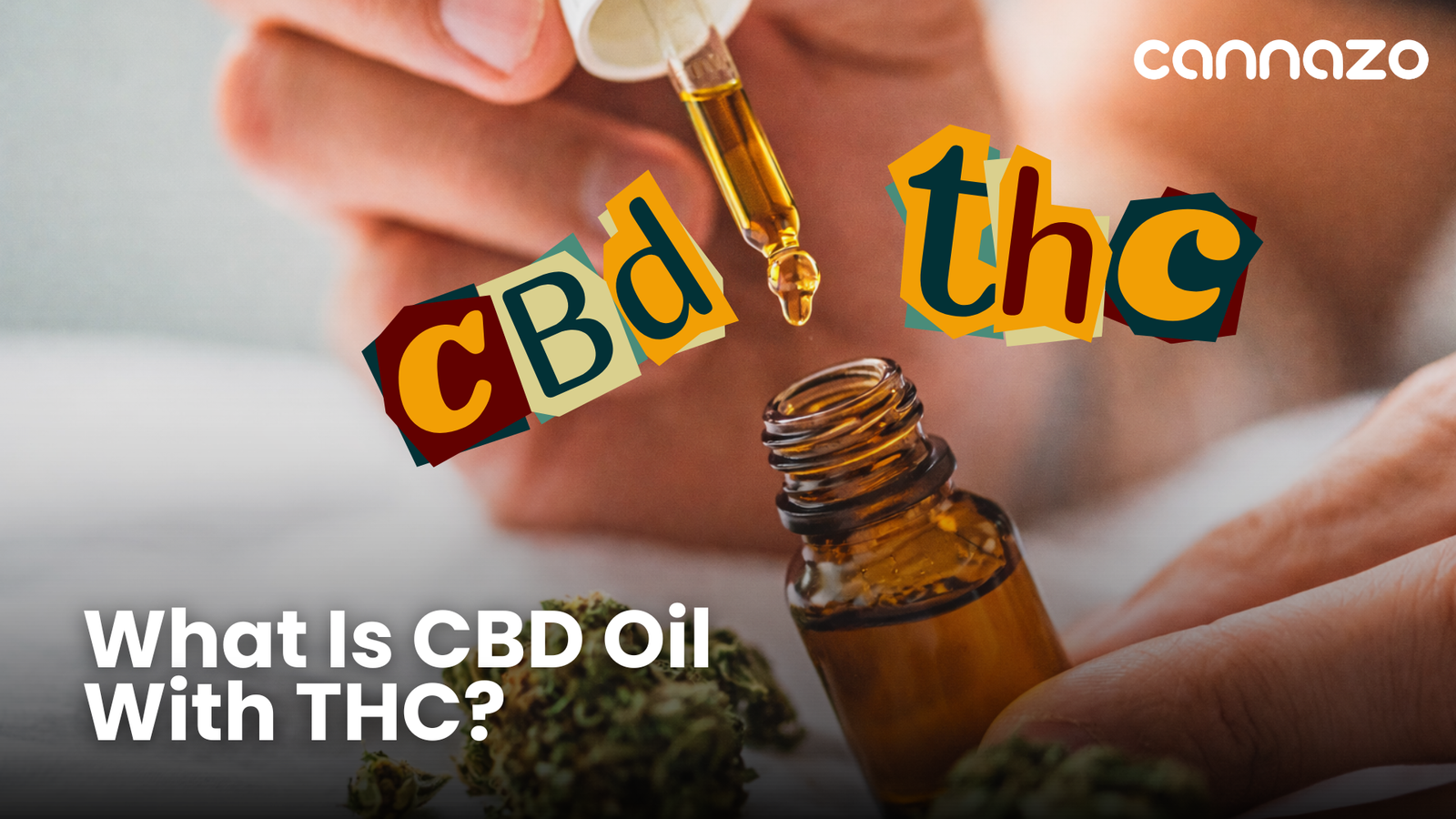
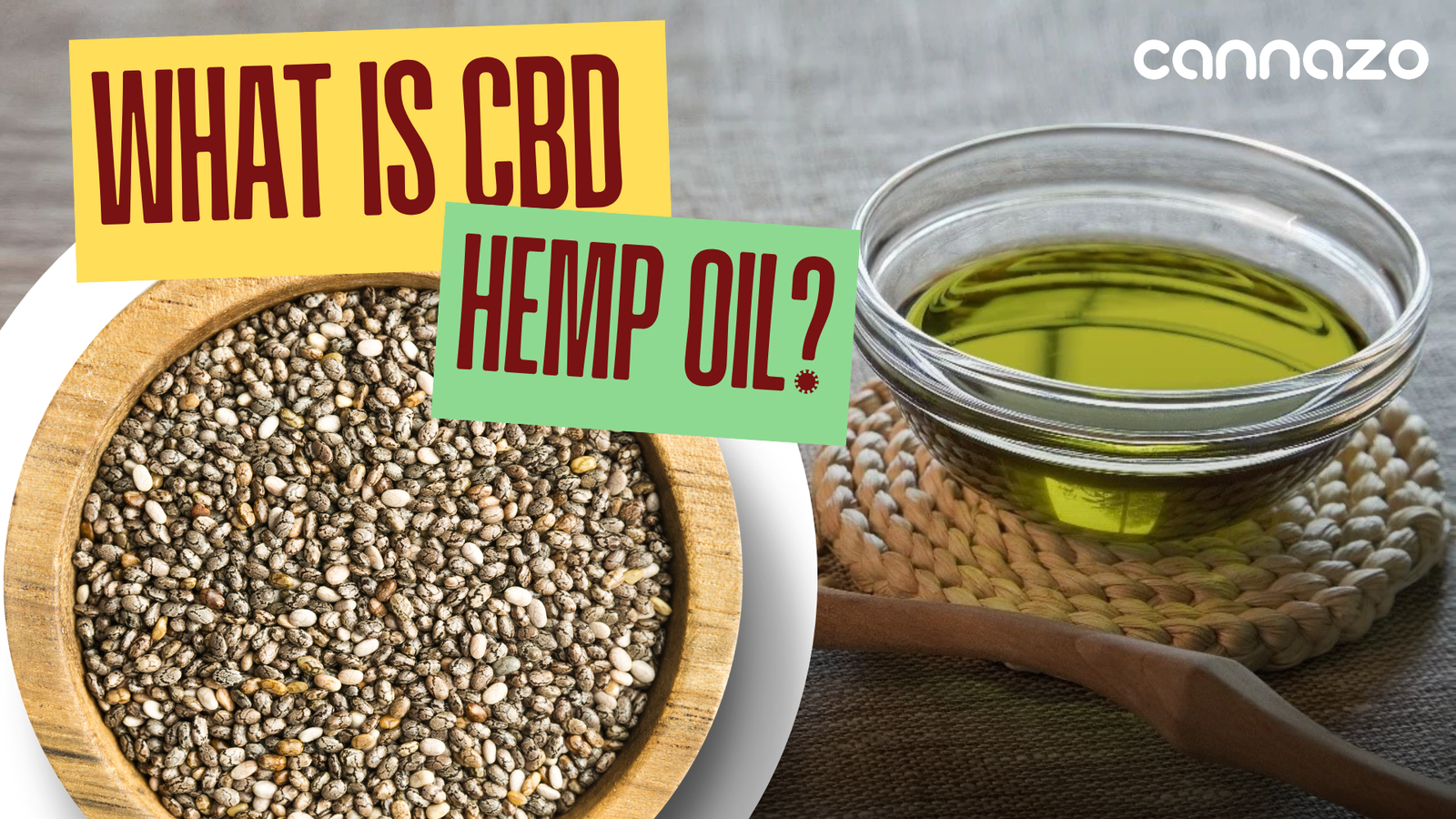
CBD oil is an extract derived mostly from the flowers, leaves, and stalks of the hemp plant, containing cannabidiol (CBD), a non-psychoactive compound. Unlike hemp seed oil (which contains no CBD), CBD oil may offer benefits for pain, stress, and sleep, but does not make users high if it contains less than 0.3% THC, the legal limit in India.[1],[2]
Legal Status of CBD Oil in India
What Laws Govern CBD?
India’s legal regime for cannabis and CBD is defined by several acts:
- NDPS Act (Narcotic Drugs and Psychotropic Substances Act, 1985): Regulates all narcotic substances in India. CBD from hemp with <0.3% THC is exempt from strict controls, but higher THC content or marijuana-derived CBD is fully prohibited.
- Drugs & Cosmetics Act (1940): Requires products marketed as medicine to have a manufacturing license, meet safety standards, and be prescribed under medical supervision.
- AYUSH Guidelines: Ayurveda-based cannabis preparations must comply with the
- Ministry of AYUSH advisory and licensing.[3]
How to Buy CBD Oil Safely in India
CBD’s global surge and the local regulatory grey area in India mean many products are unregulated, counterfeit, or mislabelled, increasing risk to health and legal standing.
Common safety concerns include:
- Improper labelling: Products may claim to be “THC-free” or “hemp-based” but actually contain psychoactive levels of THC, or are not manufactured according to Indian standards.
- No Certificate of Analysis (COA): Only reputable sellers provide lab reports showing actual CBD and THC content, heavy metal and pesticide screening, and proof of compliance.
- Adulteration & contamination: Low-cost or imported CBD products may be contaminated with pesticides, mold, or solvents. These could cause serious health risks, especially to people with compromised immunity, younger populations, or pregnant women.
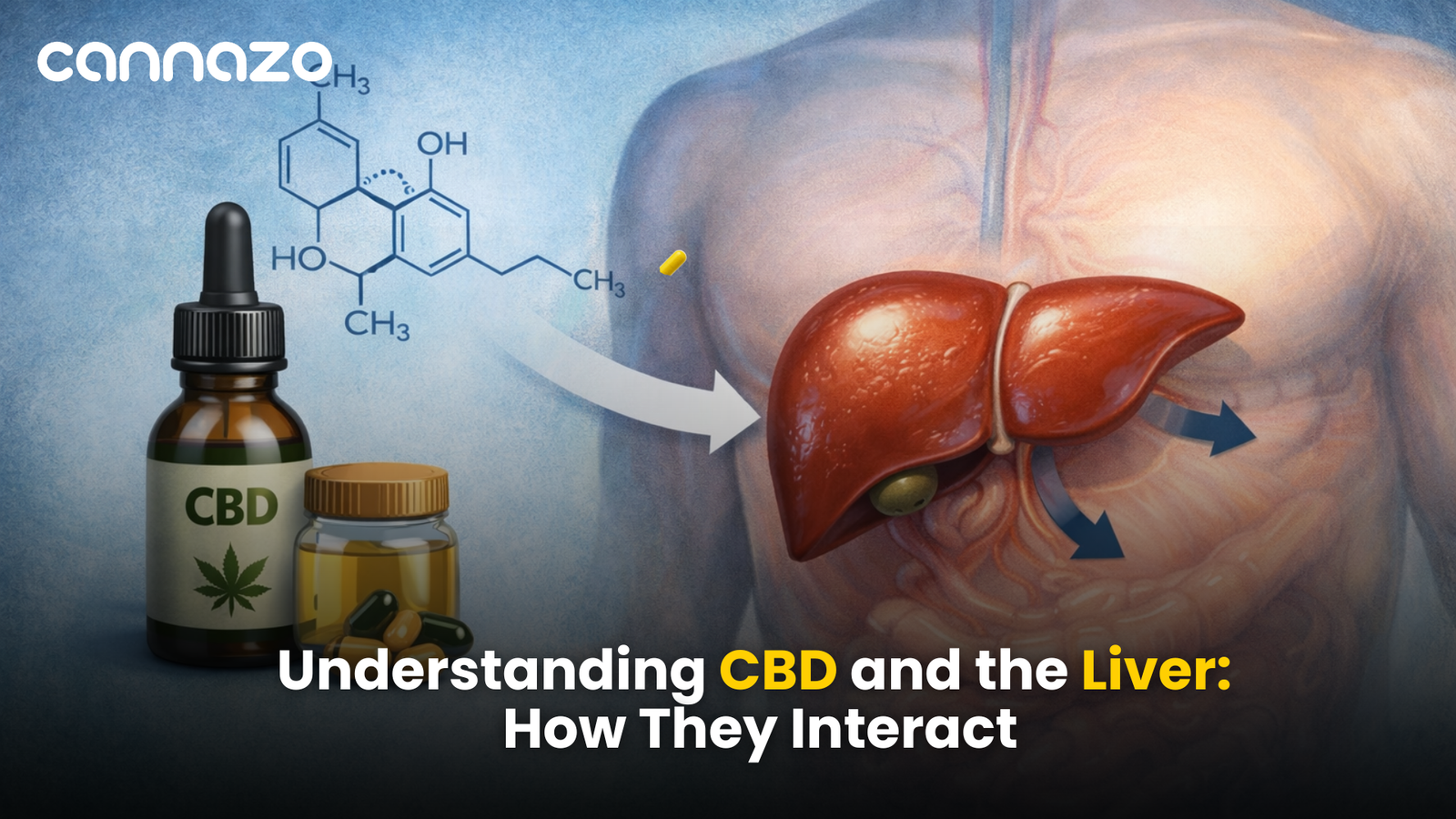
- Drug interactions: CBD can affect blood thinners (warfarin), anti-epileptic drugs, and other common medications by altering metabolism in the liver (cytochrome P450 enzymes).
- Side effects: While generally safe at low doses and from reputable sources, CBD can cause nausea, GI upset, sedation, low blood pressure, or worsen liver function in some users.
To stay safe:
- Buy only from licensed brands with transparent lab testing
- Consult a doctor about health and drug interaction risks
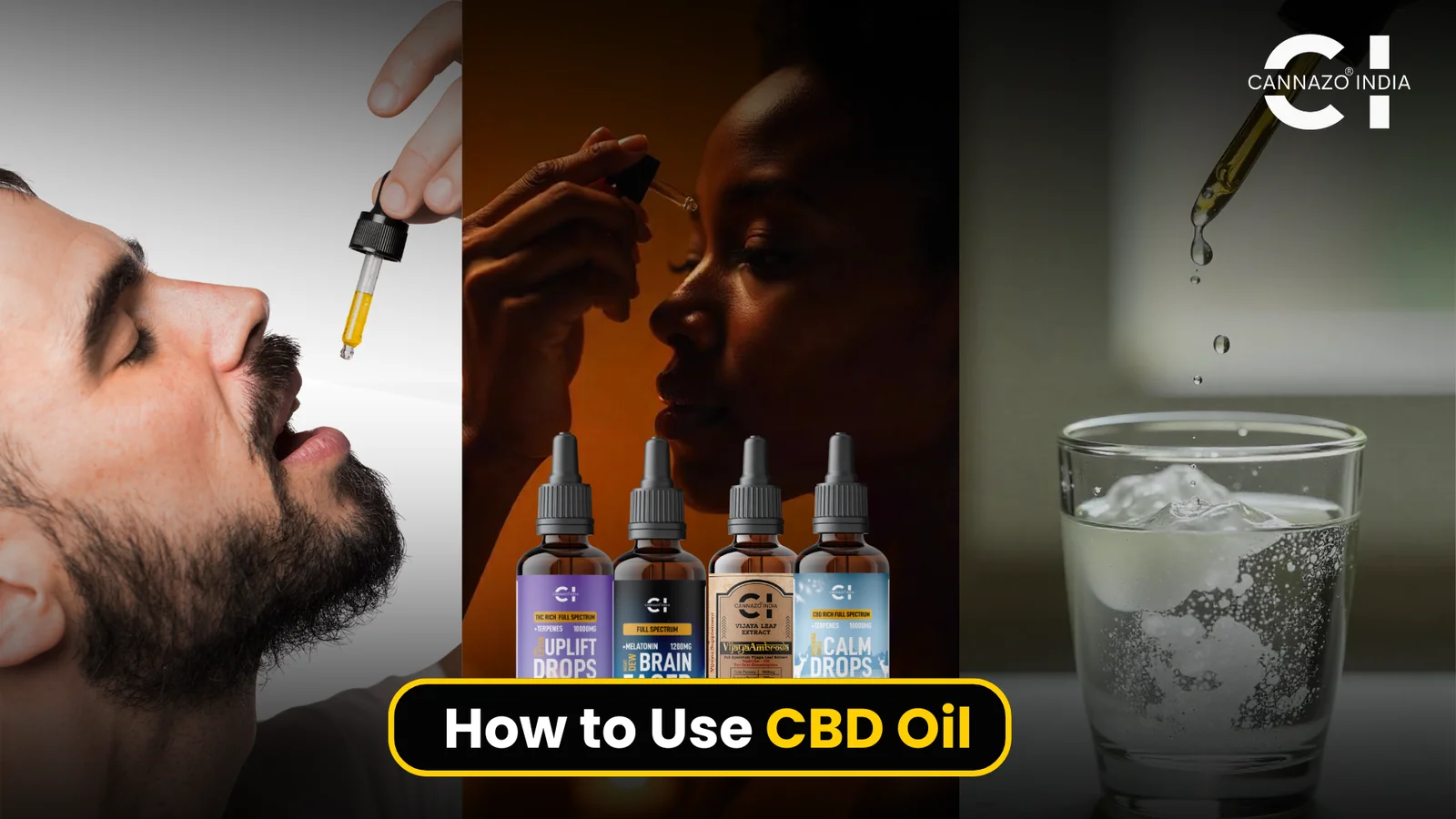
- Start with the lowest dose and monitor effects closely [4]
Legal Risks of Buying CBD Oil in India
Not all online or offline CBD products are legal or safe in India. Risks include:
- Possession of illegal products: Buying or owning products with more than 0.3% THC, lacking a license, or imported unlawfully, can lead to police action under NDPS.
- No prescription: Oral CBD for health use must be prescribed. Use or possession without one risks fines or worse, especially in states with stricter rules.
- Online imports: Customs routinely seize CBD shipments from abroad, as they may not comply with Indian standards or licensing, regardless of foreign origin. Most get sent back; some can result in criminal proceedings.
- Mislabelled or counterfeit products: Brands operating without oversight may misrepresent ingredient content. Consumers are responsible for verifying compliance.
Legal penalties for possessing illegal CBD range from fines to imprisonment, depending on state regulations, quantities, and intent. Always keep purchase records, prescriptions, and lab reports as proof of compliance. [5]
How to Buy CBD Oil Safely in India
A practical safety checklist for Indian consumers:
Consult a Registered Medical Practitioner:
- Discuss symptoms and whether CBD is appropriate
- Secure a written prescription where required
Verify Product Compliance:
- Is the product manufactured in India under the Drugs and Cosmetics Act license?
- Does it come with a batch-specific Certificate of Analysis (COA) stating <0.3% THC?
- Is the seller licensed and transparent about quality controls?
Buy Only From Licensed Sellers:
- Choose Indian brands known for regulatory compliance and third-party testing
- Avoid unknown brands, non-transparent sellers, and social media advertisers
- Retain receipts, prescription, and lab report as proof
Start Slow & Monitor Health Effects:
- Begin with lowest recommended dose
- Observe for any adverse effects, especially drug interactions or allergic reactions
Be Cautious With Online Imports:
- Imported products are high risk: unless formally cleared and compliant, most packages are seized and liable for prosecution [2],[5]
Consumer Rights & Protections
India’s consumer protection laws theoretically apply to CBD products. This means:
- If a product is mislabelled, adulterated, or causes harm, consumers can file complaints against the vendor or manufacturer.
- Ayurvedic CBD products, if manufactured and licensed correctly, fall under the Drugs & Cosmetics Act, giving buyers recourse for violations.
- However, real-world enforcement remains weak in the rapidly evolving CBD space. Many consumers struggle to get redress for lost parcels, poor product quality, or adverse effects.
- Keeping thorough documentation (prescription, invoice, batch COA) increases protection in case of legal trouble or complaints.
Major brands are making efforts to improve transparency and regulatory standards, but buyers should act with caution and scepticism. [3],[4],[5]
The Future of CBD in India
India’s CBD market is expanding swiftly, driven by rising awareness, consumer education, and global trends in holistic wellness, pain management, and mental health. Policymakers face complex challenges, balancing consumer demand with legal controls, preventing narcotic abuse, and ensuring product safety.
- Regulatory clarity is improving, but full national policy is still lacking. State-specific restrictions create uncertainty, especially for online buyers.
- Clinical research is increasing: The Ministry of AYUSH and Central Drugs Standard Control Organisation (CDSCO) support studies into CBD’s medical efficacy, which could expand legal access in the coming years.
- Industry expansion: Ayurvedic and wellness brands, Indian hemp growers, and medical clinics are exploring new product lines, provided they meet compliance.
- Consumer protection: Expect stricter standards on labelling, testing, and prescription requirements, though progress is gradual.
The next five years hold promise for safer, better-regulated, and possibly expanded access to CBD products for Indian consumers, especially if research demonstrates clear public health benefits and regulatory gaps are closed. [1],[3]
Conclusion
CBD oil offers genuine wellness, medical, and therapeutic benefits, but Indian consumers must proceed with diligence, verifying every aspect of legality, safety, and sourcing. Proper research, medical guidance, licensed purchase, and thorough documentation remain the keys to safe, lawful use. India’s CBD sector will likely become more transparent and regulated as demand grows and authorities respond to public needs, making it possible for consumers to enjoy CBD benefits while steering clear of major risks.
FAQ’S
- Is CBD oil legal in India without a prescription?
No. Legally, CBD oil in India (for oral or therapeutic use) should be consumed only with a prescription, unless sold as a licensed Ayurvedic wellness supplement with <0.3% THC and proven compliance. Recreational cannabis/CBD is strictly banned.
- Can you travel with CBD oil in India?
Travel within India is allowed only with compliant, licensed product purchased legally (<0.3% THC, prescription, packaging proof), but travelling internationally or importing CBD is fraught with risk and could result in customs seizure or prosecution. Always check state-specific regulations before carrying CBD across regions.
- Is hemp oil the same as CBD oil?
No. Hemp oil (hemp seed oil) is purely nutritional, containing no CBD, THC, or cannabinoids, it’s made from seeds, not plant flowers. CBD oil is extracted from the plant’s flowers/leaves and contains cannabidiol (CBD) with legal THC limits.
- What happens if you’re caught with illegal CBD products?
Possessing CBD oil/manufactured products with >0.3% THC, without license, or for recreational use can result in severe penalties: fines, criminal proceedings, product seizure, and, depending on circumstances, possible prison time under the NDPS Act. Even small quantities are subject to strict enforcement. Always keep proof of legal purchase, prescription, and certification.
References
- Gandhi, R. (2025, April 8). CBD Hemp Oil (India Guide): What’s Legal & What’s Not. Hempbuti. https://www.hempbuti.in/blogs/news/cbd-hemp-oil-india
- Hempstrol. (2025, March 26). Important Tips To Follow While You Buy CBD Oil In India. Hempstrol.com; Hempstrol. https://www.hempstrol.com/important-tips-to-follow-while-you-buy-cbd-oil-in-india
- Dr. Parul. (2024, November 24). Is CBD Oil Legal in India? Qurist. https://qurist.in/blogs/news/is-cbd-oil-legal-in-india
- Hempstrol. (2025, March 26). Important Tips To Follow While You Buy CBD Oil In India. Hempstrol.com; Hempstrol. https://www.hempstrol.com/important-tips-to-follow-while-you-buy-cbd-oil-in-india
- CannazoIndia. (2025, June 23). The Indian CBD oil market is rapidly growing, but it remains complex and highly regulated. As a consumer, knowing what to look for on a CBD oil label is crucial to ensure you purchase a safe, legal, and effective product. Linkedin.com. https://www.linkedin.com/pulse/buying-cbd-oil-india-what-look-label-cannazoindia-fomoc