Apply Code: CANNAZO10 & Get 10% OFF on Your Order! Feel the Balance — Use Code BERBERINE20 for 20% Off On Liposomal Berberine
Apply Code: CANNAZO10 & Get 10% OFF on Your Order! Feel the Balance — Use Code BERBERINE20 for 20% Off On Liposomal Berberine
Apply Code: CANNAZO10 & Get 10% OFF on Your Order! Feel the Balance — Use Code BERBERINE20 for 20% Off On Liposomal Berberine
Apply Code: CANNAZO10 & Get 10% OFF on Your Order! Feel the Balance — Use Code BERBERINE20 for 20% Off On Liposomal Berberine
Apply Code: CANNAZO10 & Get 10% OFF on Your Order! Feel the Balance — Use Code BERBERINE20 for 20% Off On Liposomal Berberine
Apply Code: CANNAZO10 & Get 10% OFF on Your Order! Feel the Balance — Use Code BERBERINE20 for 20% Off On Liposomal Berberine
Apply Code: CANNAZO10 & Get 10% OFF on Your Order! Feel the Balance — Use Code BERBERINE20 for 20% Off On Liposomal Berberine
Apply Code: CANNAZO10 & Get 10% OFF on Your Order! Feel the Balance — Use Code BERBERINE20 for 20% Off On Liposomal Berberine
Apply Code: CANNAZO10 & Get 10% OFF on Your Order! Feel the Balance — Use Code BERBERINE20 for 20% Off On Liposomal Berberine
Apply Code: CANNAZO10 & Get 10% OFF on Your Order! Feel the Balance — Use Code BERBERINE20 for 20% Off On Liposomal Berberine
Apply Code: CANNAZO10 & Get 10% OFF on Your Order! Feel the Balance — Use Code BERBERINE20 for 20% Off On Liposomal Berberine
Apply Code: CANNAZO10 & Get 10% OFF on Your Order! Feel the Balance — Use Code BERBERINE20 for 20% Off On Liposomal Berberine
Ayesha Qazi, a Bachelor of Pharmacy graduate from NMIMS Mumbai, is known for her creativity. She has extensive experience in writing research papers, review articles, and reports. She has also worked with research and development teams, contributing to various projects. Currently, she is exploring opportunities in pharmaceutical marketing and management.
Living with urticaria (hives) can be frustrating, with constant itching, discomfort, and flare-ups. While antihistamines and steroids are common treatments, many people in India are exploring gentler, natural options like CBD oil. But can it help? How do you use it safely? And what does science say? This quick guide breaks down how CBD oil might support urticaria relief, in a way that’s simple and relevant for Indian users.
What Is Urticaria?
Urticaria, commonly known as hives, is a skin condition characterised by red, itchy welts or bumps that appear suddenly on the skin. These welts may change shape, move around, disappear, and reappear within a short period. The main hallmark is intense itching, often accompanied by burning or stinging sensations. Urticaria can be acute (lasting less than six weeks) or chronic (more than six weeks). Chronic urticaria, in particular, has a significant impact on quality of life.[1]
Causes of Urticaria
Urticaria can result from:
Allergic reactions
Physical stimuli (pressure, temperature changes, sunlight)
Infections or underlying health conditions
Stress and anxiety [1]
Symptoms
Itchy, red, or skin-coloured welts
Swelling of affected areas (angioedema)
Flare-ups that change in size, shape, and location
Possible joint pain and mild fever in severe or chronic cases [1]
What Is CBD Oil?
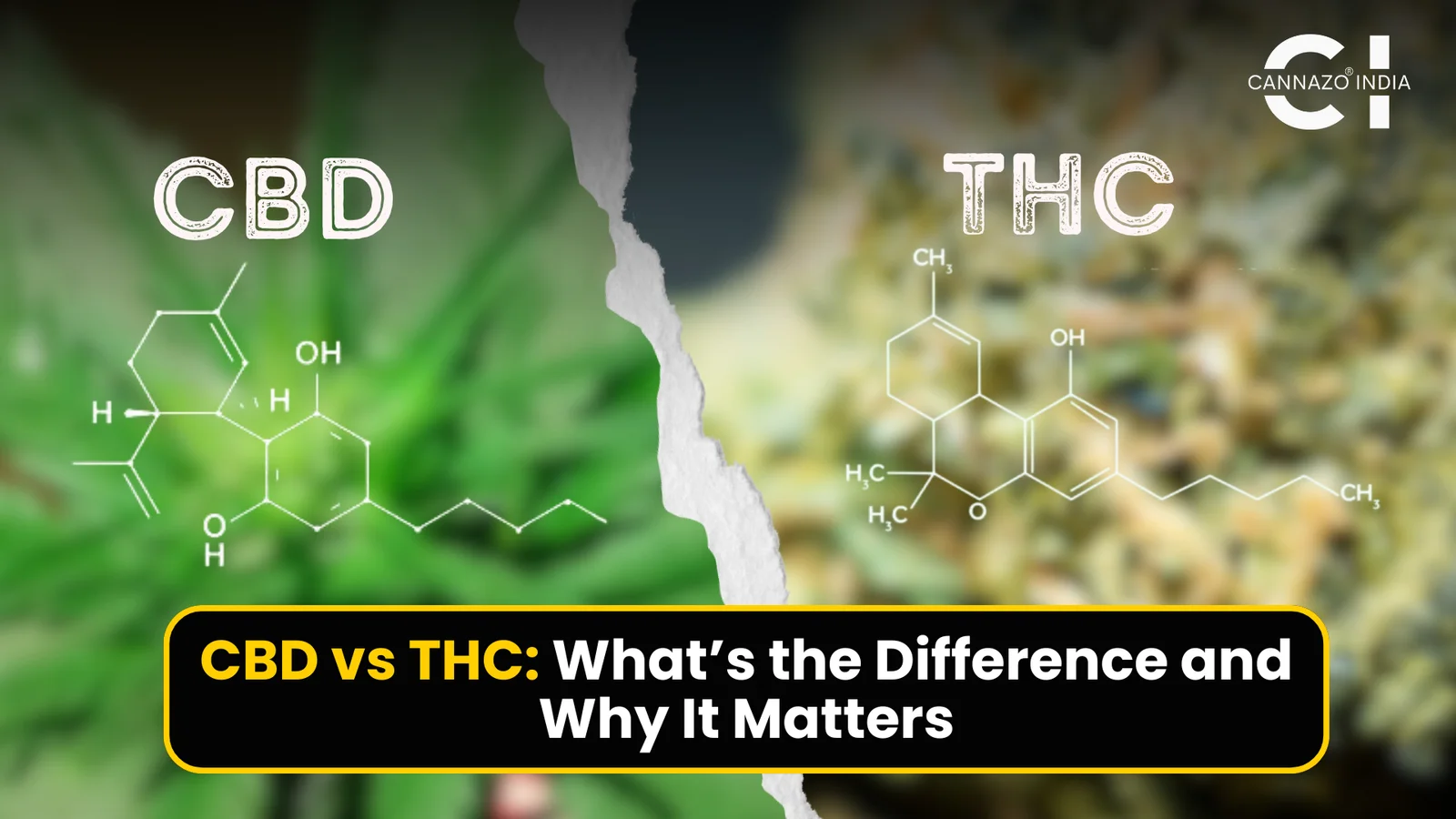
CBD (cannabidiol) is a compound derived from the hemp plant, a cousin of the marijuana plant. Unlike THC (tetrahydrocannabinol), CBD does not have psychoactive effects, meaning it won’t make users feel “high.” CBD oil is produced by extracting cannabidiol and infusing it into a carrier oil, such as MCT or hempseed oil.[2]
Types of CBD Oil
Full-spectrum: Contains all cannabinoids, including trace THC (usually less than 0.3%)
Broad-spectrum: Contains multiple cannabinoids, but no THC
CBD isolate: Pure CBD, no other cannabinoids or plant compounds.[2]
How CBD Oil May Help with Urticaria
The Science Behind CBD for Skin and Allergic Conditions
CBD interacts with the body’s endocannabinoid system (ECS), a network that helps regulate immune response, inflammation, and skin health. The skin contains numerous CB1 and CB2 receptors, which CBD may activate or modulate. By doing so, it may help calm inflammatory processes, reduce itching, and support skin barrier repair.[1],[3]
Potential Benefits
Anti-inflammatory action: CBD exhibits significant anti-inflammatory properties, thought to be particularly relevant for conditions like hives, where underlying skin inflammation drives symptoms.
Immunomodulation: Some evidence suggests that CBD may help balance the immune system’s responses, reducing flare-ups.
Soothing and healing: CBD can soothe irritated skin, potentially decrease itching, and assist in skin barrier recovery.[1],[3]
What Does Current Research Say?
Human evidence is limited but growing. Several small studies and early clinical trials are underway. One phase II study used oral CBD, progressively escalating the dose alongside standard antihistamines in chronic urticaria patients, suggesting possible steroid-sparing effects.[6] Topical CBD has shown promise in similar conditions like eczema or atopic dermatitis, but robust clinical trials specifically for urticaria are lacking.[3]
Why Consider CBD?
Many standard treatments can have side effects or aren’t always effective. CBD is sought by those wishing to use a more natural, plant-based option, particularly if standard drugs aren’t providing sufficient relief or cause intolerance.[1],[3]
Recommended CBD Dosage for Urticaria
The recommended CBD dosage for urticaria in India is not fixed, and finding the right dose depends on several factors such as your body weight, metabolism, delivery method, and individual response. The general consensus is to start with a low dose and increase gradually, monitoring your response.
Standard Starting Dosage
Begin with 20–40 mg of CBD per day.
If you notice no significant benefits, you may increase your daily dose by about 5 mg each week.
The maximum recommended daily dose is 70 mg CBD: avoid exceeding this to minimise the risk of side effects such as nausea, lightheadedness, or diarrhoea.
Delivery Method Considerations
Oils and tinctures: Use the dropper provided for accurate measurement; the mg-per-ml concentration will be specified on the packaging.
Capsules/edibles: Dosage per piece is clearly labelled; easier for consistent dosing (e.g., 10–20mg per capsule).
Topical CBD: For hives/urticaria, topical application to affected skin is possible but evidence is limited; always do a patch test.
General Guidelines
Start low, go slow: Maintain a low dose for at least a week; only increase if you experience no benefits and have no side effects.
Track effects: Note symptom relief and any side effects as you adjust the dose.
Consult a doctor: Especially if using other medications or having medical conditions, consult a healthcare professional before beginning CBD. [4]
CBD Dosage Table for Urticaria (Adults)
Method
Starting Dose
Maximum Dose (trial)
Notes
Oral Oil
20–40 mg/day
Up to 300 mg/day
Start low; increase slowly; monitor for effects
Topical Cream
Small amount, 1–2x/day
NA
Apply to hives; test for skin sensitivity
How to Use CBD Oil for Urticaria
Methods of Use
Oral CBD Oil
Place a measured dose under your tongue for 30–60 seconds before swallowing.
Effects are systemic and may help if hives are widespread or related to general inflammation.
Topical CBD Oil or Cream
Apply directly to the affected skin areas.
Targeted relief for localized itching and redness.
CBD-Infused Products
Creams, balms, massage oils, and even sun creams may contain CBD; these can be integrated into your daily skin regimen.[1]
Step-by-Step Application
Test first: Apply a small amount to a patch of skin—watch 24 hours for any irritation.
Clean area: Ensure skin is clean and dry.
Apply product: Massage CBD oil or cream gently into hives.
Observe: Note reduction in redness, itching, or swelling after consistent use.
Combining Methods
Some users choose both oral and topical forms for synergistic relief. Monitoring symptom changes with a diary can help identify optimal dosing and product combinations.[1]
Potential Side Effects and Precautions
Common Side Effects
Dry mouth
Drowsiness or fatigue
Changes in appetite
Diarrhea
Mild nausea
These effects are usually mild and transient, particularly at lower doses.[5]
Rare or Severe Side Effects
Liver strain (at high doses)
Medication interactions
Potential impact on mood. [5]
Important Precautions
Consult your doctor
Check drug interactions
Monitor liver health
Children and special populations
Choosing the Right CBD Product in India
Key Things to Consider
Legal source: Only hemp-derived CBD oil with less than 0.3% THC is permitted for medicinal use in India.[2]
Product type: Decide between full-spectrum, broad-spectrum, or isolate based on your needs and sensitivity to THC.[2]
Third-party testing: Purchase products with transparent lab reports verifying CBD and THC content, free from heavy metals and pesticides.[2]
Organic origin: Opt for products sourced from organically grown hemp for maximal purity and safety.[2]
Potency matters: Ensure clear labelling of total CBD content and dose per serving.
Where to Buy
CBD oils are accessible via reputable Indian online retailers such as Cannazo India. Ensure your product complies with all Indian legal and safety regulations by checking certification and approval status.[2]
Conclusion
CBD oil represents a promising, plant-based alternative or adjuvant for managing urticaria, especially for those suffering from chronic hives with insufficient relief from standard treatments. Its anti-inflammatory and immunomodulating actions are the main reasons it is gaining traction. Always begin with caution, prioritise safety, and consult with a healthcare provider familiar with cannabinoids.
FAQ
Can CBD oil help with urticaria? While high-quality evidence is limited, emerging research and anecdotal reports suggest that CBD oil may soothe inflammation, reduce itching, and promote skin healing, offering hope as an alternative or adjunct for urticaria symptom relief.[1]
How does CBD work for skin conditions like hives? CBD modulates the endocannabinoid system, which exists throughout the skin and immune cells. By activating specific receptors, CBD may help calm inflammatory processes, support skin barrier repair, and reduce the immune system’s overreaction that fuels hives.[1]
What is the best way to use CBD oil for urticaria?
Topical: For localised hives, use CBD creams, balms, or oils directly on the rash.
Oral: When hives are widespread or triggered by systemic inflammation, oral oils or tinctures may provide broader effects.
Many find a combination works best. Always test a small dose first and monitor for reactions.[1]
How much CBD should I take for urticaria?
General starting dose: 20–40 mg per day, increasing gradually if needed.
Clinical trials: Have used 25 mg twice daily, increasing to 50 mg twice daily, and sometimes up to 300 mg daily, under supervision, combined with standard treatments.
Ayesha Qazi, a Bachelor of Pharmacy graduate from NMIMS Mumbai, is known for her creativity. She has extensive experience in writing research papers, review articles, and reports. She has also worked with research and development teams, contributing to various projects. Currently, she is exploring opportunities in pharmaceutical marketing and management.