Introduction
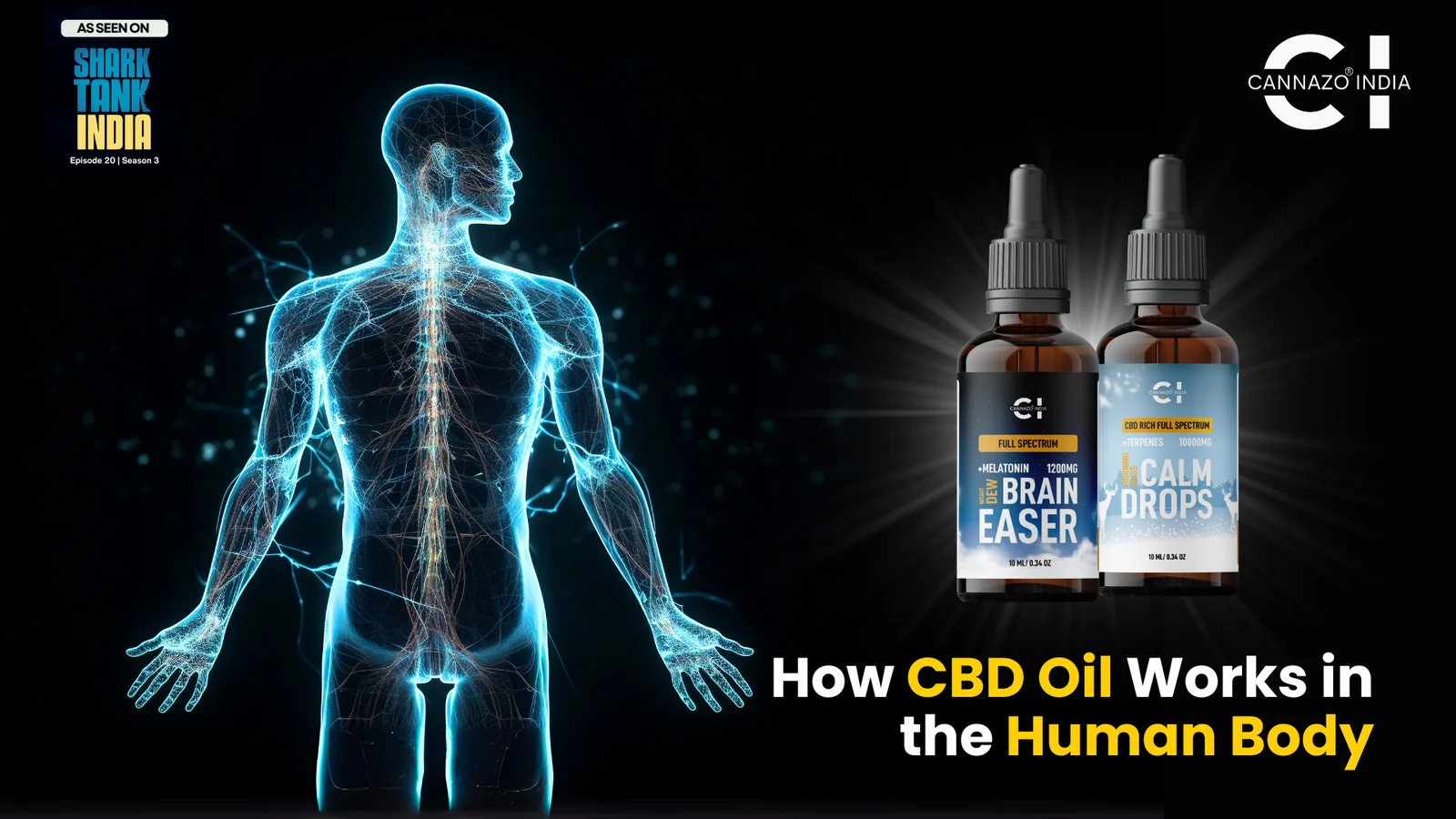
CBD oil, derived from the cannabis plant, has become a popular natural remedy for various health concerns, including pain, anxiety, and inflammation. Unlike THC, CBD is non-psychoactive, meaning it does not cause a “high”. Understanding how CBD works begins with the body’s regulatory system, the endocannabinoid system. [1]
The Endocannabinoid System (ECS): Your Body’s Regulatory Network
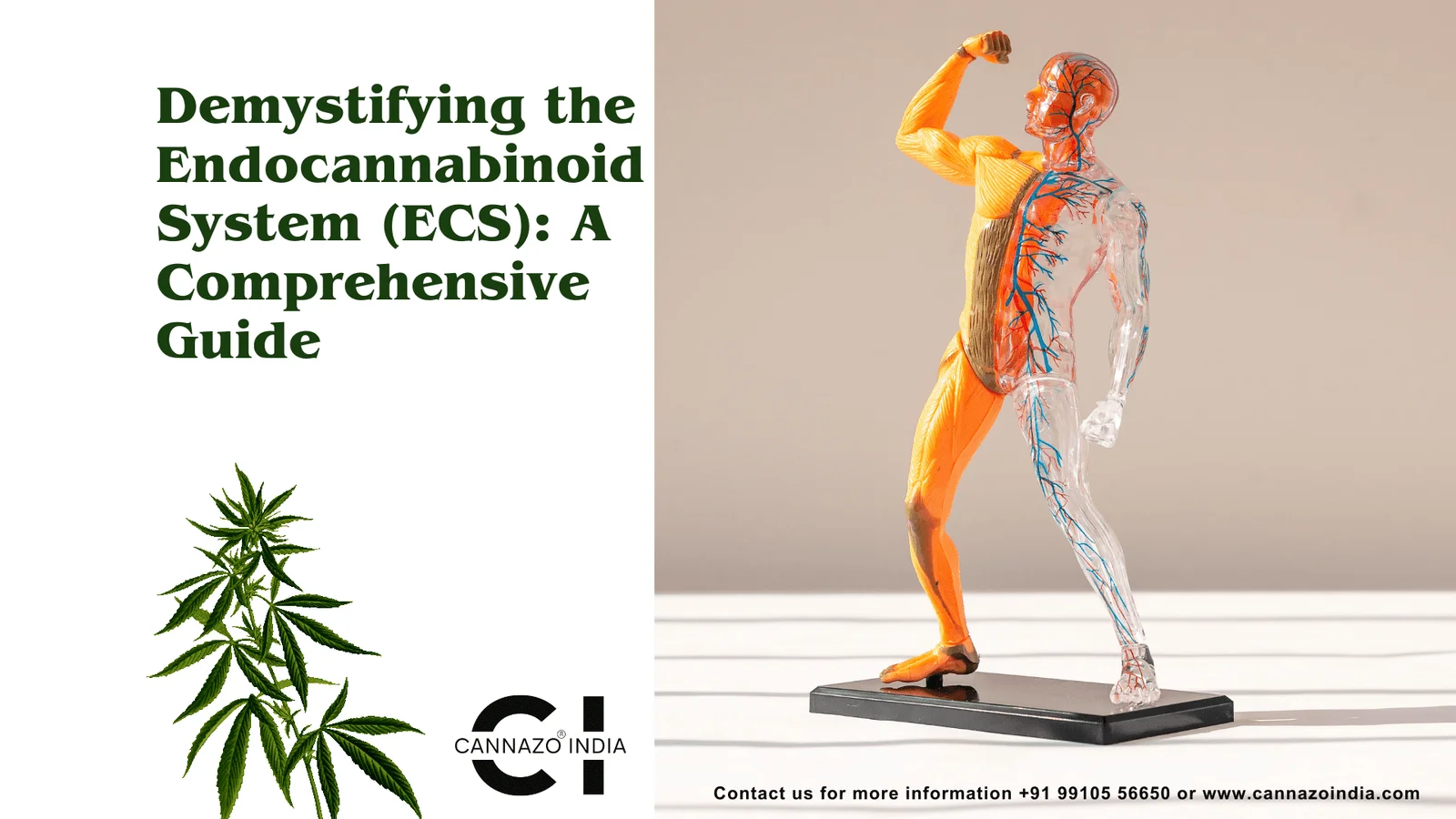
Endocannabinoid System (ECS):
- A vital cell-signalling system that helps maintain homeostasis (internal balance) in the body.
- Regulates key functions like mood, pain, inflammation, immune response, appetite, and memory.
- Composed of three main parts: endocannabinoids, receptors, and enzymes.
Endocannabinoids
Naturally produced by the body as needed to restore balance.
Two primary types:
- Anandamide (AEA): Regulates mood and emotional well-being.
- 2-Arachidonoylglycerol (2-AG): Involved in immune responses, inflammation, and brain signalling.
- Synthesised “on demand” in response to physical or emotional stress.
Cannabinoid Receptors
CB1 Receptors:
- Found mostly in the brain and central nervous system.
- Regulate mood, memory, pain, and motor control.
CB2 Receptors:
- Located primarily in the immune system and peripheral tissues.
- Play a role in immune function and inflammation control.
- Endocannabinoids bind to these receptors to trigger a specific physiological response based on the receptor type and location.
Enzymes
Break down endocannabinoids after they’ve completed their role.
Two main enzymes:
- FAAH (Fatty Acid Amide Hydrolase): Degrades anandamide.
- MAGL (Monoacylglycerol Lipase): Breaks down 2-AG.
- Prevent excessive or prolonged effects by ensuring rapid breakdown.
Functions Regulated by the ECS
Mood & Emotional Balance:
Anandamide activates CB1 receptors to help regulate emotions.
Pain Sensation:
ECS dampens pain signals via CB1 and CB2 receptors.
Appetite & Metabolism:
CB1 receptors in the brain help control hunger and energy balance.
Immune Response & Inflammation:
CB2 receptors manage immune defence and reduce inflammation.
Memory & Learning:
CB1 receptors support brain plasticity and cognitive functions.
ECS Mechanism: Maintaining Homeostasis
- The ECS acts as the body’s master regulator, responding to stress, injury, or imbalance.
- Produces endocannabinoids only when needed to restore balance.
- After resolving the issue, enzymes quickly break down these molecules.
- Ensures internal stability by fine-tuning various physiological systems.[2],[3]
How CBD Interacts with the ECS
CBD interacts with the ECS differently from THC. Instead of directly binding to CB1 or CB2 receptors, CBD influences the ECS in several indirect ways:[3]
- Inhibiting Enzymes: CBD inhibits the FAAH enzyme, which breaks down anandamide (the “bliss molecule”), increasing its levels and potentially promoting well-being and relaxation.[3]
- Modulating Receptors: CBD acts as a negative allosteric modulator at CB1 receptors, reducing the intensity of THC’s effects, and may enhance CB2 receptor activation, supporting immune function and reducing inflammation.[3]
- Influencing Other Receptors: CBD also interacts with non-cannabinoid receptors, such as serotonin (5-HT1A) receptors, which are linked to mood, anxiety, and sleep regulation.[3], [4]
CBD Oil Effects on the Human Body
CBD oil’s effects are wide-ranging and supported by emerging research:
- Pain Relief: CBD may reduce chronic pain by influencing endocannabinoid receptor activity and decreasing inflammation.[1],[4]
- Anxiety and Stress Reduction: By interacting with serotonin receptors, CBD can help regulate mood and promote relaxation, making it useful for anxiety and stress management.[1], [4]
- Neuroprotection: CBD has neuroprotective properties, potentially benefiting conditions involving nerve damage or degeneration.[4]
- Other Benefits: Some evidence suggests CBD may help with sleep, reduce symptoms related to some mental health and cancer-related conditions, and support overall well-being.[1],[4]
How Much CBD Does Your Body Need?
CBD dosage isn’t one-size-fits-all; it varies widely from person to person depending on factors like body weight, metabolism, the severity of symptoms, individual sensitivity to cannabinoids, and the specific condition being treated. Since there are no official, standardized dosing guidelines, most healthcare professionals and clinical resources recommend a gradual and personalised approach to finding the right dose.
General Guidelines and Dosage Ranges
For beginners or those with mild symptoms, a low daily dose of 10 to 25 mg is typically recommended. Some experts even suggest starting as low as 5 to 10 mg if you’re new to CBD. For moderate issues like anxiety, inflammation, or trouble sleeping, doses in the range of 25 to 50 mg per day are common. For more severe conditions such as chronic pain, insomnia, or high anxiety, people may require 50 to 100 mg or more per day, but these higher doses should be taken cautiously and ideally under the guidance of a healthcare provider.
Stepwise Titration: Start Low and Go Slow
A widely accepted strategy is to begin with a low dose, around 10 to 15 mg per day, and maintain it for several days to a week. During this period, observe how your body responds, including any symptom relief or side effects. If needed, increase the dose gradually in small increments (usually 5 to 10 mg at a time) every 5 to 7 days. It’s helpful to keep a journal to track your dosage, the time you take it, and how it affects you. This method ensures a controlled and informed approach to finding your optimal dose.
Body Weight and Symptom Severity
A common dosing recommendation is 1 to 6 mg of CBD per 10 pounds of body weight, adjusted based on how severe the symptoms are. For example, someone weighing 150 pounds might start with 15 to 30 mg daily for mild discomfort, and gradually increase to 75 to 90 mg for more intense symptoms if necessary.
Product Type and Measuring Your Dose
Different CBD products deliver doses in different ways. For oils or tinctures, check the concentration (mg per ml) and use the dropper to measure your dose accurately. Edibles and gummies usually contain 10 to 25 mg per piece, so it’s best to start with one and wait 1 to 2 hours to see how you feel before taking more. Capsules also clearly list their content per pill, starting with the lowest dose available is a safe approach.
Safety and Maximum Limits
Most studies suggest that up to 160 mg of CBD per day is well-tolerated by healthy adults. However, most people find their ideal dose well below this threshold. Special care should be taken for those who are pregnant or breastfeeding, as lower limits are recommended. As with any supplement, it’s best to consult a healthcare professional before starting, especially if you’re on medication or managing a chronic condition.[5].
Factors That Influence How CBD Works
Several factors affect how CBD works in your body:
- Method of Consumption: CBD can be consumed in several ways, each differing in how quickly and effectively the body absorbs it. Inhalation through vaping or smoking offers the fastest and highest absorption, with effects felt almost immediately, but it carries potential respiratory risks. Sublingual use, placing CBD oil under the tongue, provides moderate absorption and quicker effects than oral ingestion, which takes longer due to digestion and liver metabolism, resulting in lower bioavailability. Topical applications work locally on the skin for targeted relief but don’t produce systemic effects. Choosing the right method depends on individual needs and safety considerations.
- Inhalation (Vaping or Smoking): Highest bioavailability (31–56%), almost immediate effects, but may pose respiratory risks.
- Sublingual (Under the Tongue): Moderate bioavailability (10–35%), effects in 15–30 minutes, recommended to hold oil under the tongue for 60–90 seconds.
- Oral Ingestion (Edibles, Capsules): Lower bioavailability (6–13%), delayed effects (30 minutes to 2 hours), longer-lasting but less efficient absorption.
- Topical Application (Creams, Lotions): Localised absorption with minimal systemic effects, ideal for joint or muscle pain.
- Considerations: Each method’s speed and efficiency vary; safety and intended use should guide the choice.[6]
Body Weight and Metabolism
- Heavier individuals may require higher doses for the same effects.
- A faster metabolism can lead to quicker onset and shorter duration of effects.
- Symptom Severity: More severe symptoms may need higher doses for noticeable relief.[5]
- Product Quality: The concentration and purity of CBD oil can impact its effectiveness.
Look for the following:
Lab-tested products
- Proper labelling of CBD content
- Organic or CO₂-extracted CBD oils
Is CBD Safe? Side Effects and Considerations
CBD is generally considered safe for most people. Common side effects are mild and may include fatigue, diarrhoea, and changes in appetite or weight. CBD does not cause dependency and is seen as a safer alternative to some traditional medications, but it can interact with certain drugs, so consulting a healthcare provider is recommended.[1],[4]
Conclusion
CBD oil works by interacting with the body’s endocannabinoid system, helping to regulate a variety of physiological processes and promote balance. Its effects—ranging from pain relief to anxiety reduction—are mediated through complex interactions with ECS receptors and other signalling systems in the body. Dosage and effectiveness depend on individual factors, and while CBD is generally safe, users should be mindful of potential side effects and consult a healthcare professional as needed.
FAQs
- How long does it take for CBD oil to work?
Sublingual CBD oil typically takes effect within 15–30 minutes, while oral forms (edibles, capsules) may take longer due to digestion.[6]
- Is CBD legal in India?
In India, CBD products must be hemp-derived and contain less than 0.3% THC. Oral CBD products like oils usually require a doctor’s prescription, while topicals may not. Manufacturers must be licensed under the Drugs and Cosmetics Act and follow the Ministry of AYUSH and FSSAI guidelines. Labels must clearly state THC content, and consumers should verify product authenticity. Regulations vary by state, so checking local laws is important. Recreational cannabis use is illegal under the NDPS Act; only medicinal and wellness CBD products meeting these rules are allowed.
- How much CBD should I take?
Start with a low dose (25–50 mg daily) and gradually increase until you achieve the desired effect. Dosage depends on body weight, symptom severity, and individual response.[5]
References