











News

Why CBD Oil Is Becoming the Go-To Natural Sleep Aid in 2026
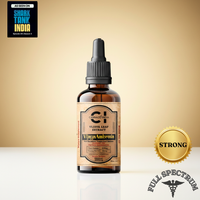
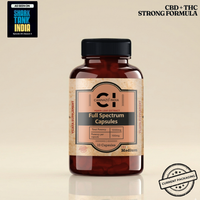
Sleep has become one of the biggest wellness concerns of the decade, and in 2026 more people are turning to CBD oil as a gentle, plant-based option for better rest. Interest is rising because CBD is seen as a way to calm the mind, ease discomfort, and support a more natural sleep routine without the heavy “knockout” feel some people dislike in traditional sleep products. The Sleep Crisis in 2026 Modern sleep problems are not just about going to bed late. Stress, screen exposure, irregular schedules, pain, and anxiety are all keeping people awake longer and lowering sleep quality. That is why sleep support has shifted from simple sedatives toward solutions that help the body relax without leaving people groggy the next day. CBD fits this shift because it is often used for calming symptoms that interfere with sleep rather than forcing sleep itself. Many consumers are also looking for alternatives to stronger sleep aids because they want something they can use more consistently. Natural sleep support has become a major wellness theme in 2026, and CBD oil is one of the products getting the most attention in that category. How CBD Supports Sleep CBD does not work like a typical sedative. Research and expert reviews suggest that it may help sleep indirectly by easing anxiety, reducing pain, and supporting relaxation, which can make it easier to fall asleep and stay asleep. Some sources also describe CBD as acting through serotonin-related pathways and other calming mechanisms rather than simply “turning off” the brain. That indirect effect matters because many sleep struggles start with a restless mind or physical discomfort. If CBD helps someone feel less tense at night, the sleep benefit can come naturally from that reduced stress response. In practical terms, people often describe it as feeling more settled before bed rather than sedated. Why 2026 Is the Tipping Point CBD oil’s popularity in 2026 is not happening by accident. Awareness has grown, product quality has improved, and more shoppers now understand the difference between full-spectrum, broad-spectrum, and THC-free formulas. At the same time, the wellness market has become more focused on sleep-specific products, making CBD oil easier to find and easier to buy with confidence. Another reason for the shift is that public discussion has become more evidence-aware. People are not necessarily treating CBD as a miracle cure, but they are increasingly comfortable using it as part of a broader sleep routine because early research shows promising, if still mixed, results. A 2024 randomized trial cited in recent coverage found that nightly CBD improved objective sleep efficiency after two weeks, even though some insomnia measures did not change significantly. Real-World Advantages and Comparisons One of CBD oil’s biggest advantages is that it can feel more balanced than many conventional sleep aids. Instead of producing a heavy sedating effect, it may help people unwind while still waking up feeling clearer the next morning. That makes it appealing to people who want sleep support without the next-day fog. Here is a simple comparison of common sleep options: Option Main effect Common trade-off CBD oil Supports relaxation and may ease anxiety or discomfort Results vary, and dose matters Melatonin Helps signal bedtime and supports sleep timing May not help if stress or pain is the main issue Strong sleep medications Can induce sleep more directly Higher chance of grogginess or dependence concerns For many users, CBD fills a middle ground between “too mild to notice” and “too strong to tolerate.” That is a big reason it is becoming the go-to natural sleep aid for people who want something practical and flexible. How to Choose and Use CBD Oil Choosing CBD oil for sleep in 2026 starts with checking the product type and testing quality. Full-spectrum oils contain more plant compounds, broad-spectrum products remove THC, and isolate products contain only CBD. A good product should provide clear dosage information, third-party lab testing, and a transparent ingredient list.Start low and adjust slowly. Many people begin with a small evening dose and track how they feel over several nights before increasing it. Since CBD can be biphasic, meaning low and high doses may affect people differently, the most effective amount is not always the largest amount. It also helps to pair CBD with basic sleep hygiene. That means using it alongside consistent bedtimes, less late-night screen time, and a bedroom environment that supports sleep. CBD tends to work best as part of a routine, not as a replacement for healthy habits. Key Benefits of CBD Oil CBD oil is popular because it offers several sleep-related benefits at once. It may reduce racing thoughts, ease physical tension, and support relaxation, which can make bedtime feel less like a battle. For people whose sleep problems are tied to stress or discomfort, that combination can be especially useful. It is also valued for being non-intoxicating in most common formulations, especially broad-spectrum and CBD isolate products. That makes it attractive to people who want a nighttime aid they can fit into a wellness routine without feeling impaired. In 2026, this balance of gentleness, convenience, and versatility is a major reason CBD oil continues to stand out. Conclusion CBD oil is becoming the go-to natural sleep aid in 2026 because it matches what many people want right now: a calmer night, a clearer morning, and a more natural way to support rest. While the research is still evolving and results are not the same for everyone, the combination of early evidence, better product options, and growing consumer trust has pushed CBD into the mainstream sleep conversation.For people whose sleep is disrupted by stress, pain, or nighttime restlessness, CBD oil offers a promising middle path between doing nothing and relying on stronger sleep aids. Its rise in 2026 reflects a broader change in wellness: people want solutions that support the body’s own rhythm rather than overpowering it. References Higueras, T. G., Cortés, F. C., López, E. D. S., Arjona, L. M., Alonso, S. S. D. L. C., & Forés, S. V. (2022). Cannabidiol (CBD) and Insomnia : Literature review. European Psychiatry, 65(S1), S809–S809. https://doi.org/10.1192/j.eurpsy.2022.2092 Ranum, R. M., Whipple, M. O., Croghan, I., Bauer, B., Toussaint, L. L., & Vincent, A. (2022). Use of Cannabidiol in the Management of Insomnia: A Systematic Review. Cannabis and Cannabinoid Research, 8(2). https://doi.org/10.1089/can.2022.0122 Narayan, A. J., Downey, L. A., Rose, S., Lauren Di Natale, & Hayley, A. C. (2024). Cannabidiol for moderate-severe insomnia: a randomized controlled pilot trial of 150 mg of nightly dosing. Journal of Clinical Sleep Medicine. https://doi.org/10.5664/jcsm.10998 Pacheco, D. (2021, May 4). Is Cannabidiol a Safe and Effective Sleep Aid? Sleep Foundation. https://www.sleepfoundation.org/sleep-aids/cbd-for-sleep Shannon, S., Lewis, N., Lee, H., & Hughes, S. (2019). Cannabidiol in Anxiety and Sleep: A Large Case Series. The Permanente Journal, 23(1). https://doi.org/10.7812/tpp/18-041 Petre, A. (2017, August 20). 9 Natural Sleep Aids That Are Backed by Science. Healthline; Healthline Media. https://www.healthline.com/nutrition/sleep-aids CBD Oil for Sleep in Focus: Growth Trajectories and Strategic Insights 2026-2034. (2026, February 4). Datainsightsmarket.com. https://www.datainsightsmarket.com/reports/cbd-oil-for-sleep-1188189 Reporting Analytics. (2026, March 6). CBD for Sleep: The 2026 Comprehensive Guide to Products and Dosage for Sleep Support. Genesis. https://www.cbdgenesis.com/blogs/news/cbd-for-sleep-the-2026-comprehensive-guide-to-products-and-dosage-for-sleep-support
Read more


