












Table of Contents
Medical cannabis is steadily moving from a taboo subject to a regulated part of India’s integrative-health conversation. Under India’s legal framework, cannabis-derived Ayurvedic products, often called Vijaya formulations, can be manufactured, prescribed, and sold when they comply with the Narcotic Drugs and Psychotropic Substances (NDPS) Act, the Drugs and Cosmetics Act, and applicable state rules.
This is not the same as legalising recreational cannabis. India’s approach is cautious: it permits controlled medical, scientific, industrial, and horticultural uses while continuing to prohibit unauthorised production, sale, and consumption of ganja and charas.
What counts as medical cannabis
Medical cannabis refers to preparations derived from the cannabis plant that are used under professional guidance for a therapeutic purpose. In India, the most common legally marketed category is Vijaya, cannabis leaf-based Ayurvedic formulations containing cannabinoids such as CBD Oil and, in some products, controlled amounts of THC.
CBD (cannabidiol): A non-intoxicating cannabinoid commonly used in wellness and medical formulations.
THC (tetrahydrocannabinol): The intoxicating cannabinoid associated with the “high”; its presence and concentration make a product more tightly regulated.
In India, legal medical products are generally made from cannabis leaves and extracts, rather than flowering tops or separated resin. The NDPS Act specifically excludes leaves and seeds from the definition of prohibited cannabis, creating the legal basis for leaf-derived Ayurvedic products.
Medical cannabis can take several forms:
- Oils and tinctures
- Capsules and tablets
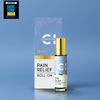
- Topical creams, balms, and roll-ons
- Ayurvedic Vijaya vatis or gummies
- Standardised extracts used in clinical research
The key distinction is quality and intent.
India’s legal framework
| Regulatory layer | What it governs |
| NDPS Act, 1985 | Controls cultivation, production, possession, transport, sale, and use of cannabis; permits state governments to regulate specified cannabis-related activities for medical, scientific, industrial, and horticultural purposes. |
| Drugs and Cosmetics Act, 1940 | Governs manufacturing licences, product approval, quality standards, and sale of Ayurvedic medicines. |
| Ministry of AYUSH | Oversees Ayurvedic standards and policy for Vijaya-based products; since 2024, it has also sought tighter central clearance before states grant new manufacturing licences for cannabis-containing Ayurvedic drugs. |
| State excise and licensing authorities | Regulate cultivation permissions, raw-material supply, manufacturing, storage, distribution, and sale within their jurisdictions. |
| FSSAI | May apply where a product is positioned or regulated as a food or food supplement rather than solely as a medicine. |
The role of AYUSH
AYUSH, the Ministry of Ayurveda, Yoga and Naturopathy, Unani, Siddha and Homoeopathy, plays a central role in India’s medical-cannabis framework. It treats cannabis as Vijaya, a recognised ingredient within the Ayurvedic system, and provides the regulatory direction for leaf-based cannabis formulations.
However, AYUSH does not single-handedly approve every product. A company typically needs:
- A manufacturing licence under the Drugs and Cosmetics Act.
- Product-specific clearance from the relevant state licensing authority.
- Compliance with AYUSH standards and narcotics-related approvals.
- Appropriate sourcing and documentation for cannabis leaf material.
This means that “AYUSH-approved” should not be treated as a casual marketing phrase. Consumers should look for a named licence, batch-specific certificate of analysis, transparent ingredient list, and guidance from a qualified clinician. The National Commission for Indian System of Medicine has also reminded stakeholders that cannabis cultivation, possession, sale, and use remain legally regulated in India.
Conditions addressed in India today
- Chronic pain and musculoskeletal discomfort
- Sleep disturbances and insomnia
- Stress, anxiety, and mood-related wellness support
- Inflammation-associated discomfort
- Neurological and palliative-care symptom management
- Supportive care alongside conventional treatment, where clinically appropriate
Access: prescriptions and licensed brands
Legal access in India is best understood as a prescription-led, licence-based pathway. Cannabis-based medicines are intended to be prescribed by medical professionals, and manufacturers must obtain the required central and state-level clearances before selling products.
A responsible access pathway usually includes:
- A consultation with a qualified doctor or Ayurvedic practitioner.
- Assessment of the patient’s condition, medicines, allergies, pregnancy status, and history of substance use.
- Selection of a licensed, lab-tested product with a clear cannabinoid profile.
- A low starting dose and gradual adjustment under professional supervision.
- Monitoring for benefits, side effects, and interactions with other medicines.
Consumers should be cautious with products sold online without verifiable licensing, batch testing, or clinical guidance. The legal market is growing quickly, but experts have raised concerns that promotional claims may outpace the available regulatory and scientific safeguards.
Research and clinical progress
The trial studied 24 cancer patients experiencing pain, anxiety, or depression and reduced quality of life. Participants received water-wash processed cannabis leaf powder, called Shodhita Bhanga, in capsules at 250 mg three times daily for four weeks, taken with cow’s milk and crystal sugar.pmc.ncbi.nlm.nih+1
The researchers reported statistically significant improvements in:
- Pain, measured with the Wong-Baker FACES Pain Scale, Objective Pain Assessment, and Neuropathic Pain Scale.
- Anxiety and depression, measured with the Hospital Anxiety and Depression Scale.
- Quality of life, measured with the FACT-G scale.
- Functional status, measured through ECOG and Karnofsky performance scores.
The authors concluded that the preparation significantly relieved cancer-related pain, anxiety, and depression, with no major adverse effects or withdrawal symptoms reported during the four-week trial period.
Stigma versus science
For many Indians, cannabis is still associated with recreational use, addiction, or social stigma. That association can prevent patients from discussing potentially relevant options with their doctors and can discourage investment in serious clinical research.
The constructive response is not to romanticise cannabis or portray it as a miracle cure. It is to separate medical use from misuse through clear rules, quality control, professional oversight, and honest public communication.
A science-first approach would include:
- Clear labelling of CBD and THC content.
- Third-party testing for contaminants and cannabinoid consistency.
- Transparent sourcing and batch traceability.
- Evidence-based claims rather than exaggerated promises.
- Doctor-led dosing and follow-up.
- Public education on risks, interactions, and responsible use.
Stigma should not decide medical policy; evidence, safety, and patient needs should
The road ahead
India has an unusual advantage: a deep Ayurvedic tradition, a large patient population, growing domestic manufacturing capability, and increasing policy attention. The next phase will depend on whether regulators, clinicians, researchers, and companies can build a system that is both accessible and accountable.
Promising priorities include:
- A clear national framework for cannabis-based medicines.
- Standardised quality and labelling requirements.
- Simplified but secure licensing pathways.
- Funding for Indian clinical trials.
- Training for doctors, pharmacists, and Ayurvedic practitioners.
- Strong safeguards against recreational misuse and misleading marketing.
- Affordable access for patients who may benefit from supervised treatment.
The Delhi High Court has also prompted renewed policy discussion around medical, scientific, and industrial uses of cannabis, signalling that India’s regulatory approach may continue to evolve.
Cannazo’s clinical approach
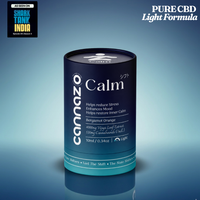
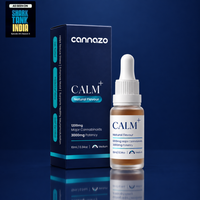
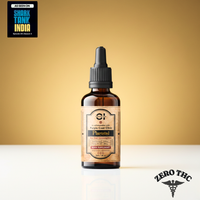
Cannazo India represents the kind of brand-led clinical approach that could help normalise responsible medical cannabis in India. Its stated model combines Ayurvedic formulation with licensed manufacturing, third-party laboratory testing, certificates of analysis, and doctor consultations to guide dosing.
Rather than presenting cannabis as a universal remedy, a clinically responsible approach focuses on:
- Patient-specific assessment.
- Appropriate product selection.
- Conservative starting doses.
- Clear documentation and traceability.
- Monitoring outcomes and adverse effects.
- Integration with, not replacement of, conventional care where needed.
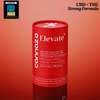
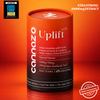
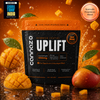
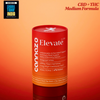
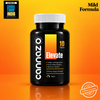
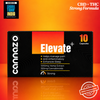
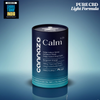
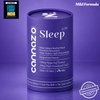
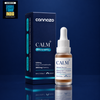
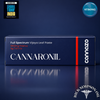
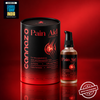
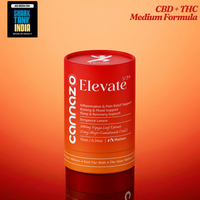
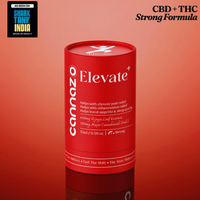
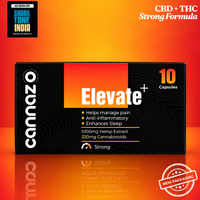
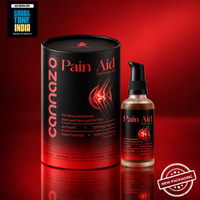
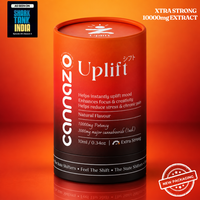
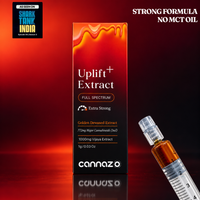
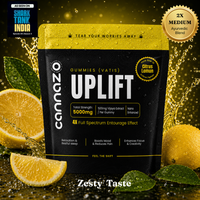
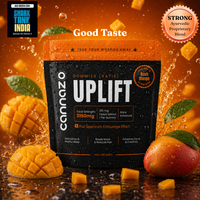
Cannazo’s public materials describe products intended for areas such as pain, sleep, stress, mood balance, and supportive wellness. Patients should treat these as complementary options to discuss with a qualified professional, particularly if they take prescription medicines, are pregnant or breastfeeding, or have a history of liver disease, heart disease, or substance-use disorder.
Conclusion
Medical cannabis in India is legal only within a carefully defined regulatory pathway, not as an unrestricted consumer product. The country’s framework allows licensed, leaf-based Vijaya and CBD-oriented formulations under AYUSH, narcotics, drug-manufacturing, and state-level rules, while recreational cannabis remains prohibited.
The future is promising, but it must be built on evidence. India needs more clinical trials, clearer standards, better clinician education, and stronger consumer protections. If those pieces come together, medical cannabis can become a credible, safe, and accessible part of India’s integrative healthcare system.
FAQ
-
Is medical cannabis legal in India?
Yes, but only in a regulated form. Cannabis-based Ayurvedic or Vijaya products can be legal when manufactured, prescribed, and sold under the applicable NDPS, Drugs and Cosmetics Act, AYUSH, and state licensing requirements. -
What conditions is medical cannabis used for in India?
In India, it is most commonly used for chronic pain, sleep difficulties, stress and anxiety-related wellness support, and symptom management in selected clinical settings. Research interest also includes epilepsy, neurodegenerative disorders, and cancer-related supportive care, though more Indian clinical evidence is needed. -
How do I get medical cannabis legally?
Speak with a qualified doctor or Ayurvedic practitioner, obtain a prescription where required, and buy only from a licensed brand that provides clear lab reports and product documentation. Avoid unverified sellers or products making cure claims. -
What is the difference between medical and recreational cannabis?
Medical cannabis is used for a therapeutic purpose under professional guidance and is subject to licensing, formulation, testing, and prescription controls. Recreational cannabis is used for non-medical intoxication and remains restricted under India’s NDPS framework. -
Is medical cannabis regulated by AYUSH?
AYUSH regulates the Ayurvedic framework for Vijaya-based products, but it is not the only authority involved. Manufacturers must also comply with the Drugs and Cosmetics Act, NDPS-related requirements, and state-level licensing and excise rules.
References
- Delhi Police. (n.d.). Narcotic Drugs and Psychotropic Substances Act, 1985. https://delhipolice.gov.in/doc/acts/ndps.docx
- Delhi High Court. (2026, January 23). Judgment in CW 7608/2019. https://delhihighcourt.nic.in/app/showFileJudgment/75523012026CW76082019_121930.txt
- National Commission for Indian System of Medicine. (2024, September 11). Public notice. https://nch.org.in/upload/Public-Notice-11-09-2024.pdf
- The Reporters’ Collective. (2026, July 22). COD: Cannabis on delivery. https://www.reporters-collective.in/trc/cod-cannabis-on-delivery
- The Economic Times. (2026, November 18). Inside the cannabis wellness rush in India: Booming sales worry experts. https://economictimes.indiatimes.com/tech/startups/inside-the-cannabis-wellness-rush-in-india-booming-sales-worry-experts/articleshow/123683697.cms
- The Economic Times. (2026, November 21). How a complicated regulatory landscape is hurting startups selling food, clothes and wellness products made from hemp. https://www.economictimes.indiatimes.com/news/india/how-a-complicated-regulatory-landscapehurting-startups-selling-food-clothes-wellness-products-made-from-hemp/printarticle/102684832.cms
- Mathrubhumi. (2026, October 6). Could ganja rules be eased for medicinal use? Supreme Court’s stand triggers fresh debate. https://english.mathrubhumi.com/features/specials/could-ganja-rules-be-eased-for-medicinal-use-supreme-courts-stand-triggers-fresh-debate-abfpb8wd
- Cannazo India. (2026, April 13). Where to buy CBD oil in India: Trusted brands. https://cannazoindia.com/blogs/general-cbd/where-to-buy-cbd-oil-in-india-trusted-brands
- Cannazo India. (n.d.). About Cannazo India. https://cannazoindia.com/pages/about
- Cannazo India. (2026, April 13). CBD oil in India: What doctors are saying. https://cannazoindia.com/blogs/news/indian-doctors-about-cbd-oil
- Tavhare, S. D., Acharya, R., Reddy, R. G., & Dhiman, K. S. (2019). Management of chronic pain with Jalaprakshalana (water-wash) Shodhita Bhanga (Cannabis sativa L.) in cancer patients with deprived quality of life: An open-label single-arm clinical trial. AYU, 40(1), 34–43. https://doi.org/10.4103/ayu.AYU_43_19


Comments
The opinions expressed here are the views of the writer and do not necessarily reflect the views and opinions of Cannazo India.