










Table of Contents
Hair oils can feel confusing at first, especially with so many products and application methods available. Hemp oil is a practical option because it is lightweight, easy to use, and suitable for many hair types.
This guide explains the potential benefits of hemp oil for hair, what you need before starting, and three simple ways to use it. It also covers useful tips, common mistakes, and how to build a routine that suits your hair.
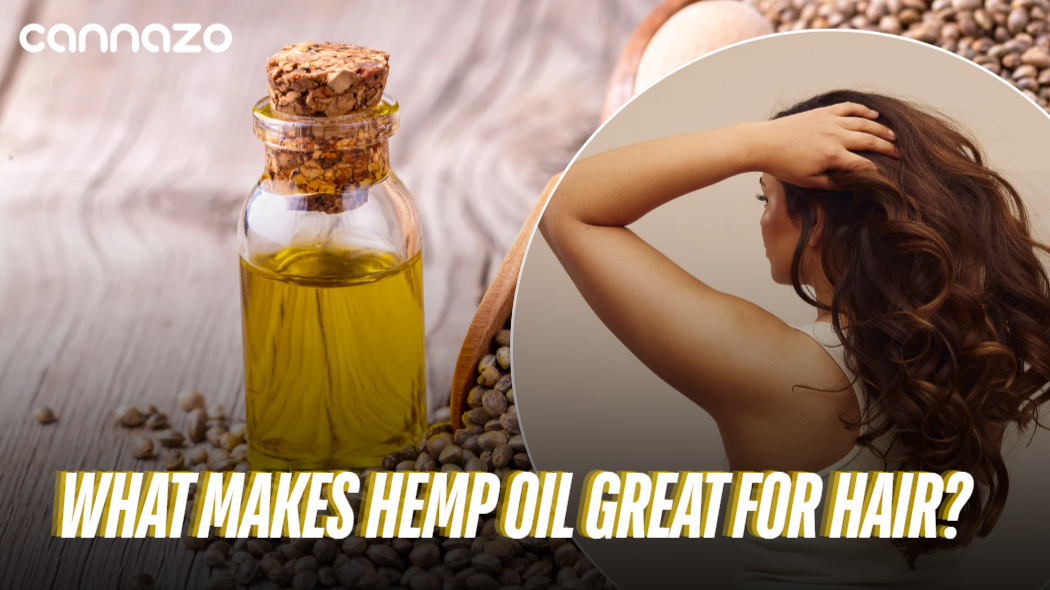
What Makes Hemp Oil Great for Hair?
Hemp oil is usually produced from hemp seeds and has a light texture compared with many heavier oils. It can spread easily through the hair and may help improve smoothness and shine without immediately leaving the hair greasy.
One of its main uses is moisture support. Dry hair often feels rough, looks dull, tangles easily, and may be more difficult to manage. Applying a small amount of hemp oil can help soften the hair and make the ends appear smoother.
Hemp oil may also be useful for people who experience a dry or tight-feeling scalp after washing. Its fatty acid content, including omega-3 and omega-6 fats, may help support the scalp’s natural moisture barrier. A well-moisturized scalp can create better conditions for healthier-looking hair.
Another advantage is flexibility. Hemp oil can be used as a light finishing serum, a pre-wash treatment, or an overnight oil treatment. Beginners can start with a few drops and adjust the amount based on their hair type and results.
Things You Need Before Starting
You do not need a complicated routine to begin using hemp oil. Keeping the process simple can help prevent buildup and make it easier to understand how your hair responds.
You may need:
• Hemp oil
• A dropper or pump bottle
• A wide-tooth comb or detangling brush
• A towel or old T-shirt
• Shampoo and conditioner
• A small bowl for mixing the oil with conditioner or aloe
Before applying hemp oil to your scalp, complete a patch test. Place a small amount on the inside of your wrist or behind your ear and wait approximately 24 hours. Stop using it if you notice irritation, redness, or discomfort.
Your hair type should also guide how much oil you use. Fine or straight hair may only need one or two drops, while thick, curly, or very dry hair may require a little more. Begin with the smallest amount and add more only when necessary.
Step-by-Step Guide: 3 Easy Ways to Use Hemp Oil
There is no single method that works for everyone. The best approach depends on whether you want more shine, softer ends, scalp moisture, or deeper conditioning.
As a Leave-In Serum/Finisher
This is the easiest method for beginners. It works well for dry ends, flyaways, light frizz, and hair that needs extra shine after washing or styling.
Steps:
-
Wash and condition your hair as usual.
-
Towel-dry your hair until it is damp or mostly dry.
-
Place two to four drops of hemp oil in your palm.
-
Rub your hands together to spread the oil evenly.
-
Apply it to the mid-lengths and ends first.
-
Lightly smooth any remaining oil over frizz or flyaways.
-
Avoid applying large amounts directly to the roots.
-
Comb through gently to distribute the oil.
For shoulder-length hair, two drops may be enough. Add another drop only if the ends still feel dry. Applying too much at once can make the hair look flat or oily.
This method can be used after washing or before styling. It is especially helpful in dry weather when the ends may feel rough or look puffy.
Pre-Wash/Deep Conditioning Treatment
A pre-wash treatment is suitable for hair that feels dry, tangled, or rough before shampooing. It allows the oil to soften the hair before cleansing without leaving it on throughout the day.
Steps:
-
Begin with dry hair.
-
Warm a small amount of hemp oil between your hands.
-
Apply it mainly to the mid-lengths and ends.
-
Massage a small amount into the scalp if it feels dry.
-
Use a wide-tooth comb to spread the oil.
-
Leave it on for 20 to 45 minutes.
-
Shampoo and condition thoroughly.
For very dry hair, cover it with a shower cap while the treatment is sitting. This can keep the oil contained and help it spread more evenly.
A pre-wash treatment may reduce the dry or stripped feeling that sometimes follows shampooing. It can also make the hair easier to detangle after rinsing.
Overnight Scalp & Hair Treatment
An overnight treatment is a richer option and may be more suitable for thick, curly, coarse, or very dry hair. It can also be used when the scalp feels dry, but only a small amount is needed.
Steps:
-
Begin with dry hair.
-
Apply a few drops of hemp oil to your fingertips.
-
Massage it gently into the scalp.
-
Spread the remaining oil through the lengths and ends.
-
Loosely braid, twist, or tie your hair.
-
Protect your pillow with a towel, silk wrap, or shower cap.
-
Wash your hair in the morning if it feels oily.
Avoid saturating the hair. Too much oil may require repeated shampooing and can leave fine hair limp. An overnight treatment may be more effective when used occasionally rather than after every wash.
Tips for Best Results & Common Mistakes
Using hemp oil effectively is less about using a lot and more about using it consistently and correctly. Small adjustments can make a big difference in how your hair looks and feels.
Tips for Best Results
-
Start with a small amount. Two to four drops is often enough for a beginner.
-
Focus on the ends if your hair is dry, since they usually need the most moisture.
-
Use hemp oil on damp hair for smoother spreading and less greasy buildup.
-
Combine it with a healthy wash routine, because oil works best on clean hair and scalp.
-
Pay attention to how your hair responds after each use, then adjust the amount and frequency.
-
Use a satin or silk pillowcase if you do overnight treatments to reduce friction.
Consistency matters more than intensity. A light application once or twice a week may work better than a heavy application that leaves your hair flat.
Common Mistakes
-
Using too much oil is the most common mistake. Excess oil can make the hair appear greasy, reduce volume, and cause buildup.
-
Avoid applying a heavy amount to the roots unless your scalp is dry. People with naturally oily scalps may find that root application makes the hair look greasy more quickly.
-
Do not skip shampoo after a deep or overnight treatment. Leaving treatment oil behind may make the hair feel coated or difficult to style.
-
Do not expect major changes after one application. Hemp oil may improve softness and shine, but results usually depend on consistent use and the overall condition of the hair.
-
Avoid mixing several oils and ingredients when starting. Using hemp oil by itself makes it easier to determine whether it works for your hair.
-
Read product labels carefully. Some products use hemp-related wording but contain only a small amount of hemp seed oil. Check the ingredient list to understand what you are buying.
-
If your hair feels flat after application, reduce the amount. If it still feels dry, consider changing the method rather than immediately adding more oil.
Conclusion
Hemp oil is a simple, beginner-friendly addition to a hair-care routine. It can add softness, improve shine, and help support a healthier-looking scalp when used in the right amount and with the right method.
The easiest way to begin is with a few drops as a leave-in serum. From there, you can experiment with pre-wash treatments or overnight scalp care depending on your hair’s needs. The key is to start small, stay consistent, and pay attention to how your hair responds.
References
-
Healthline. (2019, January 11). Hemp seed oil for hair. https://www.healthline.com/health/hemp-seed-oil-for-hairhealthline
-
Herbal Essences. (n.d.). The benefits of hemp seed oil for hair. https://herbalessences.com/en-us/articles/benefits-hemp-seed-oil-for-hair/herbalessences
-
Faith in Nature. (2022, October 19). Let’s hear it for hemp. https://www.faithinnature.co.uk/blogs/notes-on-nature/lets-hear-it-for-hempfaithinnature.co
-
HempKing. (2024, April 16). Hemp oil for hair - how does it work? How to use it? https://hempking.eu/en/hemp-oil-for-hair-how-does-it-work-how-to-apply-what-are-the-effects/


Comments
The opinions expressed here are the views of the writer and do not necessarily reflect the views and opinions of Cannazo India.