










Table of Contents
Leukemia is a serious cancer that affects the blood and bone marrow. Treatment can cause difficult side effects such as pain, nausea, loss of appetite, anxiety, fatigue, and sleep problems. Some patients consider CBD oil to help manage these symptoms, but it is important to understand its limits. CBD may help with certain treatment-related symptoms, but it does not cure leukemia and should only be used after speaking with an oncology team.
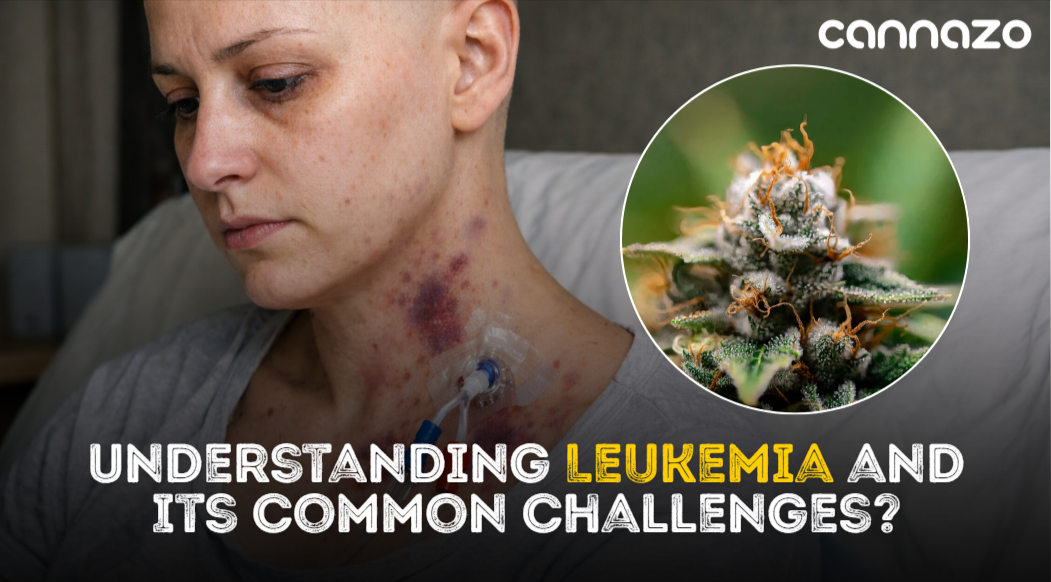
Understanding Leukemia and Its Common Challenges
Leukemia affects the tissues responsible for producing blood cells, especially the bone marrow. It causes abnormal white blood cells to grow and interfere with the production of healthy blood cells.
This can lead to symptoms such as tiredness, weakness, frequent infections, anemia, easy bruising, and bleeding. Patients may also experience pain, nausea, vomiting, poor appetite, sleep problems, and emotional stress during treatment.
Treatment depends on the type and stage of leukemia. It may include chemotherapy, targeted therapy, immunotherapy, radiation therapy, or stem cell transplantation. These treatments can be effective, but they may also cause side effects that affect daily life.
Supportive care is therefore an important part of leukemia treatment. Its purpose is to reduce discomfort, manage side effects, and help patients maintain their strength and quality of life.
What Is CBD Oil?
CBD Oil, or cannabidiol, is a compound found in cannabis plants. Unlike THC, CBD does not usually cause a high.
CBD is available in oils, capsules, tinctures, creams, and other products. It is commonly promoted for pain, anxiety, inflammation, sleep problems, and nausea. However, the quality, strength, and ingredients of CBD products can vary between brands.
In cancer care, CBD is generally considered a possible supportive option rather than a treatment for cancer. Cannabis and cannabinoid products are sometimes used by adults with cancer to help manage symptoms and treatment side effects.
Potential Benefits of CBD Oil for Leukemia Symptoms
CBD may help some patients with symptoms linked to leukemia or its treatment. The most common reasons people consider it are pain, anxiety, nausea, poor sleep, and appetite changes.
Research on CBD alone is still limited. Much of the existing evidence relates to cannabis or products containing both CBD and THC rather than CBD by itself.
Possible uses may include:
- Reducing pain when standard treatments are not enough
- Helping with anxiety or emotional stress
- Supporting sleep when pain or worry causes restlessness
- Helping with nausea, although evidence is stronger for products containing both THC and CBD
- Improving overall comfort during treatment
CBD may not work the same way for every person. Some patients may notice improvement, while others may experience little or no benefit.
What the Research Says: Key Studies
Some laboratory studies have examined the effect of CBD oil for leukemia cells. These studies suggest CBD may slow the growth of certain leukemia cell lines and trigger apoptosis, which is the natural process of damaged or abnormal cells dying.
One study found that CBD affected mitochondria and calcium levels in acute lymphoblastic leukemia cells, leading to cell death in a laboratory setting. Another study reported that CBD reduced CD47 expression and increased apoptosis in Jurkat leukemia cells.
Research involving chronic myeloid leukemia cells has also shown that CBD may affect gene activity and encourage cell death. These findings may help researchers understand how CBD interacts with cancer cells, but they do not prove that CBD can treat leukemia in people.
Results from human studies are much less convincing. A phase II trial involving patients with slow-growing leukemic B-cell lymphomas found that one dose of THC and CBD caused only a temporary drop in leukemia cells. The study did not show enough benefit to support its use as a treatment.
Laboratory studies and human treatment results are not the same. A substance may affect cancer cells in a test tube without producing the same effect in the human body.
Risks, Side Effects, and Interactions
CBD is not risk-free. Possible side effects include:
- Drowsiness
- Diarrhea
- Dry mouth
- Dizziness
- Fatigue
- Changes in appetite
For leukemia patients, drug interactions are one of the biggest concerns. CBD can affect liver enzymes that help the body process medications. This may increase or reduce the effect of certain drugs.
CBD may interact with chemotherapy medicines, anti-nausea drugs, painkillers, sedatives, blood thinners, and other treatments. These interactions may increase side effects or change how well a medication works.
CBD may also increase drowsiness when taken with sleeping tablets, anxiety medication, strong pain medicine, or other products that cause sedation.
There are additional concerns with product quality. Some products may contain more or less CBD than the label states. Others may contain THC, pesticides, solvents, or contaminants.
Terms such as “natural” or “hemp-derived” do not guarantee that a product is safe or suitable for use during cancer treatment.
How to Use CBD Safely If Considering It
If a leukemia patient is thinking about CBD, the safest approach is to treat it like any other medication and discuss it with the care team first. The oncologist or oncology pharmacist can check for interactions, review liver-related risks, and help decide whether CBD is appropriate during active treatment.
A cautious approach usually includes:
- Ask your oncologist before starting any CBD product.
- Bring the exact product label, including dose and ingredients.
- Start low only if your clinician agrees, and change one thing at a time.
- Watch for sleepiness, diarrhea, dizziness, or worsening fatigue.
- Stop and report any new symptoms or medication changes promptly.
It is also wise to choose products from reputable manufacturers that provide third-party testing. Even then, “hemp-derived” does not automatically mean safe, effective, or compatible with chemotherapy.
Conclusion
CBD oil may help some leukemia patients cope with symptoms like pain, anxiety, sleep problems, or nausea, but the evidence is still limited and uneven. Early laboratory studies are interesting, yet they do not prove that CBD treats leukemia in people. At the same time, the risk of drug interactions means CBD should only be used with medical supervision, especially during chemotherapy.
For now, CBD is best viewed as a supportive option that might help symptom management in some cases, not as a cancer therapy. If you or a loved one is considering it, the most important step is a conversation with the oncology team.
FAQs
-
Does CBD cure leukemia?
No. Current evidence does not show that CBD cures leukemia. Some studies show anti-leukemia effects in cells grown in the lab, but that is not the same as proving it works as a treatment in people -
Can it be used during chemo?
Possibly, but only with approval from the oncology team. CBD may interact with chemotherapy and other supportive medicines, so it should not be started on your own during treatment.
References
- National Cancer Institute. (2019). Cannabis and Cannabinoids. In National Cancer Institute. Cancer.gov. https://www.cancer.gov/about-cancer/treatment/cam/patient/cannabis-pdq
- Melén CM, Merrien M, Wasik AM, Panagiotidis G, Beck O, Sonnevi K, Junlén HR, Christensson B, Sander B, Wahlin BE. Clinical effects of a single dose of cannabinoids to patients with chronic lymphocytic leukemia. Leuk Lymphoma. 2022 Jun;63(6):1387-1397. doi: 10.1080/10428194.2021.2020776. Epub 2022 Jan 17. PMID: 35037561.
- Olivas-Aguirre, M., Torres-López, L., Valle-Reyes, J. S., Hernández-Cruz, A., Pottosin, I., & Dobrovinskaya, O. (2019). Cannabidiol directly targets mitochondria and disturbs calcium homeostasis in acute lymphoblastic leukemia. Cell Death & Disease, 10(10). https://doi.org/10.1038/s41419-019-2024-0


Comments
The opinions expressed here are the views of the writer and do not necessarily reflect the views and opinions of Cannazo India.