







Diabetes

Natural Supplements for Diabetes in India: A Complete 2026 Guide
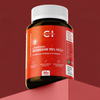
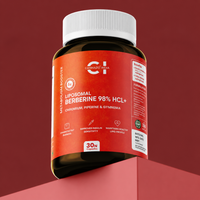
Diabetes has become one of India's defining health challenges. According to the ICMR-INDIAB study, an estimated 101 million people in India live with diabetes and another 136 million have prediabetes. With numbers this large, it is no surprise that many people search for natural supplements for diabetes to support their blood sugar alongside conventional treatment. This guide explains what the evidence actually shows, which Ayurvedic herbs are commonly used, where CBD fits in, and how to choose a product safely in India. Important: Supplements are intended to support, not replace, medical care. Diabetes is a serious condition, and any changes to your regimen should be made with your doctor. What are natural supplements for diabetes? Natural supplements for diabetes are non-prescription products, usually made from herbs, plant extracts, vitamins, or minerals, that people take in the hope of supporting healthy blood sugar. They range from single-ingredient Ayurvedic herbs like bitter gourd to multi-ingredient formulas. They are not medicines that cure diabetes; rather, some may offer modest help with glucose control when combined with a healthy diet, physical activity, and prescribed treatment. Do natural supplements actually lower blood sugar? What the research says The honest answer is: some may help a little, and the evidence is mixed. A number of herbs have been studied in small clinical trials with encouraging but inconsistent results. Study sizes are often small, durations short, and product quality varies, which makes it hard to draw firm conclusions. This is why reputable health bodies stop short of recommending supplements as a treatment. The most reasonable way to view them is as a possible add-on for people already following medical advice, never as a substitute for it. It also helps to keep expectations realistic. Where trials do show a benefit, the improvement in fasting glucose or HbA1c is usually small compared with what medication, weight loss, and diet can achieve. Supplements may nudge your numbers in the right direction for some people, but they will not do the heavy lifting on their own. Because responses vary from person to person, the only reliable way to know whether a supplement is affecting your blood sugar is to monitor your glucose and review the results with your doctor. Top Ayurvedic supplements for sugar control Ayurveda has a long tradition of using specific herbs for what it describes as sugar imbalance. Several of these are now sold as standardised supplements in India. The most commonly used include: Gymnema (Gudmar) is often called the 'sugar destroyer' and is traditionally used to reduce sweet cravings and support insulin activity. Fenugreek (Methi) seeds are rich in soluble fibre, which can slow the absorption of sugar after meals. Bitter gourd (Karela) contains plant compounds thought to have an insulin-like action. Indian kino (Vijaysar) and jamun (Indian blackberry) seed powder are also popular in traditional formulas. Turmeric, valued for its anti-inflammatory curcumin, is increasingly studied for its role in insulin sensitivity. These herbs are widely available as Ayurvedic supplements for sugar, but 'traditional use' is not the same as proven effectiveness. Look for standardised, AYUSH-licensed products and treat any single herb as a supporting player, not a solution. Herbs for blood sugar: how each works The table below summarises the most common herbs for blood sugar, the proposed mechanism, and how strong the evidence currently is. Evidence levels are general guides, not medical endorsements. Herb How it may help Evidence level Gymnema (Gudmar) May reduce sugar absorption and support insulin activity Moderate; small clinical trials Fenugreek (Methi) Soluble fibre slows glucose absorption after meals Moderate; several trials and meta-analyses Bitter gourd (Karela) Contains compounds that mimic insulin-like action Mixed; results inconsistent Cinnamon May improve fasting glucose and insulin sensitivity Mixed; modest effects Indian kino (Vijaysar) Traditionally used to support glucose control Limited; mostly traditional use Turmeric (Curcumin) Anti-inflammatory; may aid insulin sensitivity Emerging; early trials CBD oil and diabetes: evidence and legal status in India CBD (cannabidiol) has attracted attention for many conditions, and some people ask whether cbd oil in india can help with diabetes. The current evidence is limited: there is no strong clinical proof that CBD lowers blood sugar, and it is not an approved diabetes treatment. Some early research explores CBD for nerve-related discomfort and inflammation, but this is not the same as managing glucose. Legal status: In India, CBD products are legal only when manufactured under a licence from the Ministry of AYUSH and sold as a proprietary Ayurvedic medicine. Legitimate products are typically derived from hemp leaves and stalks, and should carry third-party lab testing (a certificate of analysis). Products sold without AYUSH licensing, or derived from cannabis flowering tops, remain prohibited. Because quality and legality vary so widely, anyone considering CBD should buy only from licensed sources and consult a doctor first. Diabetes supplements available in India: what to look for If you decide to try diabetes supplements india offers many options, but quality is inconsistent. Use this checklist to reduce your risk: Check for a valid AYUSH licence number (for Ayurvedic products) or FSSAI registration (for nutraceuticals). Favour brands that publish third-party lab test results and clearly list ingredient amounts. Be wary of any product that promises to 'cure' diabetes or lets you stop your medication, as these are red flags. Avoid unlabelled or imported products with no verifiable source, and confirm the supplement does not interact with your current medication. Berberine: a well-studied option Among the individual compounds sold for blood sugar support, berberine has attracted some of the most interest. Research suggests it may help improve insulin sensitivity and lower fasting glucose, which is why it appears in many modern formulas. Even so, it works best as a complement to medical care, not a replacement for it. A limitation of plain berberine is that the body absorbs it poorly, so newer products use a liposomal form to improve uptake. Cannazo India's Liposomal Berberine is one of the best approach, pairing a well-researched compound with a delivery format designed for better absorption. As with any supplement, read the label, confirm it suits your health profile, and speak to your doctor first, because berberine can interact with several medications and add to their glucose-lowering effect. Safety, side effects and drug interactions The biggest safety issue with blood-sugar supplements is not that they do too little, but that they can occasionally do too much. Herbs such as gymnema and fenugreek may add to the effect of metformin, sulfonylureas, or insulin and push blood sugar too low, causing hypoglycaemia. Symptoms include shakiness, sweating, confusion, and dizziness. Other possible side effects include digestive upset and allergic reactions. Fenugreek is generally avoided in pregnancy. Anyone with kidney or liver conditions should be especially cautious. Always tell your doctor about every supplement you take so your medication and monitoring can be adjusted safely. Lifestyle: the foundation supplements build on No supplement works well in isolation. The strongest, best-proven tools for managing blood sugar are everyday habits. A diet built around whole grains, pulses, vegetables, and controlled portions has a far larger effect on glucose than any herb. Regular activity, even a brisk 30-minute walk most days, improves how your body uses insulin. Adequate sleep, stress management, and maintaining a healthy weight all matter too. If a supplement helps at all, it does so on top of these foundations, never instead of them. For many people, focusing energy and money on diet and movement delivers better results than any product on a shelf. How to choose a supplement Start by asking whether you need one at all: for many people, the biggest gains in blood sugar come from diet, weight management, sleep, and regular activity. If you and your doctor decide a supplement is worth trying, choose a single, well-studied ingredient from a licensed brand, start at a low dose, and track your blood sugar. Give it a defined trial period, review the results with your doctor, and stop if you see no benefit or any adverse effect. Conclusion Natural supplements for diabetes can play a modest supporting role for some people, but they are not a cure and cannot replace prescribed treatment, a balanced diet, and regular exercise. Ayurvedic herbs such as gymnema and fenugreek have the most supportive evidence, while CBD remains investigational and tightly regulated in India. If you are considering any supplement, choose AYUSH- or FSSAI-compliant products, monitor your blood sugar, and make the decision together with your doctor. Frequently asked questions Can natural supplements cure diabetes?No. There is no supplement that cures type 1 or type 2 diabetes. At best, some herbs and nutrients may offer modest support for blood sugar control alongside prescribed medication, diet, and exercise. Are diabetes supplements safe to take with metformin or insulin?Several blood-sugar herbs can add to the glucose-lowering effect of metformin or insulin and cause hypoglycaemia (low blood sugar). Never combine them without your doctor's guidance and blood-sugar monitoring. Is CBD oil a treatment for diabetes in India?No. CBD is not an approved diabetes treatment, and evidence that it lowers blood sugar is limited. In India it is legal only as an AYUSH-licensed Ayurvedic medicine, so quality and legality vary widely. Which herb is best for blood sugar?Gymnema and fenugreek have the most supportive research, but 'best' depends on your health profile. Choose AYUSH- or FSSAI-compliant products and confirm suitability with a physician. Do I still need my diabetes medication if I take supplements?Yes. Supplements are not a replacement for prescribed medication. Do not stop or reduce your medication without medical advice.
Read more


