















Anxiety

How to Manage Stress & Anxiety Naturally: Complete Guide
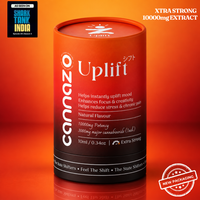
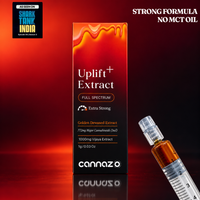
If your mind races the moment your head hits the pillow, or your chest tightens before a meeting you have handled a hundred times, you are not broken and you are not alone. Learning how to manage anxiety naturally is one of the most practical skills you can build, and the good news is that most of the tools cost nothing. This guide walks through what actually works, why it works, and how to turn a handful of small habits into steady, lasting calm. Anxiety is remarkably common. The World Health Organization estimates that roughly 4% of people worldwide live with an anxiety disorder, and in 2021 about 359 million people were affected, making it the single most common mental health condition on the planet. Add in the everyday stress that never quite reaches a diagnosis, and it is fair to say most of us are looking for ways to feel a little more grounded. What follows are simple, evidence-informed ways to reduce stress naturally and calm anxiety without leaning on medication as a first step. Understanding Stress and Anxiety Stress and anxiety are cousins, not twins. Stress is your body's response to a demand in front of you: a deadline, a difficult conversation, a bill that arrived early. It tends to fade once the pressure lifts. Anxiety lingers. It is the worry that keeps humming even when there is no immediate threat, the "what if" that loops long after the moment has passed. Both share the same biological engine. When your brain senses danger, it triggers a surge of cortisol and adrenaline, speeding your heart, tightening your muscles, and sharpening your focus. This fight-or-flight response saved our ancestors from real threats. The problem is that a traffic jam or an unread email can flip the same switch, and when that switch stays on for weeks, your body never fully returns to rest. Understanding this is the first step, because every natural technique below works by gently signaling to your nervous system that you are safe. Why Choose Natural Anxiety Relief? Medication has a genuine place in mental health care and can be life-changing for many people. But plenty of people want to calm anxiety without medication, or to pair professional treatment with habits they can control themselves. Natural approaches are appealing for a few reasons: they rarely carry side effects, they treat the whole system rather than a single symptom, and they build resilience that compounds over time. A daily walk does not just lower today's tension; it slowly rewires how your body handles stress tomorrow. Think of natural anxiety relief less as a single cure and more as a set of dials you can adjust. No one habit will silence anxiety completely, but stack three or four together and the effect is real and measurable.How to Manage Anxiety Naturally: Techniques That Work 1. Master Your Breathing Your breath is the only part of the nervous system you can consciously steer, which makes it the fastest tool you own. Slow, deep breathing activates the vagus nerve and shifts your body out of fight-or-flight and into rest-and-digest mode, lowering your heart rate within a minute or two.One of the most popular methods is the 4-7-8 technique: inhale quietly through your nose for four seconds, hold for seven, then exhale slowly through your mouth for eight. The long exhale is the active ingredient, so do not rush it. Repeat four cycles. If numbers feel fussy, simple belly breathing works too: place a hand on your stomach and make sure it rises more than your chest with each breath. Two minutes is often enough to take the edge off a spike of anxiety. 2. Move Your Body Exercise is one of the most well-supported, non-medication tools for anxiety, full stop. Physical activity burns off excess stress hormones, releases mood-lifting endorphins, and improves the sleep that anxiety so often steals. You do not need a gym membership or a punishing routine. Aim for about 30 minutes of moderate movement most days, and know that even a brisk 10-minute walk measurably lowers tension. The best exercise for anxiety is the one you will actually repeat. Walking, cycling, swimming, dancing in your kitchen, gardening, yoga: all of them count. Rhythmic, repetitive movement outdoors is especially calming because it combines physical activity with fresh air and natural light. 3. Protect Your Sleep Sleep and anxiety feed each other in a frustrating loop: worry keeps you awake, and poor sleep makes you more anxious the next day. Even a few nights of mild sleep loss can noticeably worsen symptoms and increase the odds of panic-like episodes. Breaking the cycle is one of the highest-leverage stress management tips there is. A few habits that genuinely move the needle: Keep a consistent schedule. Go to bed and wake up at roughly the same time every day, weekends included, to steady your internal clock. Dim the screens. Blue light from phones and laptops suppresses melatonin, so power down at least an hour before bed. Cool and dark wins. A slightly cool, dark, quiet room signals your body that it is safe to switch off. Park your worries. If your mind spins at night, keep a notepad by the bed and write tomorrow's concerns down so your brain can let them go. 4. Practice Mindfulness and Meditation Mindfulness has one of the strongest evidence bases of any natural intervention for anxiety. At its core it simply means paying attention to the present moment without judging it. Anxiety lives in the future, in rehearsing disasters that have not happened. Mindfulness gently pulls you back to right now, where you are usually fine. You do not need incense or an hour of silence to start. Set a timer for five minutes, close your eyes, and follow your breath. When your mind wanders, and it will, notice it without frustration and return to the breath. That return is the entire exercise. Guided apps can help at first, but even a few minutes a day builds a noticeable buffer against stress over a few weeks. 5. Eat to Support a Calmer Mind What you eat shapes how you feel more than most people realize. Blood sugar that swings wildly can mimic and magnify anxiety, so steady, balanced meals matter. Favor whole foods: vegetables, fruit, whole grains, lean protein, and healthy fats. Foods rich in magnesium (leafy greens, nuts, seeds), omega-3s (salmon, walnuts, flaxseed), and probiotics (yogurt, fermented foods) all support the gut-brain connection that influences mood.Just as important is what you cut back on. Highly processed, sugary foods spike and crash your energy, leaving you jittery. Staying hydrated matters too; even mild dehydration can worsen fatigue and irritability. 6. Avoid Too Much Caffeine and Alcohol Two of the most common self-soothing habits quietly make anxiety worse. Caffeine is a stimulant that raises heart rate and can trigger the exact physical sensations, racing pulse, jitteriness, that feel like anxiety, sometimes hours after your last cup. If you are anxiety-prone, try capping caffeine at one or two servings before noon and see how you feel. Alcohol is trickier because it feels calming at first. But it disrupts sleep and often produces a rebound spike of anxiety the next day, sometimes called "hangxiety." You do not have to quit entirely, but noticing the connection between a few drinks and a rough next morning is often enough to shift the pattern. 7. Spend Time in Nature and Sunlight Time outdoors is an underrated form of natural anxiety relief. Sunlight helps regulate your body clock and boosts serotonin, a neurotransmitter tied to calm and well-being. Green space lowers cortisol and blood pressure; studies on "forest bathing" show measurable drops in stress from simply walking among trees. Aim for a little daylight early in the day, ideally within an hour of waking, and treat a walk in the park as a genuine part of your routine rather than a luxury. 8. Write It Down Journaling gets anxious thoughts out of the endless loop in your head and onto a page where you can actually look at them. Worries often feel enormous until they are named, at which point they usually shrink. Try a few minutes each evening jotting down what is weighing on you, or start a gratitude list of three good things from the day. Naming what you are grateful for gently retrains your attention away from threat and toward what is going right. 9. Explore CBD Oil for Anxiety One natural option drawing growing interest is CBD oil. Short for cannabidiol, CBD is a compound extracted from the hemp plant, and unlike THC it does not make you feel high. Early research is cautiously encouraging: neuroimaging studies and small clinical trials suggest CBD may have a calming effect on the brain regions tied to stress, and many people using CBD oil for anxiety report a steadier mood, better sleep, and a greater sense of calm. The science is still young and results are mixed, so it is best viewed as a supportive tool alongside the habits above rather than a guaranteed cure. If you are in India, it helps to understand where CBD oil in India stands legally. This sits under the broader umbrella of medical cannabis, which India has allowed for therapeutic use since 2018. Recreational cannabis remains illegal, so always buy from a licensed, lab-tested brand, check the certificate of analysis, and ideally use CBD oil under a doctor's guidance, especially if you take other medication. If you decide to try it, start low and go slow. Begin with a small dose, give it two to three weeks, and pay attention to how your body responds before adjusting. Other gentle options like chamomile tea, magnesium, or L-theanine can help too, but the same rule applies: natural does not automatically mean safe, so check with a doctor or pharmacist before adding anything new. Building a Daily Routine to Reduce Stress Naturally Knowing ten techniques is useless if you never do any of them. The secret is not willpower; it is stacking small habits onto things you already do. Start with two, not ten. You might attach two minutes of breathing to your morning coffee, take a 15-minute walk after lunch, and spend five minutes journaling before bed. That is it. Once those feel automatic, add one more. A realistic day might look like this: step outside for a few minutes of morning light, move your body at some point, keep caffeine early and modest, pause for a couple of slow-breathing resets when tension rises, and wind down screen-free before a consistent bedtime. None of it is dramatic. That is the point. Managing anxiety naturally is less about a single heroic effort and more about a dozen small, boring choices that quietly add up.Be patient with yourself. These changes work on the timescale of weeks, not minutes. Some days will be harder than others, and a setback is not a failure; it is just a data point. Consistency, not perfection, is what rewires your stress response over time. When to Seek Professional Help Natural strategies are powerful, but they are not a substitute for care when anxiety takes over your life. Reach out to a doctor or mental health professional if your worry is constant, if it interferes with work, relationships, or sleep for weeks at a time, if you experience frequent panic attacks, or if you find yourself avoiding things you used to handle easily. Therapies like cognitive behavioral therapy (CBT) are highly effective, and combining professional support with the habits in this guide often works better than either alone. If you ever have thoughts of harming yourself, please treat that as urgent and reach out to a crisis line or emergency services right away. Asking for help is a sign of strength, not weakness, and effective support is available. Conclusion Learning how to manage anxiety naturally is not about finding one magic fix; it is about stacking small, steady habits that quietly retrain your nervous system. Breathe deliberately, move your body, protect your sleep, eat well, and lean on the people around you. Newer options like CBD oil can offer gentle, supportive relief when chosen carefully and, where relevant, used within India's legal framework for medical cannabis. Start with one or two changes this week, stay consistent, and give it time. Frequently Asked Questions How can I calm anxiety quickly without medication?Breathe slowly with a long exhale, such as the 4-7-8 method. It lowers your heart rate within a minute or two. Grounding your senses in the present moment helps too. What is the best natural remedy for anxiety?There is no single winner. Regular exercise, good sleep, and a daily breathing or mindfulness practice have the strongest evidence. Combining a few works best. Is CBD oil good for anxiety?Early research suggests CBD oil for anxiety may have a calming effect, and many users report better mood and sleep. The evidence is still limited, so use it as a supportive aid and choose a licensed, low-THC product. Is CBD oil legal in India?Yes, CBD oil can be legal in India when it is made from permitted cannabis plant parts, meets applicable THC limits, and is manufactured under the required Ministry of Ayush licence. Products made from prohibited cannabis parts or sold without the required approvals may be illegal. How long does natural anxiety relief take to work?Breathing helps in minutes. Exercise, sleep, and mindfulness build their benefit over two to four weeks. Consistency matters more than perfection. Does caffeine make anxiety worse?For many people, yes. It is a stimulant that can mimic anxiety symptoms. Try limiting it to the morning and one or two servings a day.
Read more


