











Table of Contents
Medical hemp called Vijaya in Ayurvedic texts is a therapeutic cannabis plant rich in CBD, THC, and terpenes. In India, it is legally available as a licensed Ayurvedic medicine. It is used to manage chronic pain, anxiety, epilepsy, neurological disorders, and cancer-related symptoms. It works by interacting with the body's endocannabinoid system (ECS).
Medical hemp is not a supplement trend it is a clinically studied plant used across oncology, neurology, and pain management. If you've searched "what is hemp used for medically" or "hemp medicine India," this guide gives you a complete, factual answer.
What Is Medical Hemp?
Medical hemp is Cannabis sativa L. cultivated and processed for therapeutic use. Unlike recreational cannabis, medical hemp is standardized for specific ratios of its active compounds primarily cannabidiol (CBD) and tetrahydrocannabinol (THC) to achieve consistent clinical effects.
In India, medical hemp is recognized under the name Vijaya in classical Ayurvedic texts including the Charaka Samhita and Sushruta Samhita. Today, it is legally manufactured and sold as an Ayurvedic proprietary medicine by AYUSH-licensed companies.
What Is the Endocannabinoid System (ECS)?
The endocannabinoid system is a cell-signaling network present throughout the human body in the brain, immune system, gut, and peripheral nerves. It regulates pain perception, mood, sleep, inflammation, and appetite.
The ECS has two primary receptors:
- CB1 receptors:- concentrated in the brain and central nervous system
- CB2 receptors:- concentrated in immune tissues and peripheral organs
Cannabinoids from medical hemp mimic the body's own endocannabinoids (like anandamide), binding to these receptors to produce therapeutic effects.
Key Compounds in Medical Hemp
Cannabidiol (CBD)
CBD is non-psychoactive; it does not produce a "high." It is the most researched cannabinoid for therapeutic use. Evidence-backed applications include:
- Reduction of seizure frequency (FDA-approved as Epidiolex for epilepsy)
- Anxiolytic effects via serotonin (5-HT1A) receptor interaction
- Anti-inflammatory action via inhibition of COX-2 enzymes
- Neuroprotection in Alzheimer's and Parkinson's models
Tetrahydrocannabinol (THC)
THC is psychoactive at higher doses but medicinal at controlled, low doses. It acts directly on CB1 receptors to deliver:
- Analgesic (pain-relieving) effects for chronic and cancer pain
- Antiemetic action suppresses nausea via the dorsal vagus nerve
- Appetite stimulation in cachexia and chemotherapy patients
- Muscle relaxation in spasticity conditions
Terpenes
Terpenes are aromatic compounds that give each hemp strain its scent and contribute to its therapeutic profile. Key terpenes in medical hemp include:
| Terpene | Aroma | Reported Effect |
| Myrcene | Earthy, musky | Sedative, anti-inflammatory |
| Limonene | Citrus | Anxiolytic, antidepressant |
| Linalool | Floral (lavender) | Calming, anticonvulsant |
| Beta-caryophyllene | Spicy, peppery | Anti-inflammatory (CB2 agonist) |
| Pinene | Pine | Alertness, bronchodilator |
What Is Medical Hemp Used For? Condition-by-Condition Breakdown
Chronic Pain & Arthritis
Cannabinoids reduce pain through multiple pathways: CB1 receptor activation reduces pain signal transmission in the spinal cord; CBD inhibits inflammatory cytokines. A 2018 review in Frontiers in Pharmacology found cannabis-based medicines effective for neuropathic and chronic pain with an acceptable safety profile.
Neurological Disorders
- Epilepsy: CBD is the most clinically validated cannabinoid for seizure reduction. A landmark 2017 New England Journal of Medicine trial showed CBD reduced seizures by 39% in Dravet syndrome patients.
- Parkinson's Disease: Preliminary studies suggest CBD may reduce tremors, rigidity, and REM sleep behavior disorder in Parkinson's patients.
- Alzheimer's Disease: Cannabinoids may slow neuroinflammation, a key driver of amyloid plaque formation though human trials remain in early stages.
Anxiety & Depression
CBD interacts with serotonin 5-HT1A receptors the same target as SSRIs. A 2019 study in The Permanente Journal found 79% of patients with anxiety showed improvement within one month of CBD use.
Cancer-Related Symptoms
Medical hemp is widely used in oncology supportive care to:
- Reduce chemotherapy-induced nausea and vomiting
- Manage cancer pain when opioids are insufficient
- Stimulate appetite in patients with cachexia
Sleep Disorders
THC reduces sleep latency (time to fall asleep); CBD may improve sleep quality by reducing anxiety. Low-dose CBD+THC combinations are used for insomnia management.
Metabolic & Inflammatory Conditions
Emerging research links ECS regulation to insulin sensitivity and metabolic function. CBD's anti-inflammatory properties have been studied for conditions including asthma, inflammatory bowel disease, and Type 2 diabetes management.
Is Medical Hemp Legal in India?
Yes, under specific conditions. Under the NDPS Act 1985, cannabis leaves and seeds are not classified as "narcotic drugs." Medical hemp derived from cannabis leaves (Vijaya leaf extract) is legally manufactured and sold as an Ayurvedic proprietary medicine when licensed by state AYUSH departments.
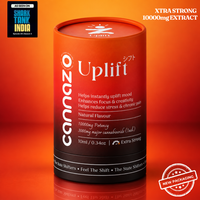
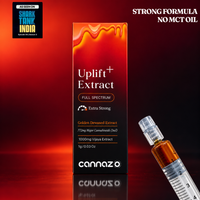
Cannazo India operates under a valid AYUSH license (Manufacturing Lic: MP/25D/21/933) and is GMP-certified. Products are available on prescription through licensed Ayurvedic practitioners.
Note: The resin and flowers of cannabis remain controlled under the NDPS Act. Only leaf-derived preparations are legally available without a narcotic license.
CBD vs. THC: Which One Do You Need?
| CBD | THC | |
| Psychoactive? | No | Yes (dose-dependent) |
| Best for | Anxiety, epilepsy, inflammation | Pain, nausea, sleep, appetite |
| Legal in India? | Yes (leaf-derived) |
Yes (licensed Ayurvedic products) |
| Prescription needed? | Varies by product | Recommended |
Most medical hemp products use ratios of CBD to THC for example, 2:1 (CBD dominant) for anxiety/daytime use, or 1:1 for pain management. The right ratio depends on the condition and individual response.
How to Use Medical Hemp Safely
Start low, go slow:- begin with the lowest effective dose
Consult a qualified practitioner:- especially if on other medications (CBD inhibits CYP450 enzymes, affecting drug metabolism)
Choose licensed products:- verify AYUSH/GMP certification
Track your response:- keep a symptom and dose log for the first 4 weeks
Avoid during pregnancy:- insufficient safety data exists for use during pregnancy or breastfeeding
Conclusion:-
Medical hemp (Vijaya) is one of the most pharmacologically complex plants in therapeutic use. It is not a cure-all, but the evidence for its role in pain management, epilepsy, anxiety, and oncology supportive care is substantial and growing. In India, it is legally accessible through licensed Ayurvedic products making it more available than most people realize.
References:-
- Russo, E.B. (2011). Taming THC. British Journal of Pharmacology, 163(7), 1344–1364.
- Devinsky, O. et al. (2017). Trial of Cannabidiol for Drug-Resistant Seizures. NEJM, 376, 2011–2020.
- Shannon, S. et al. (2019). Cannabidiol in Anxiety and Sleep. The Permanente Journal, 23.
- Aviram, J. & Samuelly-Leichtag, G. (2017). Efficacy of Cannabis-Based Medicines for Pain Management. Frontiers in Pharmacology, 8.
Frequently Asked Questions
Q: What is medical hemp used for medically?
A: Medical hemp is used to manage chronic pain, anxiety, epilepsy, cancer-related nausea, sleep disorders, Parkinson's symptoms, and neuroinflammation. Its primary active compounds CBD and THC interact with the endocannabinoid system to produce therapeutic effects.
Q: What is Vijaya in Ayurveda?
A: Vijaya is the Sanskrit name for cannabis (Cannabis sativa L.) used in classical Ayurvedic medicine. It appears in texts including the Charaka Samhita and is classified as a medicinal herb for pain, anxiety, and neurological conditions. In modern India, Vijaya leaf extract is legally available as an Ayurvedic proprietary medicine.
Q: Is hemp medicine legal in India?
A: Yes. Medical hemp derived from cannabis leaves (Vijaya leaf extract) is legal in India when manufactured by an AYUSH-licensed company. It is sold as an Ayurvedic medicine. Cannabis resin and flowers remain controlled under the NDPS Act 1985.
Q: What is the difference between hemp and medical cannabis?
A: "Hemp" typically refers to low-THC cannabis (below 0.3% THC), used for fiber, seed, and CBD extraction. "Medical cannabis" is a broader term covering cannabis preparations including higher-THC products used for therapeutic purposes. In the Indian context, both are referred to under the umbrella of "Vijaya" when used medicinally.
Q: What are cannabinoids and terpenes?
A: Cannabinoids are active chemical compounds in cannabis (CBD, THC, CBG, CBC, etc.) that interact with the body's endocannabinoid system. Terpenes are aromatic compounds that give cannabis its scent and contribute to its effects by working synergistically with cannabinoids a mechanism called the entourage effect.


Comments
The opinions expressed here are the views of the writer and do not necessarily reflect the views and opinions of Cannazo India.