











Table of Contents
CBD oil has moved from a niche wellness topic to one of India’s most searched plant-based wellness products. It contains cannabidiol (CBD), a non-intoxicating compound found in the cannabis plant. Unlike THC, CBD does not produce the “high” associated with marijuana, which is why many Indians are exploring it for calm, sleep, recovery and everyday balance.
The strongest medical evidence is for a purified prescription CBD medicine used in certain rare seizure disorders, while evidence for anxiety, sleep and pain is promising but still developing.
The safest approach in India is to choose a licensed, lab-tested product, use it under medical guidance, and avoid exaggerated claims.
What Is CBD Oil?
CBD oil is usually a cannabis-derived extract mixed with a carrier oil such as MCT, hemp seed or sesame oil [1]. Cannabis contains more than 100 cannabinoids, including CBD and THC; THC is primarily responsible for intoxicating effects, whereas CBD is non-psychoactive.
CBD oils commonly fall into three categories:
- Full-spectrum: CBD plus other plant compounds, which may include a small amount of THC.
- Broad-spectrum: CBD and other plant compounds, with THC removed.
- CBD isolate: CBD alone, with other cannabinoids removed.
In India, many wellness products are described as Vijaya leaf extracts and may be CBD-rich, full-spectrum, or contain both CBD and THC. This makes label clarity especially important: two bottles of similar size can differ greatly in CBD content, THC content and recommended serving size.
Why CBD Is Popular in India
India has a long cultural and Ayurvedic association with Vijaya (cannabis), and modern consumers are now looking for plant-based options to support stress, sleep and physical comfort. The current market includes oral drops, capsules, gummies, sprays and topical roll-ons, with brands offering CBD-rich and full-spectrum formulations.
The appeal is understandable. Many people want a natural-feeling addition to their wellness routine, particularly for the pressures of long work hours, poor sleep, physical strain and busy urban life.
Potential Benefits: What Research Supports
Seizure disorders
The clearest evidence for CBD is in epilepsy. In the United States, the FDA has approved Epidiolex, a purified prescription CBD medicine, for seizures associated with Lennox-Gastaut syndrome and Dravet syndrome, two rare and severe forms of epilepsy.
This is important for Indian readers because it shows that CBD has genuine medical potential.
Do not stop or replace anti-epileptic medication with an over-the-counter CBD product without specialist supervision.
Anxiety and stress
CBD is widely used for calm and stress support. Early human research is encouraging: one small study found that people with social anxiety disorder reported less anxiety during a simulated public-speaking test after taking CBD than after placebo.
A more recent case report also described improvement in social anxiety and panic symptoms with a full-spectrum medical cannabis leaf-extract tincture.
How CBD may support calm: CBD interacts with the body’s endocannabinoid system, which helps regulate mood, stress responses and physiological balance. Research discussions suggest CBD may influence serotonin 5-HT1A receptor activity, affect anandamide signalling, and modulate GABA-related pathways associated with relaxation. These mechanisms may help explain why people perceive CBD as calming.
Clinical research and reviews have examined oral CBD across a broad dose range, including 25 mg to 800 mg, for anxiety-related concerns such as social anxiety, generalised anxiety, panic and PTSD. Some research describes a bell-shaped response, where moderate doses may be more helpful than very low or very high doses. This is why self-dosing large amounts is not advisable; a clinician can help match the product, strength and serving to the individual.
Sleep
Sleep is one of the most common reasons Indians try CBD oil. Research suggests cannabinoids may improve sleep quality, reduce sleep disturbances or shorten time to fall asleep in some groups, but it is often unclear whether sleep improved directly from CBD or because underlying symptoms such as pain or anxiety improved.
A large four-week observational study of 1,793 adults with sleep difficulties reported clinically meaningful improvements in many participants, but it lacked a placebo group. That means expectation, routine changes and product differences could have contributed. The view is that CBD support sleep for people.
Pain and recovery
CBD is often used for joint discomfort, muscle soreness and recovery. Evidence for cannabis or cannabinoids in chronic pain shows a small benefit, but much of the research involves products containing THC or combination cannabinoid medicines rather than CBD oil alone. In one review of 47 studies, 29% of people using cannabis or cannabinoids achieved at least a 30% reduction in pain, compared with 26% on placebo—a difference that may be too small to be clinically meaningful for everyone.
Topical CBD products are popular because they are applied locally to muscles and joints. They may be a sensible option for people who prefer to avoid oral products, but evidence for topical CBD specifically is still limited.
Other uses
People also use CBD oil for mood balance, focus, post-workout recovery and general wellness. Some evidence exists for cannabinoid medicines in multiple sclerosis symptoms and chemotherapy-related nausea, but those findings generally relate to THC-containing or synthetic cannabinoid drugs, not CBD oil alone.
Forms and How People Use CBD Oil
In India, CBD oil is available in several formats:
- Sublingual drops: Held under the tongue for faster absorption than swallowing.
- Capsules and tablets: Convenient and easy to measure, but slower to act.
- Gummies and edibles: Tasty and portable, though absorption and onset can vary.
- Topical sprays and roll-ons: Applied to targeted areas such as joints or muscles.
- Full-spectrum oils: Contain CBD plus other cannabis compounds, sometimes including THC.
There is no universally agreed wellness dose. Studies have used very different amounts—from 15 mg daily in a sleep study to 600 mg daily in a blood-pressure study so copying a dose from online content can be misleading. Start only with professional guidance, read the CBD amount per drop or milliliter, and keep a simple note of the product, amount, timing and effects.
Side Effects and Safety
CBD is often well tolerated in studies, but “well tolerated” does not mean risk-free. Commonly reported effects include drowsiness, diarrhoea, reduced appetite, dry mouth, irritability and changes in alertness or mood.
Liver health
CBD can affect liver enzymes and has been associated with liver injury in some settings. In trials of prescription CBD, elevated liver enzymes were an important safety concern, particularly when CBD was combined with certain epilepsy medicines. Anyone with liver disease, regular alcohol use, or long-term medication should consult a doctor before using CBD oil.
Medicine interactions
CBD can change how other medicines are processed by the body. This is particularly relevant for epilepsy medicines such as clobazam and sodium valproate, as well as sedatives, sleep medicines and alcohol. Combining CBD with alcohol or drugs that slow brain activity may increase drowsiness and accident risk.
Who should be cautious
Speak to a doctor before using CBD if you:
- Are pregnant, breastfeeding or planning pregnancy.
- Are considering it for a child or teenager.
- Have liver disease or abnormal liver tests.
- Take prescription medicines, especially seizure, blood-thinning, sedative or psychiatric medicines.
- Have a history of substance-use concerns or significant mental-health conditions.
The effects of CBD on developing babies, breastfed infants and children’s developing brains are not fully known, so medical supervision is essential.
Is CBD Oil Legal in India?
India does not have one simple nationwide “CBD legalisation” law. The legal position depends largely on the part of the cannabis plant used and the product category.
Under the Narcotic Drugs and Psychotropic Substances Act, 1985, “cannabis (hemp)” includes charas (resin) and ganja, the flowering or fruiting tops but excludes seeds and leaves when they are not accompanied by the flowering tops. This is why many Indian CBD products are positioned as cannabis leaf-derived or Vijaya leaf extract products.
In practice:
Leaf-derived extracts are commonly sold under Ayurvedic or AYUSH manufacturing and marketing licences.
Hemp seed-based foods fall under FSSAI rules, which include limits on CBD content in certain hemp-seed food products.
THC content, state rules and product classification matter, so legality is not identical for every product or every state.
How to Choose a Good CBD Oil in India
A positive CBD experience starts with product quality. Because CBD products can vary in strength and may contain contaminants or inaccurate label claims, choose carefully.
Look for:
- A clear AYUSH/FSSAI licence appropriate to the product category.
- Batch-specific third-party lab testing for CBD, THC, pesticides, heavy metals and microbial contamination.
- Transparent CBD and THC values in mg per mL or mg per drop.
- Realistic claims—avoid products claiming to cure cancer, diabetes or other major diseases.
- Medical guidance, especially if you take regular medicines or have a chronic condition.
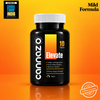
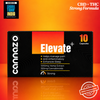
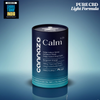
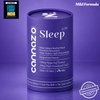
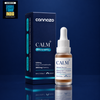
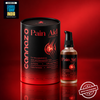
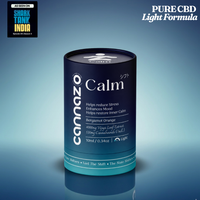
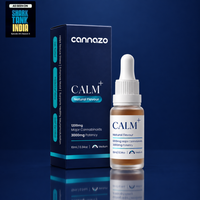
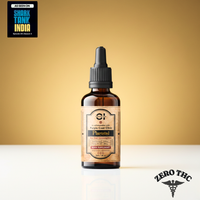
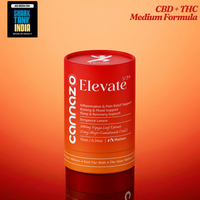
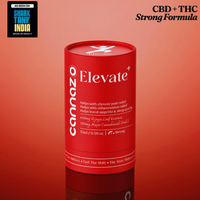
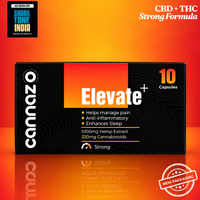
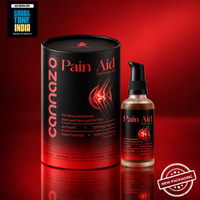
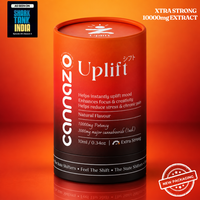
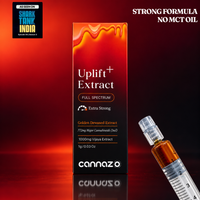
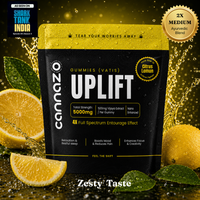
Indian brands such as Cannazo India position their products as AYUSH-licensed and lab-tested, and offer CBD-rich drops, full-spectrum oils, topicals and gummies. Their range includes CBD-rich options such as Vijaya Amrit, as well as THC-containing full-spectrum formulations for pain and sleep support. Whatever brand you choose, verify the licence and batch report rather than relying only on marketing claims.
Conclusion
If you and your doctor decide CBD oil is worth trying, begin with a low serving of a clearly labelled, licensed product. Use it consistently for a defined period, monitor sleep, mood, pain, digestion and any drowsiness, and review the results with a healthcare professional.
References
- Cannazo India. (2026). CBD oil India: Buy AYUSH licensed & lab-tested CBD products. https://cannazoindia.com/
- National Center for Complementary and Integrative Health. (2024). Cannabis (marijuana) and cannabinoids: What you need to know. U.S. Department of Health and Human Services, National Institutes of Health. https://www.nccih.nih.gov/health/cannabis-marijuana-and-cannabinoids-what-you-need-to-know
- U.S. Food and Drug Administration. (2025). What you need to know (and what we’re working to find out) about products containing cannabis or cannabis-derived compounds, including CBD. https://www.fda.gov/consumers/consumer-updates/what-you-need-know-and-what-were-working-find-out-about-products-containing-cannabis-or-cannabis
- Narcotics Control Bureau, Government of India. (1985). The Narcotic Drugs and Psychotropic Substances Act, 1985. https://narcoticsindia.nic.in/legislation/ndpsact.pdf
- Food Safety and Standards Authority of India. (2023). Food Safety and Standards (Food Products Standards and Food Additives) Regulations: Hemp seeds and seed products. https://mail.fssai.gov.in/upload/uploadfiles/files/17_%20Chapter%202_16%20(Hemp%20seeds%20and%20seed%20products).pdf
Frequently asked questions about CBD oil benefits
-
What are the main benefits of CBD oil?
The best-proven benefit belongs to a prescription drug, not wellness oil: purified CBD (Epidiolex) is FDA approved for seizures in three rare conditions. For anxiety, sleep, pain and blood pressure, human studies are small, short or mixed, so CBD oil may help some people but this has not been proven. -
What are the uses of CBD oil?
People use CBD oil under the tongue, in capsules, in edibles and on the skin, mostly for sleep, stress and pain. The evidence for these uses is limited, and a dose that suits one form or one person may not suit another, so get a doctor's advice first. -
What are the side effects of CBD oil?
The most common are drowsiness, diarrhoea, reduced appetite, and irritability or agitation. CBD can also raise liver enzymes and change how other medicines work. Tell your doctor before starting, especially if you take epilepsy medicines or sedatives, or drink alcohol. -
Can CBD oil harm the liver?
It can. The FDA says CBD can cause liver injury, which is identified through blood tests. If you have liver problems or take other medicines, speak to a doctor before using CBD oil and ask whether liver tests are needed. -
Is CBD oil legal in India?
There is no single CBD law. The NDPS Act treats cannabis resin and flowering tops as narcotics but leaves out seeds and leaves when they are not with the tops (NDPS). Leaf-derived oils are generally sold as licensed Ayurvedic products. Check the licence on the label and speak to your doctor. -
Does CBD oil get you high?
CBD is not the compound that causes the high. THC is Some CBD oils do contain THC, and NIH notes that labels can be inaccurate , so check the THC amount on the product's batch test report. -
Is it safe to take CBD oil every day?
Nobody knows for sure. The FDA lists the effects of daily use over weeks or months as an open question. If you take it daily, do so under a doctor's guidance and review it regularly. -
Can children or pregnant women use CBD oil?
Only Epidiolex has been approved, for seizures, under medical care. The FDA says the effects of CBD on a developing baby, a breastfed newborn and a child's developing brain are not known, so speak to a doctor before use. -
How do I choose a CBD oil in India?
Look for a licence number for the product's category, a batch-specific lab report showing CBD, THC and contaminants, a clear mg strength, and no claims to cure serious disease. Speak to a doctor before buying, especially if you take other medicines.


Comments
The opinions expressed here are the views of the writer and do not necessarily reflect the views and opinions of Cannazo India.